Vermicelli Noodles VS Rice Soup
A detailed nutritional comparison
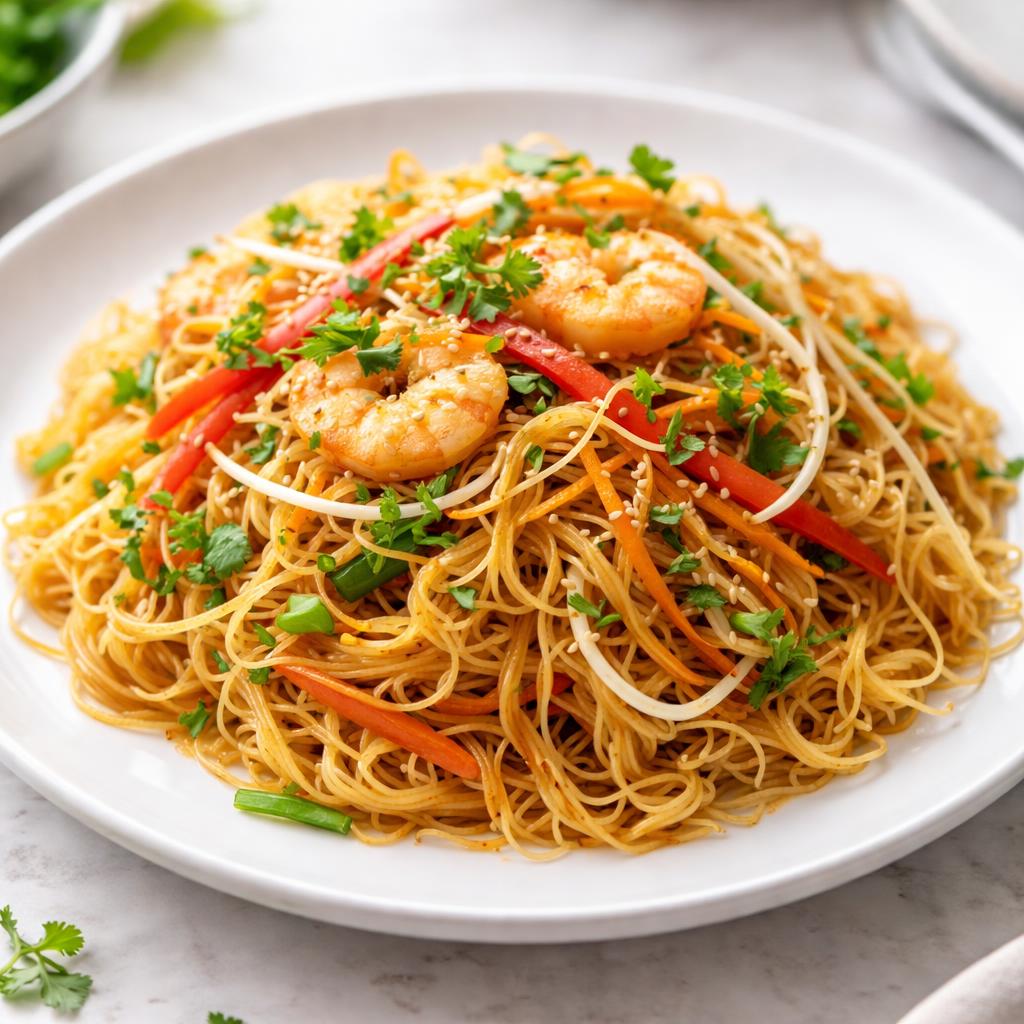
Vermicelli Noodles
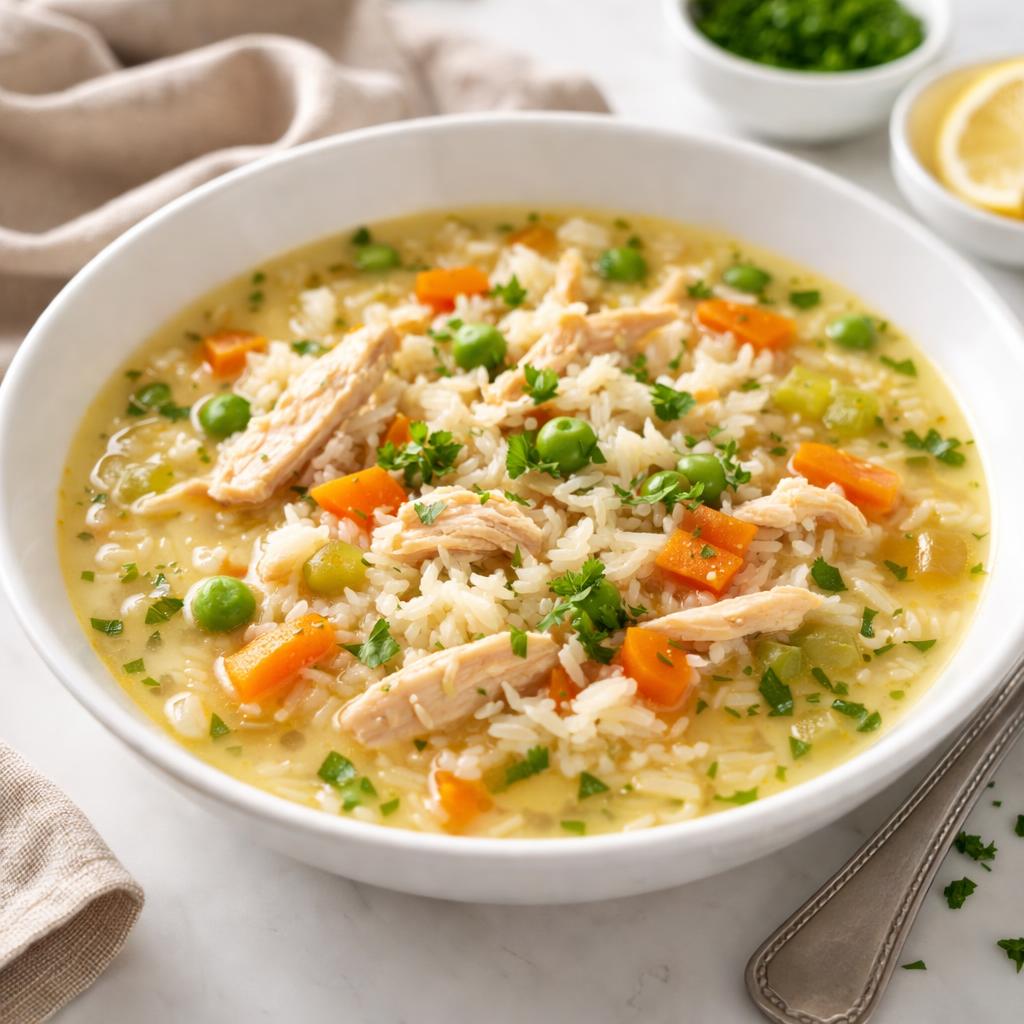
Rice Soup
🎯 Quick Verdict
Vermicelli noodles are higher in protein, lower in fat, and provide more overall nutritional density than rice soup. However, rice soup is lower in calories and can be better for weight management. Vermicelli works well for high-energy or post-workout meals, while rice soup is a great option for light, hydrating meals focused on recovery or digestion support.

Smart Nutrition Tracking with SnapCalorie

📊 Nutritional Comparison
Macronutrients
| Nutrient | Food 1 | Food 2 | Winner |
|---|---|---|---|
| Calories | 210 | 70 | ✓ |
| Protein | 6g | 2g | ✓ |
| Carbs | 42g | 14g | ✓ |
| Fat | 0.8g | 0.5g | ✓ |
| Fiber | 2g | 2g | − |
Vitamins & Minerals
| Nutrient | Food 1 | Food 2 | Winner |
|---|---|---|---|
| Vitamin D | 0mcg | 0mcg | − |
| Calcium | 12mg | 10mg | ✓ |
| Iron | 0.3mg | 0.1mg | ✓ |
🏆 Category Winners
Protein
Food1 has 3 times more protein per serving.
Fiber
Both contain equal amounts of fiber (2g per serving).
Calories
Food2 contains approximately 66% fewer calories.
Vitamins
Food1 has slightly more calcium and iron.
🥗 Diet Compatibility
Keto
Food 1: Not Compatible
Food 2: Not Compatible
Both are high-carb foods.
Vegan
Food 1: Compatible
Food 2: Compatible
Both are plant-based.
Gluten Free
Food 1: Depends on brand
Food 2: Compatible
Rice soup is inherently gluten-free; vermicelli noodles may contain gluten unless made from rice.
Paleo
Food 1: Not Compatible
Food 2: Compatible
Rice soup fits paleo guidelines, while vermicelli noodles often include refined grains.
Low Carb
Food 1: Not Compatible
Food 2: Compatible
Rice soup offers a much lower carb profile compared to vermicelli noodles.
💪 Health Benefits Comparison
Food 1 Benefits
- Higher in protein, supporting muscle recovery
- Good carb source for energy replenishment
- Low fat, suitable for low-fat diets
Food 2 Benefits
- Lower calorie option for weight management
- Hydrating and easy to digest
- Light source of carbs for sustained energy
✅ The Bottom Line
Choose vermicelli noodles for more protein and energy if you're looking for a post-workout meal or need a higher-calorie, nutrient-dense option. Rice soup is a better choice for a light, hydrating, low-calorie meal ideal for weight loss or gentle recovery days.
Choose Food 1 for: High-protein diets, post-workout meals, energy replenishment
Choose Food 2 for: Weight management, digestive health, light meals


