Vermicelli Noodles VS Light Bread
A detailed nutritional comparison
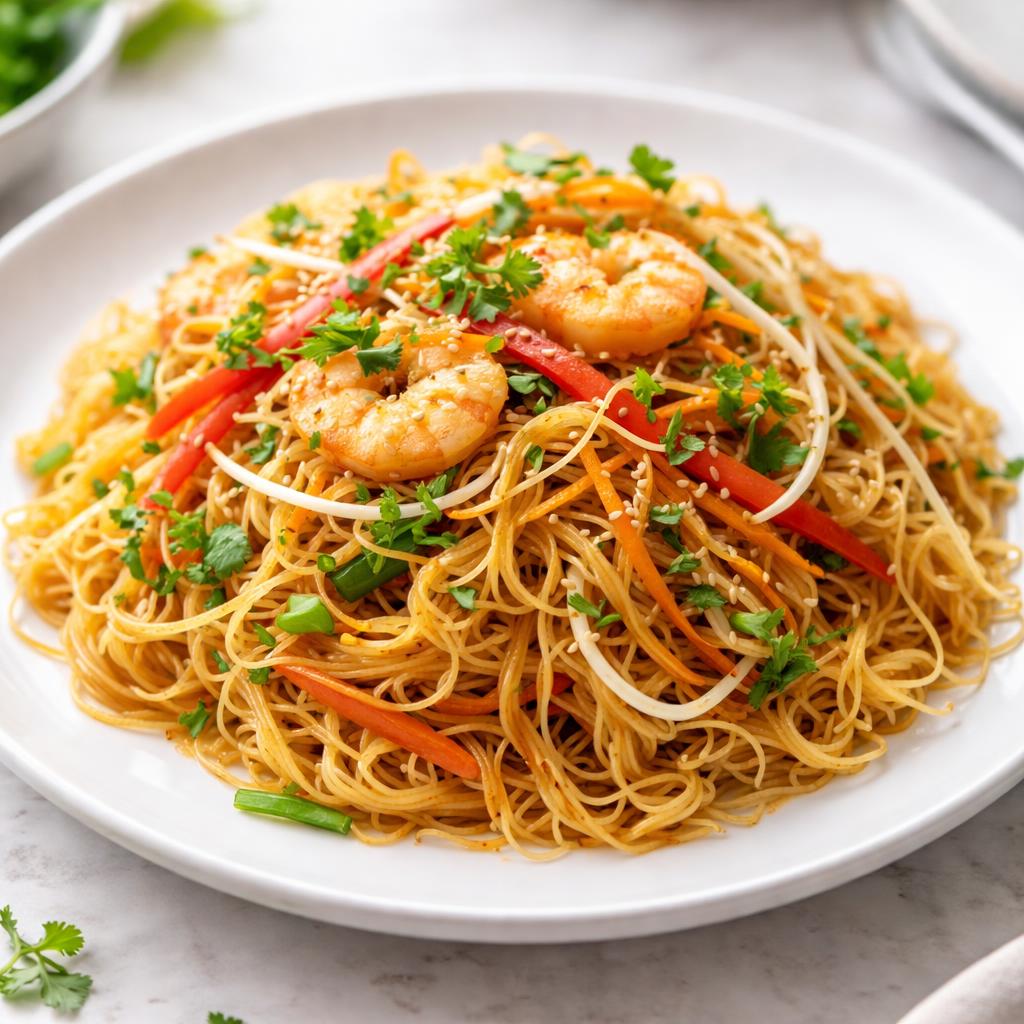
Vermicelli Noodles
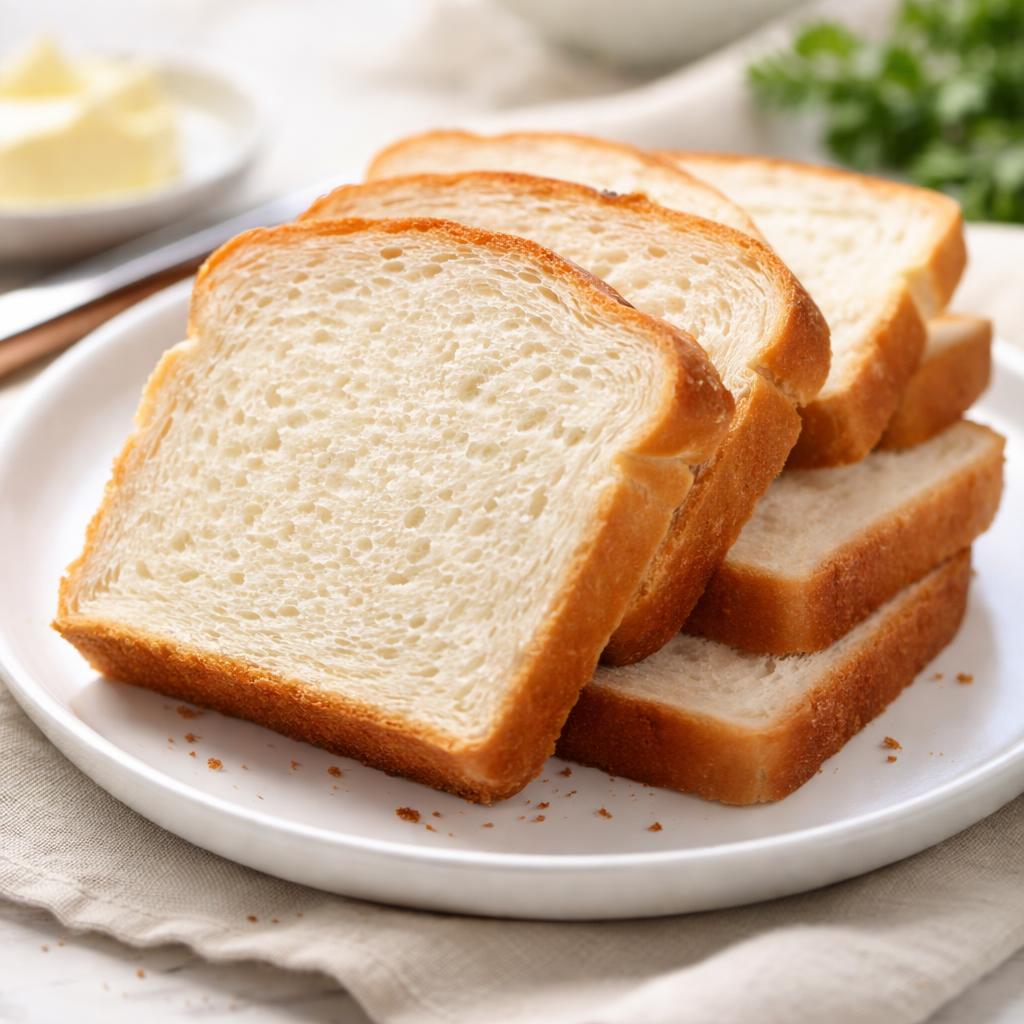
Light Bread
🎯 Quick Verdict
Light bread generally surpasses vermicelli noodles nutritionally, offering higher protein and fiber content while being lower in calories. Vermicelli noodles excel in carb content and can be a quick source of energy, whereas light bread is more versatile and nutrient-dense, making it better suited for weight management and balanced diets.

Smart Nutrition Tracking with SnapCalorie

📊 Nutritional Comparison
Macronutrients
| Nutrient | Food 1 | Food 2 | Winner |
|---|---|---|---|
| Calories | 192 | 70 | ✓ |
| Protein | 3.5g | 4g | ✓ |
| Carbs | 42g | 12g | ✓ |
| Fat | 0.4g | 1g | ✓ |
| Fiber | 0.8g | 2g | ✓ |
Vitamins & Minerals
| Nutrient | Food 1 | Food 2 | Winner |
|---|---|---|---|
| Vitamin D | 0mcg | 0mcg | − |
| Calcium | 7mg | 125mg | ✓ |
| Iron | 0.8mg | 1mg | ✓ |
🏆 Category Winners
Protein
Light bread has slightly more protein per serving (0.5g more).
Fiber
Light bread contains 2.5x more fiber than vermicelli noodles.
Calories
Light bread contains 64% fewer calories per serving.
Vitamins
Light bread provides significantly more calcium and slightly more iron than vermicelli noodles.
🥗 Diet Compatibility
Keto
Food 1: Not Compatible
Food 2: Not Compatible
Both foods are high in carbohydrates.
Vegan
Food 1: Compatible
Food 2: Compatible
Both foods are plant-based and contain no animal-derived ingredients.
Gluten Free
Food 1: Not Compatible
Food 2: Not Compatible
Both foods contain gluten.
Paleo
Food 1: Not Compatible
Food 2: Not Compatible
Both are processed grain products not suitable for paleo diets.
Low-Carb
Food 1: Not Compatible
Food 2: Compatible
Light bread has lower carbs than vermicelli noodles, making it a better choice for low-carb diets.
💪 Health Benefits Comparison
Food 1 Benefits
- Quick source of energy due to high carbohydrate content
- Low fat content, suitable for low-fat diets
- Can be easily paired with protein-rich or nutrient-dense toppings
Food 2 Benefits
- Higher fiber content to support digestive health
- Lower calorie density for weight management
- Good source of calcium for bone health
- Adequate protein to support muscle maintenance and repair
✅ The Bottom Line
Choose light bread if you prioritize lower calories, higher fiber, and overall nutrient density for weight management or a balanced diet. Vermicelli noodles are better for quick energy and pairing with nutrient-rich sauces or toppings. Consider your dietary goals and use case to make the best choice.
Choose Food 1 for: Quick energy, pairing with high-protein toppings, Asian-style dishes
Choose Food 2 for: Weight loss, balanced diets, nutrient density


