Udon Noodles VS Whole Grain Pasta
A detailed nutritional comparison
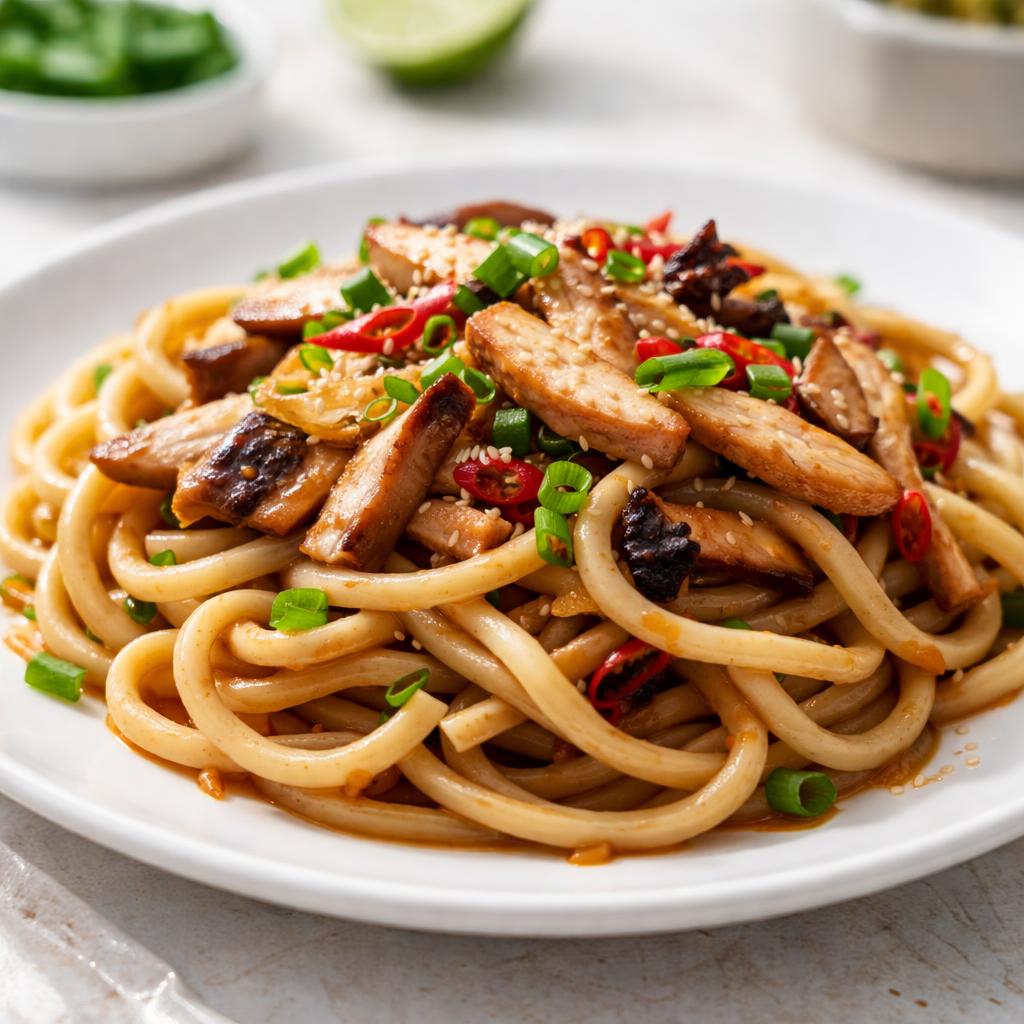
Udon Noodles
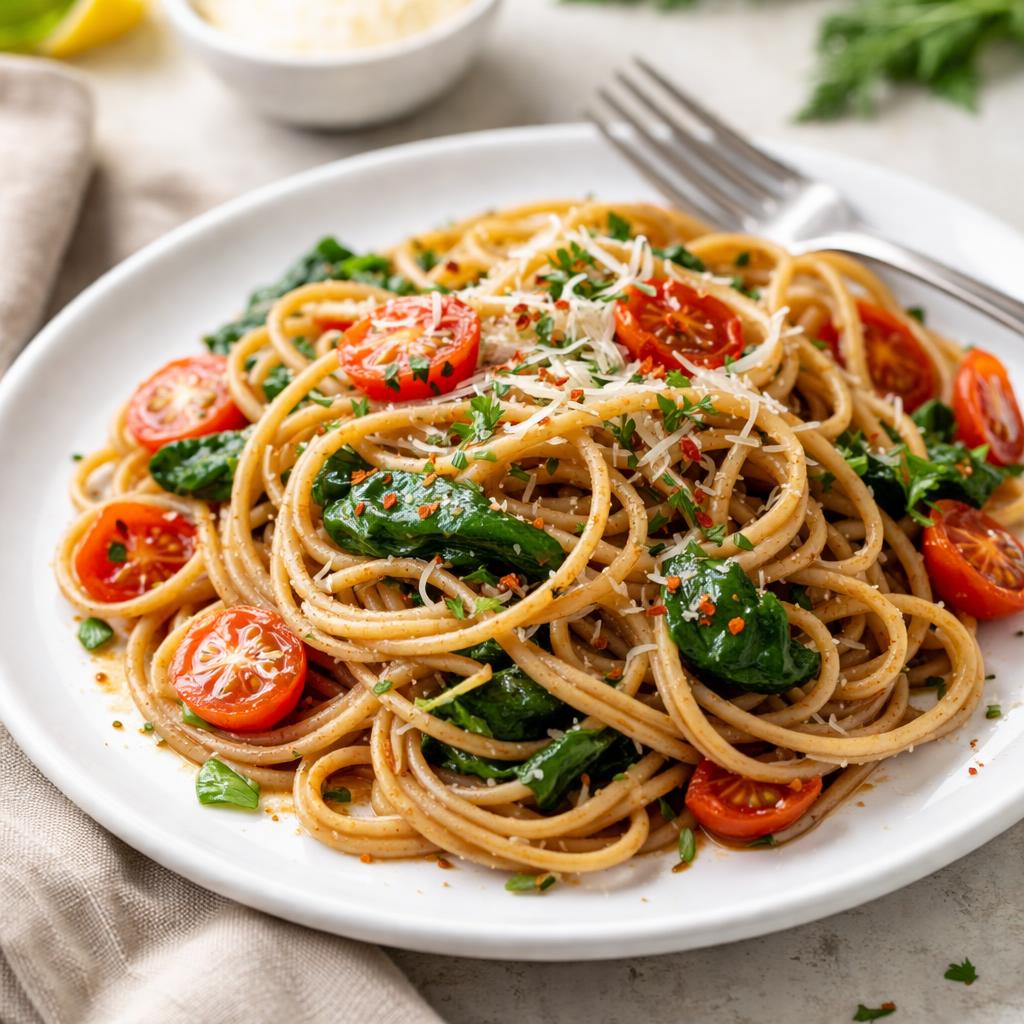
Whole Grain Pasta
🎯 Quick Verdict
Whole grain pasta offers superior nutrition compared to udon noodles, particularly in protein, fiber, and vitamin content. While udon noodles are lower in calories and may be suitable for lighter dishes, whole grain pasta is better for balanced, nutrient-dense meals that support energy and wellness goals.

Smart Nutrition Tracking with SnapCalorie

📊 Nutritional Comparison
Macronutrients
| Nutrient | Food 1 | Food 2 | Winner |
|---|---|---|---|
| Calories | 210 | 180 | ✓ |
| Protein | 7g | 8g | ✓ |
| Carbs | 39g | 35g | ✓ |
| Fat | 1g | 1g | − |
| Fiber | 1g | 6g | ✓ |
Vitamins & Minerals
| Nutrient | Food 1 | Food 2 | Winner |
|---|---|---|---|
| Vitamin D | 0mcg | 0mcg | − |
| Calcium | 10mg | 20mg | ✓ |
| Iron | 0.2mg | 2mg | ✓ |
🏆 Category Winners
Protein
Whole grain pasta contains 1g more protein per serving compared to udon noodles.
Fiber
Whole grain pasta has 6x more fiber than udon noodles.
Calories
Whole grain pasta contains 30 fewer calories per serving.
🥗 Diet Compatibility
Keto
Food 1: Not Compatible
Food 2: Not Compatible
Both foods are high in carbohydrates and not suitable for ketogenic diets.
Vegan
Food 1: Compatible
Food 2: Compatible
Both foods are plant-based and contain no animal products.
Gluten Free
Food 1: Not Compatible
Food 2: Not Compatible
Both foods contain gluten.
Paleo
Food 1: Not Compatible
Food 2: Not Compatible
Grains are excluded in paleo diets.
Low-Carb
Food 1: Not Compatible
Food 2: Not Compatible
Both are high-carb foods (over 30g per serving).
💪 Health Benefits Comparison
Food 1 Benefits
- Lower in calories for lighter meals
- Quick cooking time for convenience
- Provides energy through carbohydrates
Food 2 Benefits
- Rich in fiber, supporting digestion and gut health
- Higher protein content for muscle repair and growth
- Contains iron for red blood cell function and energy support
✅ The Bottom Line
Choose whole grain pasta for a nutrient-dense option that supports digestion, energy, and muscle health. Udon noodles are better for lower-calorie, quick meals but lack significant fiber and protein. Both are suitable for vegan diets, though neither fits into keto, paleo, or low-carb plans.
Choose Food 1 for: Low-calorie meals, quick dishes, Asian-inspired recipes
Choose Food 2 for: Balanced nutrition, digestion support, energy-dense meals


