Udon Noodles VS Rice Noodle
A detailed nutritional comparison
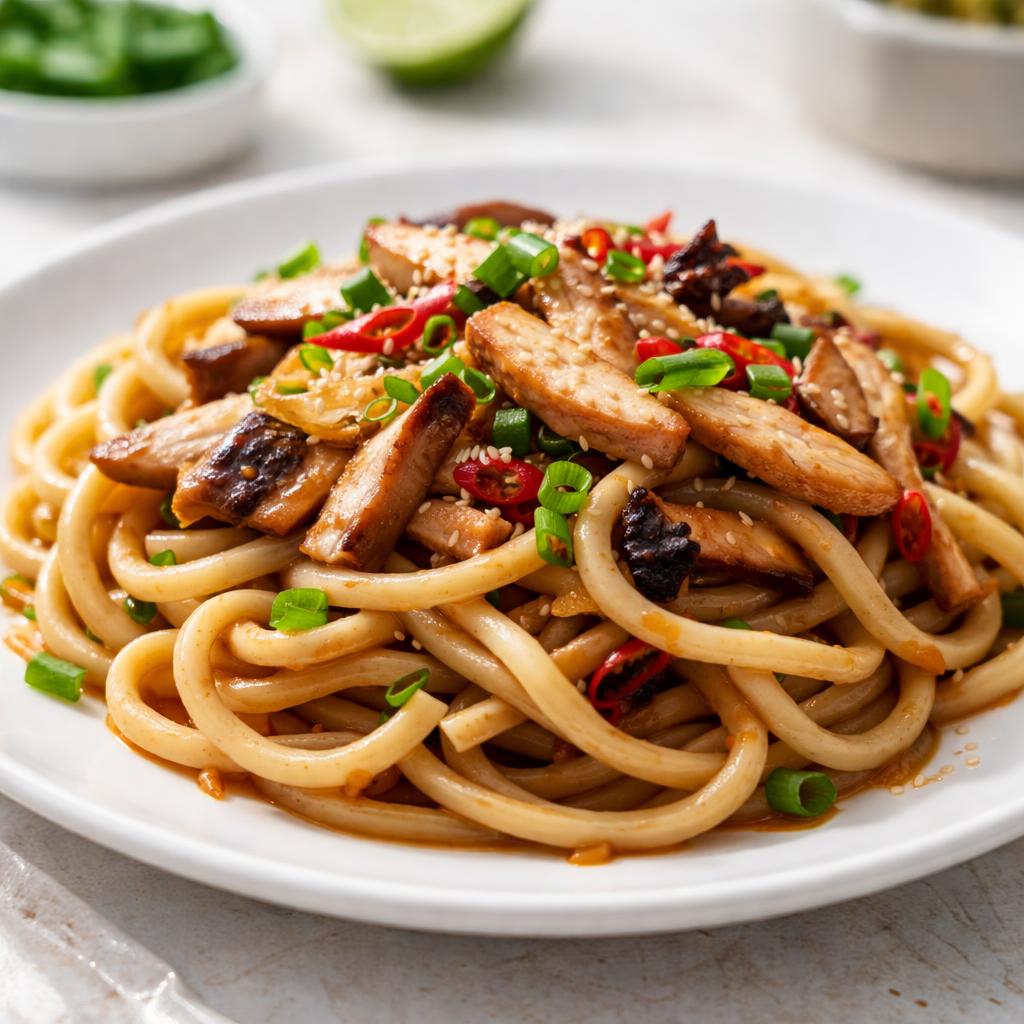
Udon Noodles
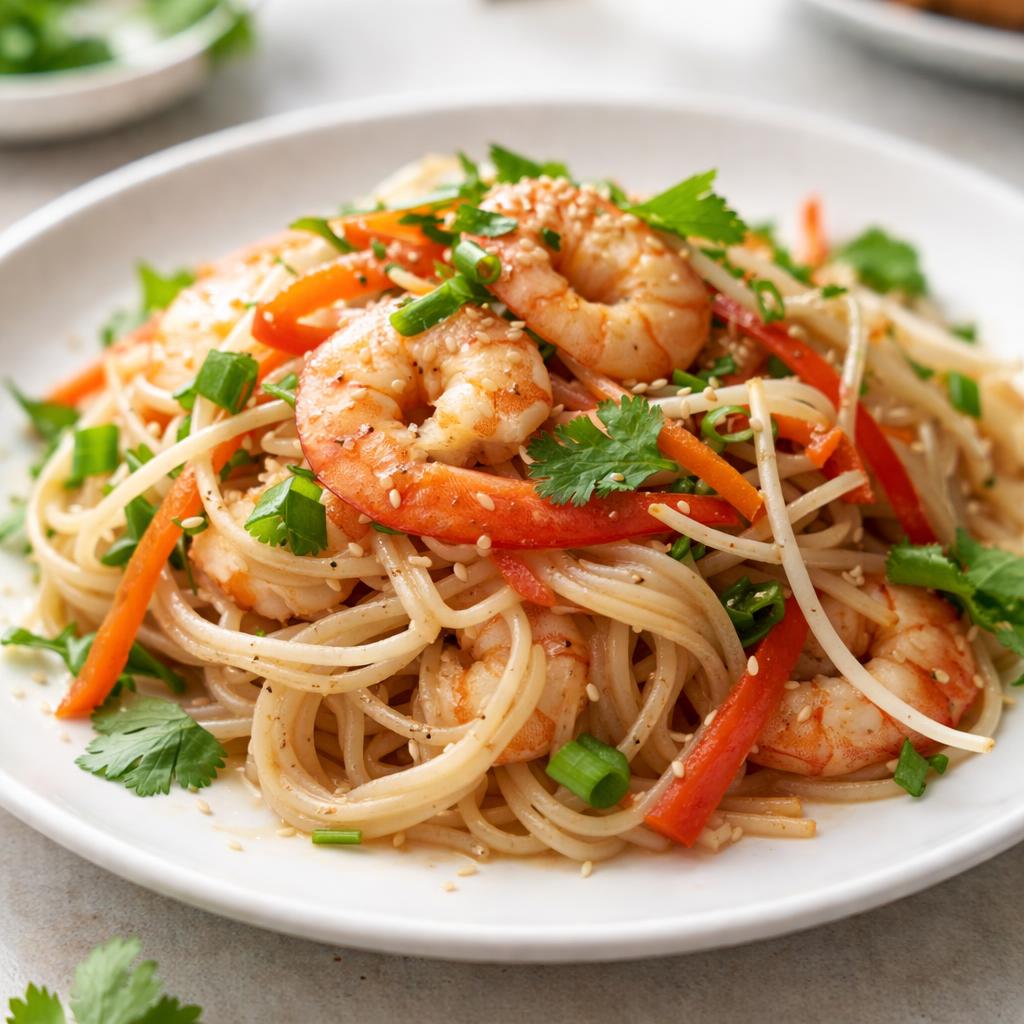
Rice Noodle
🎯 Quick Verdict
Udon noodles and rice noodles differ notably in caloric content, protein levels, and dietary compatibility. Udon noodles provide slightly more protein and are lower in carbs, while rice noodles are lighter in calories but lack fiber. Both are great for vegan diets, but rice noodles align better with gluten-free eating plans.

Smart Nutrition Tracking with SnapCalorie

📊 Nutritional Comparison
Macronutrients
| Nutrient | Food 1 | Food 2 | Winner |
|---|---|---|---|
| Calories | 210 | 190 | ✓ |
| Protein | 7g | 3g | ✓ |
| Carbs | 40g | 45g | ✓ |
| Fat | 1g | 0g | ✓ |
| Fiber | 2g | 2g | − |
Vitamins & Minerals
| Nutrient | Food 1 | Food 2 | Winner |
|---|---|---|---|
| Vitamin B6 | 0.1mg | 0mg | ✓ |
| Calcium | 20mg | 10mg | ✓ |
| Iron | 0.8mg | 0.5mg | ✓ |
🏆 Category Winners
Protein
Udon noodles provide 133% more protein per serving than rice noodles.
Fiber
Both foods provide the same fiber content of 2g per serving.
Calories
Rice noodles are lower calorie by 20 per serving.
Vitamins
Udon noodles have higher levels of Vitamin B6, calcium, and iron.
🥗 Diet Compatibility
Keto
Food 1: Not Compatible
Food 2: Not Compatible
Both foods are high in carbs and unsuitable for keto diets.
Vegan
Food 1: Compatible
Food 2: Compatible
Both are plant-based options.
Gluten Free
Food 1: Not Compatible
Food 2: Compatible
Rice noodles are naturally gluten-free while udon noodles contain wheat.
Paleo
Food 1: Not Compatible
Food 2: Not Compatible
Both foods are processed and grain-based, excluding them from paleo diets.
Low-Carb
Food 1: Not Compatible
Food 2: Not Compatible
Carb contents of 40g (udon noodles) and 45g (rice noodles) exceed low-carb thresholds.
💪 Health Benefits Comparison
Food 1 Benefits
- Higher protein content supports muscle maintenance and repair.
- Moderate fiber content aids digestion.
- Contains essential minerals like calcium and iron for bone health and oxygen transport.
Food 2 Benefits
- Lower calorie content supports weight management.
- Zero fat content makes it ideal for heart-healthy diets.
- Gluten-free, suitable for people with celiac disease or gluten sensitivity.
✅ The Bottom Line
Both udon noodles and rice noodles offer distinct advantages depending on your dietary goals. Udon noodles are better suited for those seeking higher protein content and additional vitamins and minerals, while rice noodles work well for lower-calorie meals and gluten-free diets.
Choose Food 1 for: Post-workout meals, protein-rich diets, balanced nutrition goals
Choose Food 2 for: Low-calorie diets, gluten-free lifestyles, light meals


