Udon Noodles VS Plain Rice
A detailed nutritional comparison
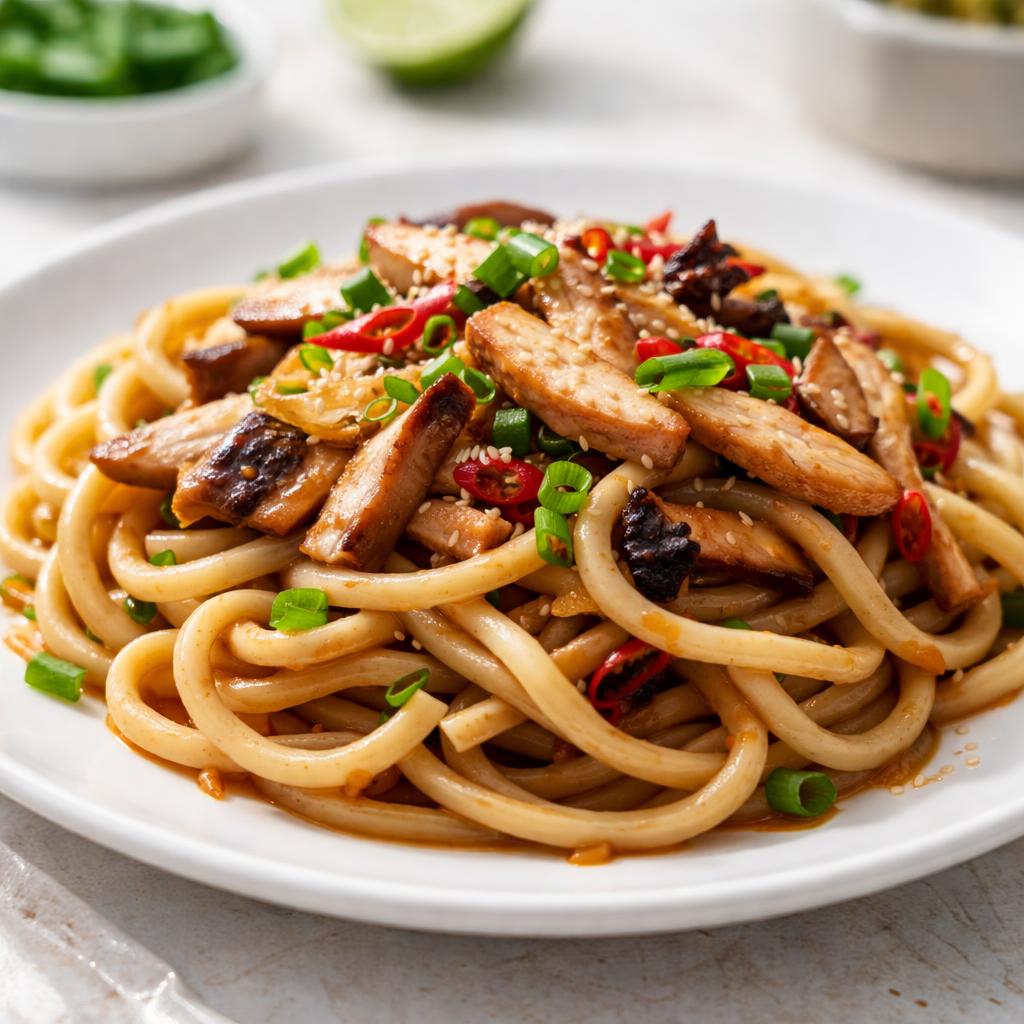
Udon Noodles
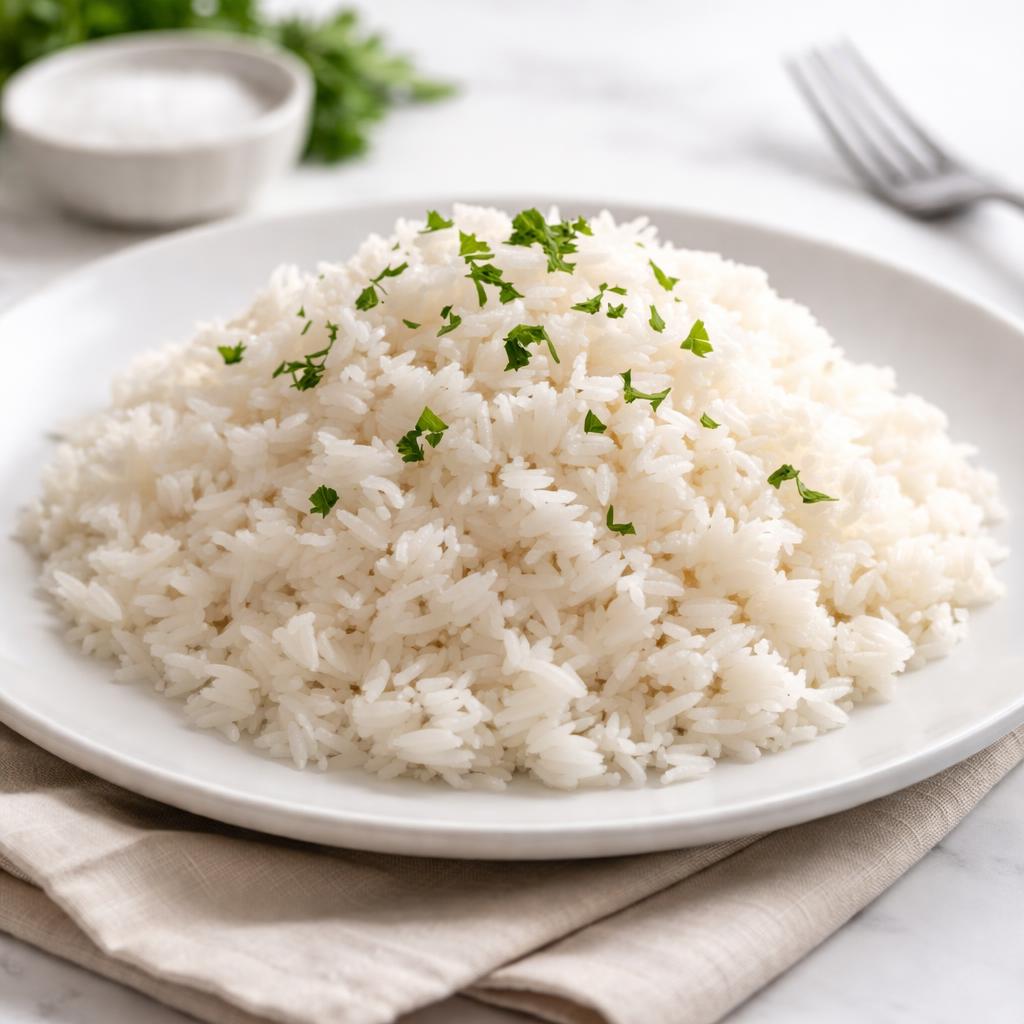
Plain Rice
🎯 Quick Verdict
Plain rice generally has fewer calories and is more versatile compared to udon noodles, which contain higher protein and fiber per serving. Udon noodles may be better suited for high-energy meals, while rice offers simplicity and a lighter calorie profile for weight management or paired dishes like curries or stir-fries.

Smart Nutrition Tracking with SnapCalorie

📊 Nutritional Comparison
Macronutrients
| Nutrient | Food 1 | Food 2 | Winner |
|---|---|---|---|
| Calories | 210 per 100g | 130 per 100g | ✓ |
| Protein | 7g per 100g | 2.7g per 100g | ✓ |
| Carbs | 38g per 100g | 28g per 100g | ✓ |
| Fat | 1g per 100g | 0.3g per 100g | ✓ |
| Fiber | 2g per 100g | 2g per 100g | − |
Vitamins & Minerals
| Nutrient | Food 1 | Food 2 | Winner |
|---|---|---|---|
| Vitamin B1 (Thiamine) | 0.1mg per 100g | 0.02mg per 100g | ✓ |
| Iron | 1mg per 100g | 0.2mg per 100g | ✓ |
| Magnesium | 15mg per 100g | 10mg per 100g | ✓ |
🏆 Category Winners
Protein
Udon noodles contain over 2.5x more protein per serving than plain rice.
Fiber
Both foods supply 2g of fiber per 100g, great for digestion.
Calories
Plain rice is lower in calories, with 80 fewer calories per 100g than udon noodles.
Vitamins
Udon noodles provide higher amounts of vitamins and minerals like iron and magnesium compared to rice.
🥗 Diet Compatibility
Keto
Food 1: Not Compatible
Food 2: Not Compatible
Both foods are high in carbohydrates, making them unsuitable for keto diets.
Vegan
Food 1: Compatible
Food 2: Compatible
Both foods are plant-based and vegan-friendly.
Gluten Free
Food 1: Not Compatible
Food 2: Compatible
Plain rice is gluten-free, while udon noodles typically contain wheat-based flour.
Paleo
Food 1: Not Compatible
Food 2: Not Compatible
Neither food fits the paleo diet due to high carbohydrate content and processing.
Low Carb
Food 1: Not Compatible
Food 2: Not Compatible
Both foods are relatively high in carbohydrates, making them unsuitable for low-carb diets.
💪 Health Benefits Comparison
Food 1 Benefits
- High protein content supports muscle repair and maintenance.
- Provides essential minerals like magnesium and iron for energy and blood production.
- Contains dietary fiber for smoother digestion.
Food 2 Benefits
- Low in calories, making it suitable for weight management goals.
- Gluten-free option ideal for individuals with gluten intolerances or sensitivities.
- Easily digestible, great for individuals with sensitive stomachs or recovering from illness.
✅ The Bottom Line
Choose udon noodles if you need a higher-protein, nutrient-dense meal, such as post-workout or energy-packed dishes. Opt for plain rice when keeping calories lower or eating a gluten-free, versatile staple food. Pair rice with nutrient-rich sides to boost overall health gains.
Choose Food 1 for: High-protein meals, energy-dense options, balanced diets
Choose Food 2 for: Weight management, gluten-free diets, simple meals or side dishes


