Tomato VS White Beans
A detailed nutritional comparison
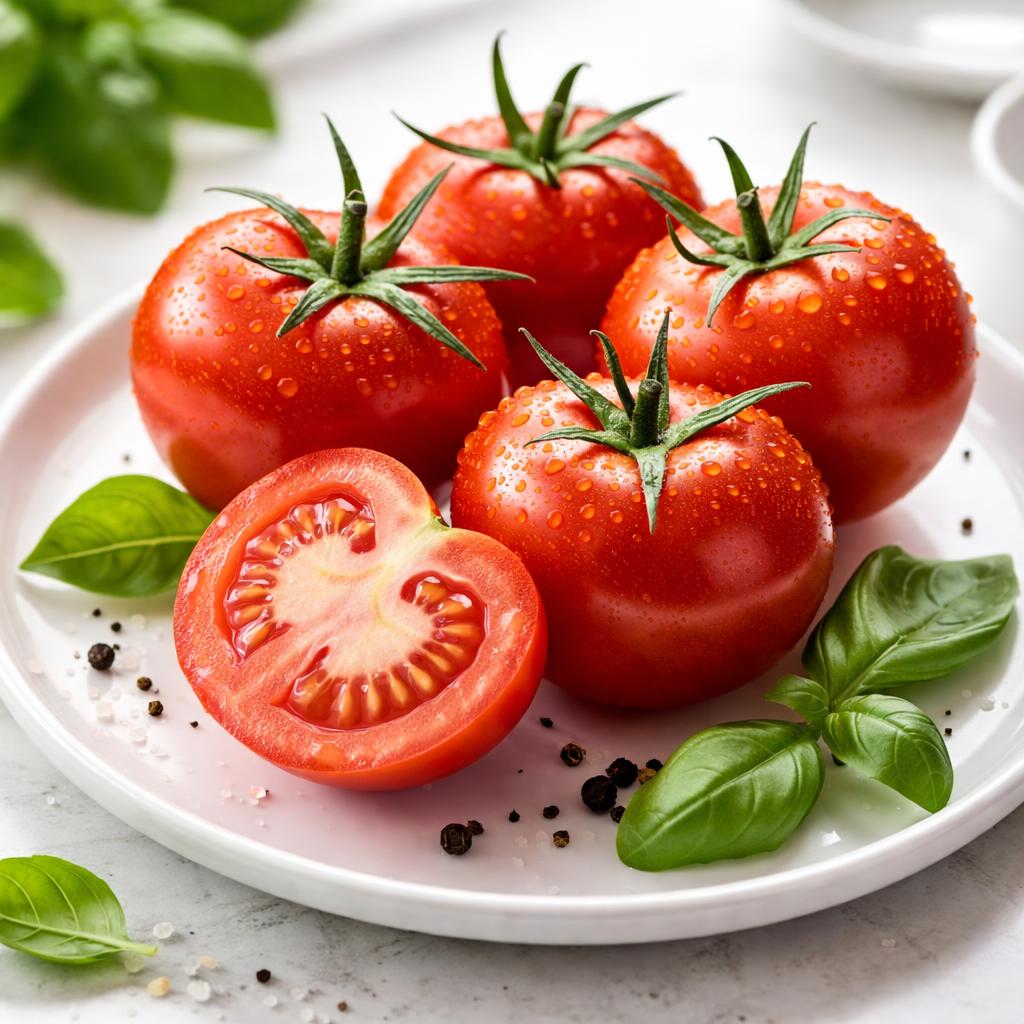
Tomato
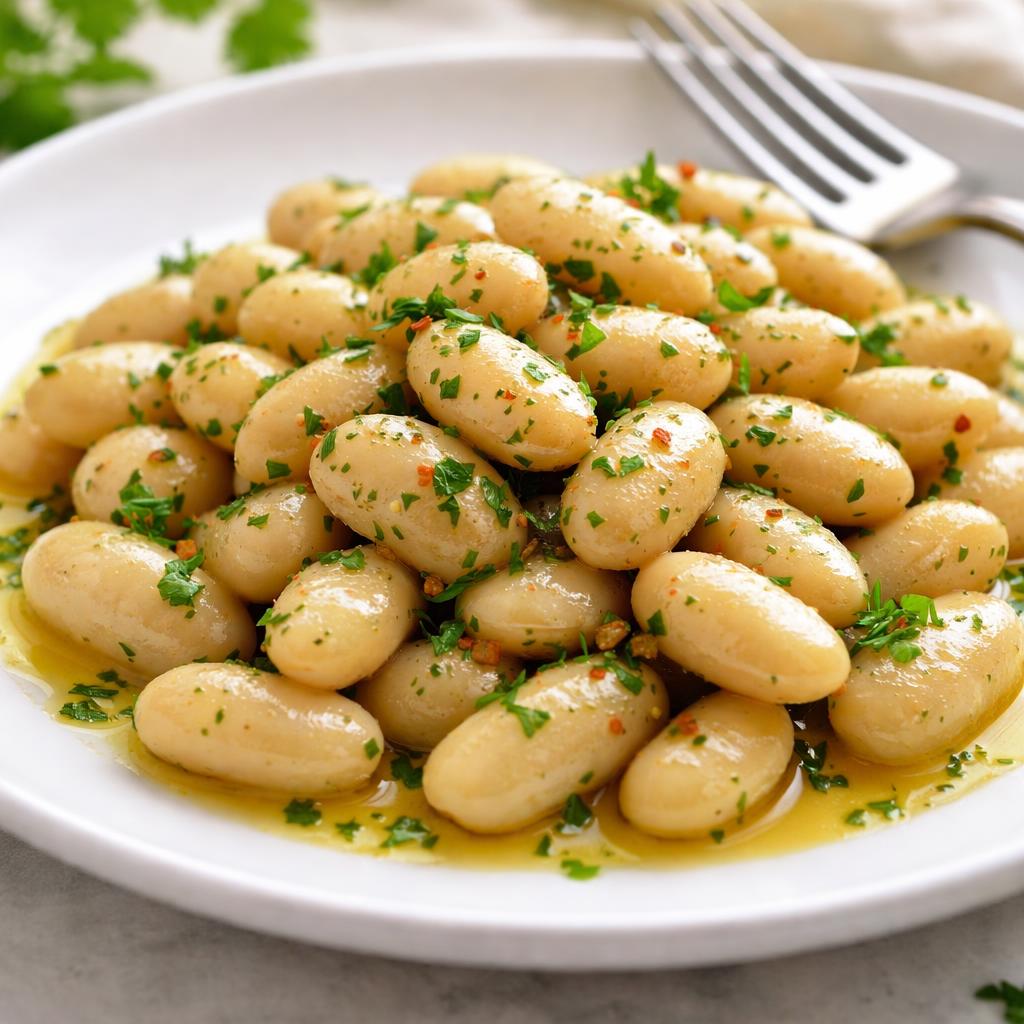
White Beans
🎯 Quick Verdict
White beans are higher in protein and fiber, making them a powerhouse for muscle maintenance and digestive health. Tomatoes are lower in calories and provide a variety of vitamins, especially antioxidants like vitamin C and lycopene, making them great for low-calorie diets and immune support. Each has unique strengths depending on dietary goals.

Smart Nutrition Tracking with SnapCalorie

📊 Nutritional Comparison
Macronutrients
| Nutrient | Food 1 | Food 2 | Winner |
|---|---|---|---|
| Calories | 18 per 100g | 114 per 100g | ✓ |
| Protein | 1g per 100g | 7.5g per 100g | ✓ |
| Carbs | 3.9g per 100g | 20g per 100g | ✓ |
| Fat | 0.2g per 100g | 0.6g per 100g | ✓ |
| Fiber | 1.2g per 100g | 6g per 100g | ✓ |
Vitamins & Minerals
| Nutrient | Food 1 | Food 2 | Winner |
|---|---|---|---|
| Vitamin C | 13.7mg per 100g | 0.3mg per 100g | ✓ |
| Vitamin A | 833 IU per 100g | 3 IU per 100g | ✓ |
| Iron | 0.3mg per 100g | 2.5mg per 100g | ✓ |
| Calcium | 10mg per 100g | 89mg per 100g | ✓ |
🏆 Category Winners
Protein
White beans contain 7.5g of protein per 100g vs 1g in tomatoes.
Fiber
White beans have 6g of fiber per 100g, five times more than tomatoes.
Calories
Tomatoes are extremely low-calorie at 18 calories per 100g, compared to 114 in white beans.
Vitamins
Tomatoes are rich in vitamin C and A, while white beans are lower in these vitamins but offer minerals like iron and calcium.
🥗 Diet Compatibility
Keto
Food 1: Compatible
Food 2: Conditionally Compatible
Tomatoes are naturally low-carb, while white beans are moderate-carb and may not fit strict keto diets.
Vegan
Food 1: Compatible
Food 2: Compatible
Both foods are entirely plant-based.
Gluten Free
Food 1: Compatible
Food 2: Compatible
Neither food contains gluten.
Paleo
Food 1: Compatible
Food 2: Not Compatible
Tomatoes are paleo-friendly, but white beans are legumes and excluded from strict paleo diets.
Low Carb
Food 1: Compatible
Food 2: Not Compatible
Tomatoes' carb content is low (3.9g per 100g), while white beans are higher in carbs (20g per 100g).
💪 Health Benefits Comparison
Food 1 Benefits
- Rich in vitamin C for immune system support.
- Low-calorie option ideal for weight management.
- Contains lycopene, an antioxidant that supports heart health.
Food 2 Benefits
- High in plant-based protein for muscle maintenance.
- Rich in dietary fiber for improved digestion and gut health.
- Contains iron for better oxygen transport in the blood.
✅ The Bottom Line
Choose tomatoes for low-calorie salads, immune support, or as a base for light meals. White beans are better for high-protein vegan dishes or fiber-rich options like soups and stews. Both foods complement each other in a balanced diet.
Choose Food 1 for: Low-calorie diets, light snacks, vitamin-rich meals
Choose Food 2 for: High-protein diets, gut health, hearty recipes


