Tomato VS Red Pepper
A detailed nutritional comparison
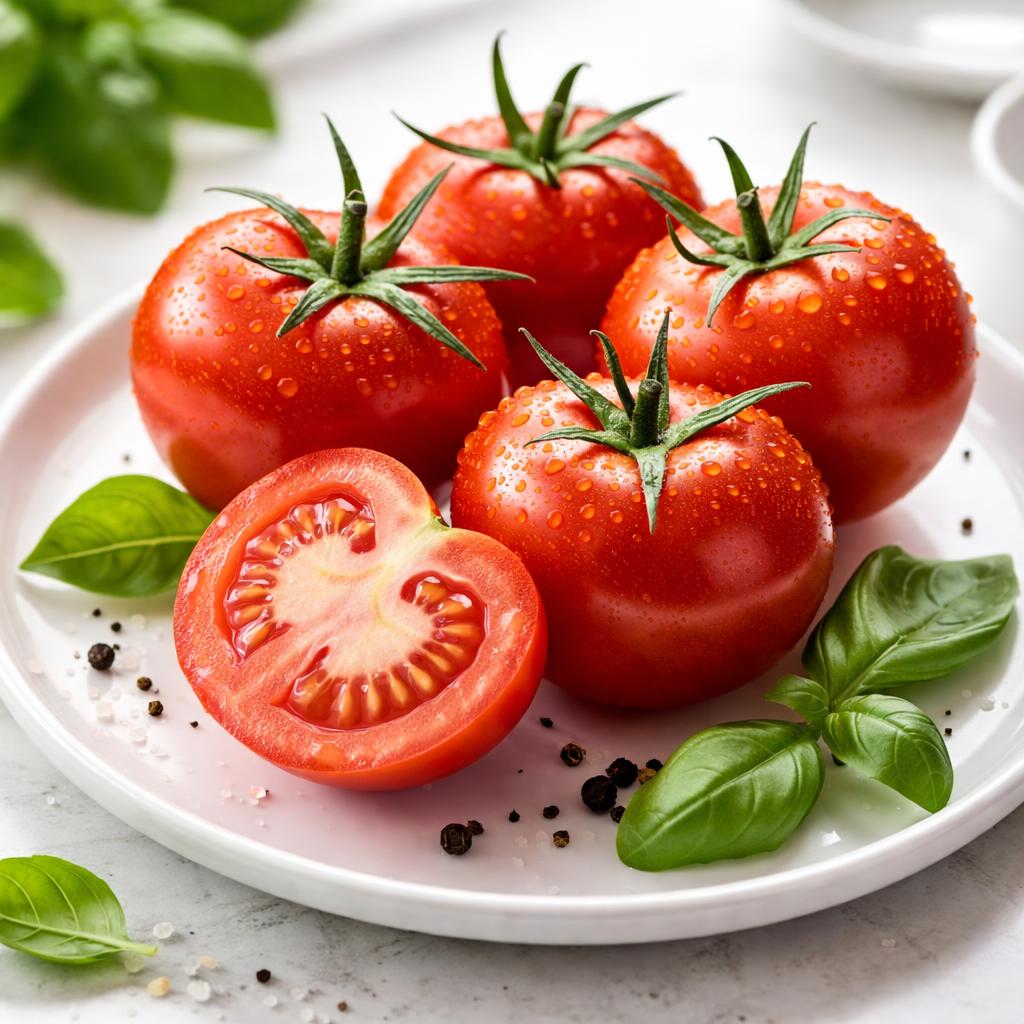
Tomato
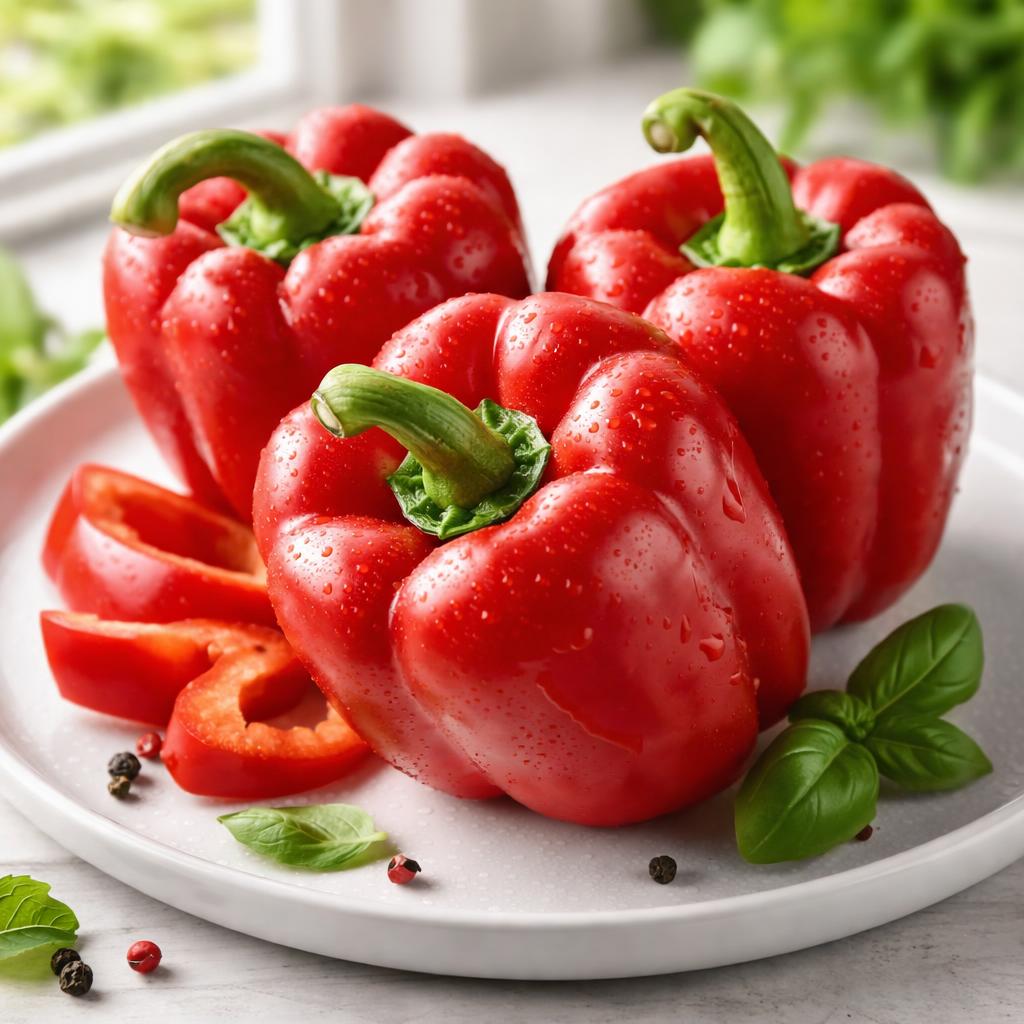
Red Pepper
🎯 Quick Verdict
Tomatoes are lower in calories and provide more hydration, making them excellent for weight management and refreshing salads. Red peppers, on the other hand, are more nutrient-dense, offering higher amounts of vitamins C and A, along with more fiber, which supports digestion and overall health. Both are versatile vegetables suitable for many diets, but red peppers shine in nutrient density and health benefits.

Smart Nutrition Tracking with SnapCalorie

📊 Nutritional Comparison
Macronutrients
| Nutrient | Food 1 | Food 2 | Winner |
|---|---|---|---|
| Calories | 18 per 100g | 31 per 100g | ✓ |
| Protein | 0.9g per 100g | 0.9g per 100g | − |
| Carbs | 3.9g per 100g | 6g per 100g | ✓ |
| Fat | 0.2g per 100g | 0.3g per 100g | ✓ |
| Fiber | 1.2g per 100g | 2.1g per 100g | ✓ |
Vitamins & Minerals
| Nutrient | Food 1 | Food 2 | Winner |
|---|---|---|---|
| Vitamin C | 14mg per 100g | 127mg per 100g | ✓ |
| Vitamin A | 833 IU per 100g | 3131 IU per 100g | ✓ |
| Potassium | 237mg per 100g | 211mg per 100g | ✓ |
| Iron | 0.3mg per 100g | 0.4mg per 100g | ✓ |
🏆 Category Winners
Protein
Both foods contain 0.9g of protein per 100g serving.
Fiber
Food2 (red pepper) has 75% more fiber than food1 (tomato).
Calories
Food1 is lower in calories by about 42% compared to food2.
Vitamins
Food2 significantly outshines in vitamin C and A content.
🥗 Diet Compatibility
Keto
Food 1: Compatible
Food 2: Compatible
Both foods are low in carbs and suitable for keto diets.
Vegan
Food 1: Compatible
Food 2: Compatible
Both are plant-based and vegan-friendly.
Gluten Free
Food 1: Compatible
Food 2: Compatible
Neither contains gluten.
Paleo
Food 1: Compatible
Food 2: Compatible
Both fit into a paleo diet framework.
Low Carb
Food 1: Compatible
Food 2: Compatible
Both are low-carb, with food1 being slightly lower.
💪 Health Benefits Comparison
Food 1 Benefits
- Low in calories for weight management
- Good source of potassium for heart health and muscle function
- Provides hydration due to high water content
Food 2 Benefits
- Rich in vitamin C for immune support and skin health
- Good source of vitamin A for vision and immune function
- Contains fiber to aid digestion and promote gut health
- Offers antioxidant properties to combat oxidative stress
✅ The Bottom Line
Choose tomatoes for refreshing dishes, hydration, and weight management, particularly where low calorie options are needed. Opt for red peppers if you’re focused on nutrient density and fiber intake, perfect for boosting immune and digestive health.
Choose Food 1 for: Weight loss, hydration, light meals
Choose Food 2 for: Nutrient-rich dishes, digestive health, immune support


