Tomato VS Red Bell Pepper
A detailed nutritional comparison
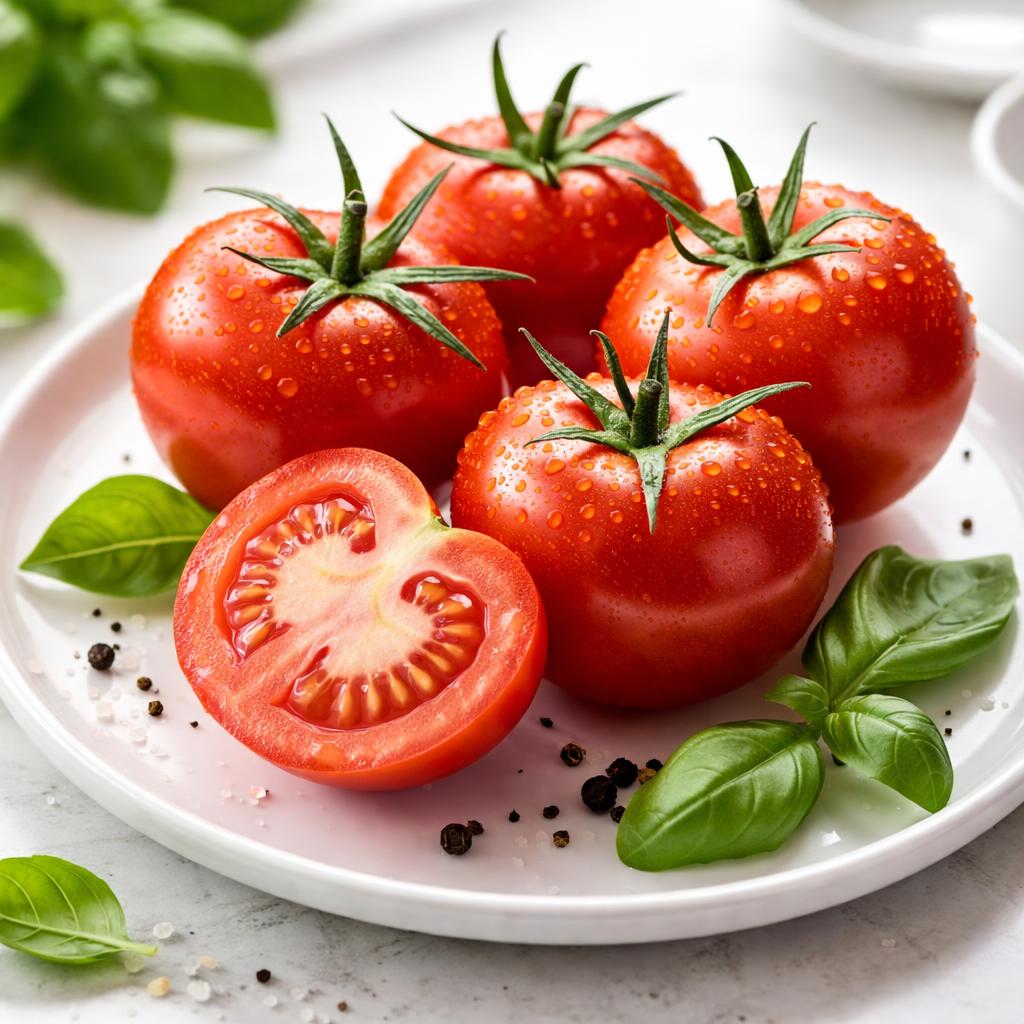
Tomato
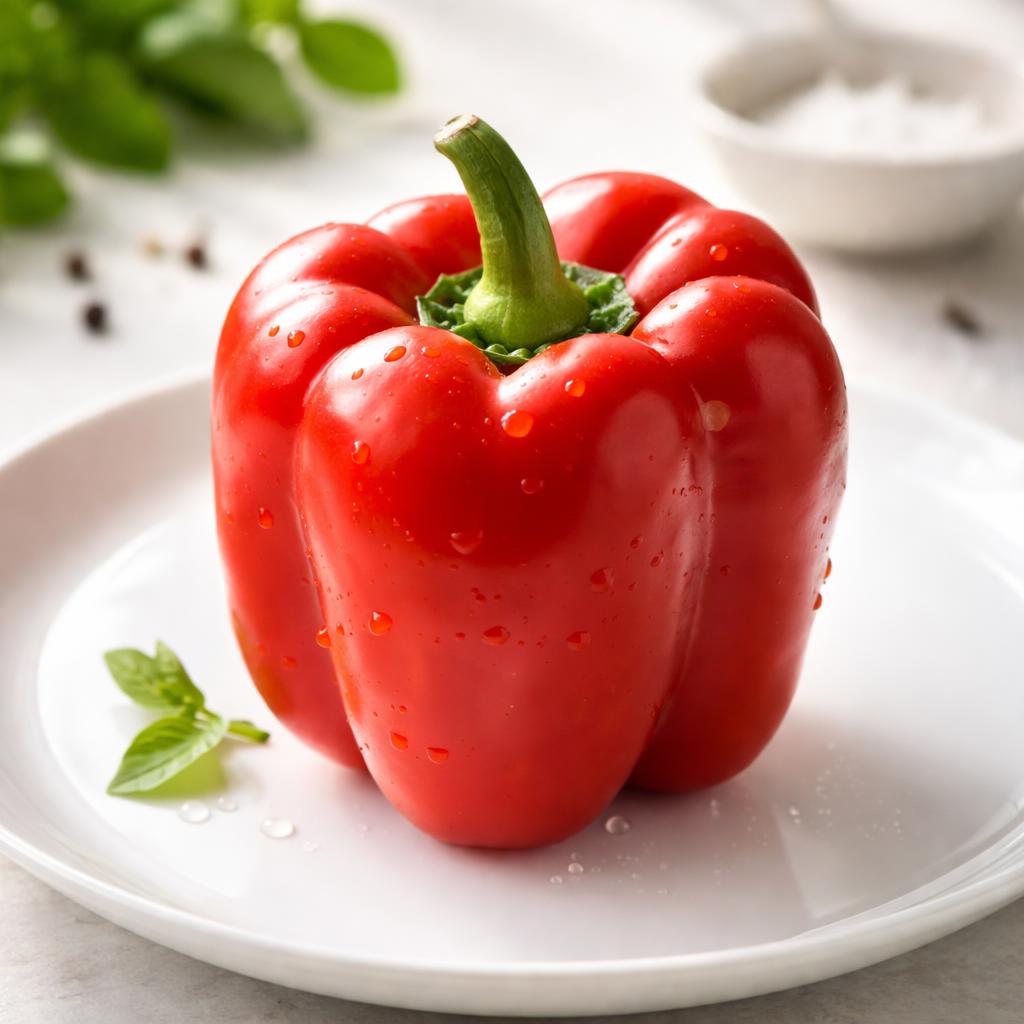
Red Bell Pepper
🎯 Quick Verdict
While both tomato and red bell pepper are nutrient-dense and low-calorie vegetables, red bell pepper provides higher fiber and vitamin C levels, making it ideal for boosting immunity and digestion. Tomatoes, on the other hand, are slightly lower in calories and offer unique antioxidants such as lycopene, beneficial for heart health and protection against oxidative stress.

Smart Nutrition Tracking with SnapCalorie

📊 Nutritional Comparison
Macronutrients
| Nutrient | Food 1 | Food 2 | Winner |
|---|---|---|---|
| Calories | 18 | 31 | ✓ |
| Protein | 0.9g | 1g | − |
| Carbs | 3.9g | 6g | ✓ |
| Fat | 0.2g | 0.3g | ✓ |
| Fiber | 1.2g | 2.1g | ✓ |
Vitamins & Minerals
| Nutrient | Food 1 | Food 2 | Winner |
|---|---|---|---|
| Vitamin C | 13.7mg | 127.7mg | ✓ |
| Vitamin A | 833IU | 3131IU | ✓ |
| Potassium | 237mg | 211mg | ✓ |
| Folate | 18mcg | 23mcg | ✓ |
🏆 Category Winners
Protein
Both foods contain almost identical protein levels per serving.
Fiber
Red bell pepper contains nearly double the fiber of tomatoes.
Calories
Tomatoes have about 42% fewer calories per serving.
Vitamins
Food2 is significantly higher in Vitamin C and Vitamin A.
🥗 Diet Compatibility
Keto
Food 1: Not Compatible
Food 2: Not Compatible
Both are relatively high in net carbs (3+g per serving).
Vegan
Food 1: Compatible
Food 2: Compatible
Both are plant-based vegetables.
Gluten Free
Food 1: Compatible
Food 2: Compatible
Neither food contains gluten.
Paleo
Food 1: Compatible
Food 2: Compatible
Both fit into a natural, whole-food diet.
Low Carb
Food 1: Compatible
Food 2: Compatible
Both have modest carbohydrate levels per serving.
💪 Health Benefits Comparison
Food 1 Benefits
- Rich in lycopene, a potent antioxidant for heart health
- Lower calorie content supports weight management
- Good source of potassium for balanced electrolytes
Food 2 Benefits
- High in Vitamin C for immune system support
- Contains Vitamin A for eye health and skin health
- Good fiber content promotes digestion and satiety
✅ The Bottom Line
Choose tomatoes for their low calorie count and antioxidant benefits, especially lycopene's protective effects against inflammation and heart disease. Opt for red bell peppers if you're prioritizing vitamin needs, particularly Vitamin C and A, and looking for more fiber to support digestion and satiety.
Choose Food 1 for: Low-calorie diets, antioxidants, heart health
Choose Food 2 for: Immune support, eye health, digestive health


