Tomato VS Provolone Cheese
A detailed nutritional comparison
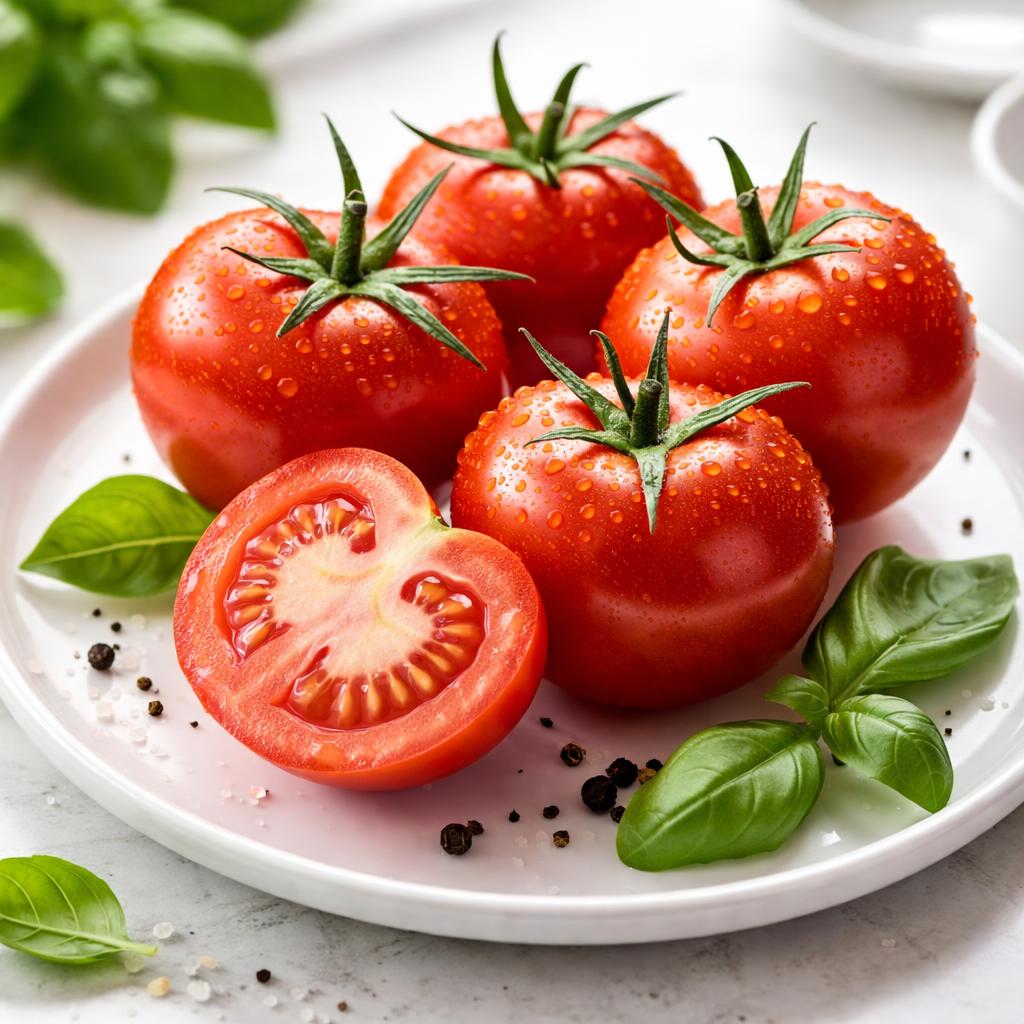
Tomato
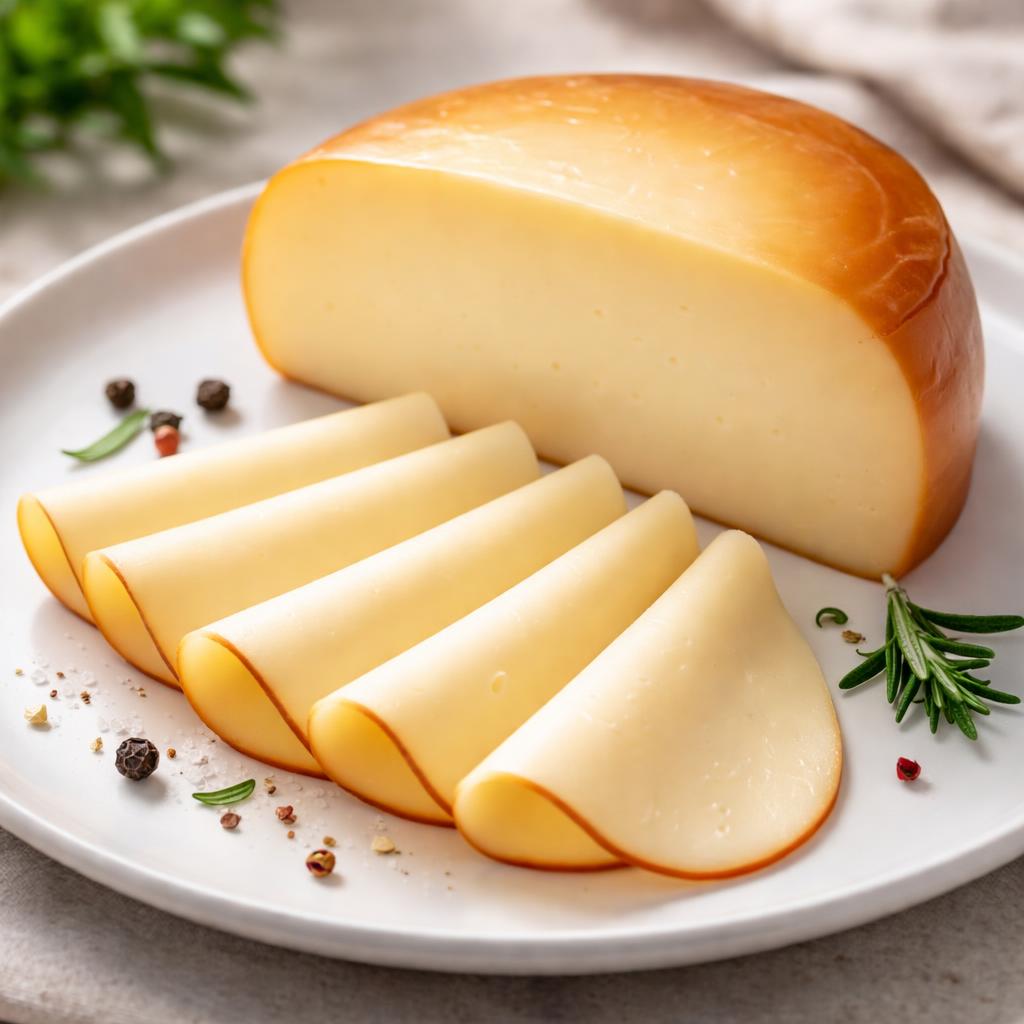
Provolone Cheese
🎯 Quick Verdict
Tomatoes are low in calories and high in fiber, making them a better option for weight loss and overall health. Provolone cheese is rich in protein and fat, offering more concentrated energy and sustenance, ideal for higher-calorie diets or keto plans. Both have unique nutrient profiles that suit different dietary needs.

Smart Nutrition Tracking with SnapCalorie

📊 Nutritional Comparison
Macronutrients
| Nutrient | Food 1 | Food 2 | Winner |
|---|---|---|---|
| Calories | 18 per 100g | 351 per 100g | ✓ |
| Protein | 0.9g | 25g | ✓ |
| Carbs | 3.9g | 1g | ✓ |
| Fat | 0.2g | 27g | ✓ |
| Fiber | 1.2g | 0g | ✓ |
Vitamins & Minerals
| Nutrient | Food 1 | Food 2 | Winner |
|---|---|---|---|
| Vitamin C | 14mg | 0mg | ✓ |
| Calcium | 10mg | 750mg | ✓ |
| Vitamin A | 833 IU | 110 IU | ✓ |
| Iron | 0.3mg | 0.2mg | ✓ |
🏆 Category Winners
Protein
Provolone cheese has 25g of protein per 100g compared to only 0.9g in tomatoes.
Fiber
Tomatoes outperform provolone cheese with 1.2g of fiber per 100g.
Calories
Tomatoes are incredibly low-calorie at 18 per 100g compared to 351 per 100g in provolone cheese.
Vitamins
Tomatoes are a stronger source of Vitamin C, Vitamin A, and iron compared to provolone cheese.
🥗 Diet Compatibility
Keto
Food 1: Not Compatible
Food 2: Compatible
Provolone cheese fits keto diets due to its high fat and low carb content.
Vegan
Food 1: Compatible
Food 2: Not Compatible
Tomatoes are plant-based, whereas provolone cheese is dairy-based.
Gluten Free
Food 1: Compatible
Food 2: Compatible
Neither food contains gluten.
Paleo
Food 1: Compatible
Food 2: Not Compatible
Tomatoes align with paleo diets, while provolone cheese is excluded due to its dairy content.
Low Carb
Food 1: Moderately Compatible
Food 2: Compatible
Provolone cheese is very low in carbs (1g), while tomatoes have slightly more (3.9g per 100g).
💪 Health Benefits Comparison
Food 1 Benefits
- Rich in vitamin C, supporting immune health
- Low in calories, ideal for weight loss
- Contains dietary fiber, aiding in digestion
- Good source of antioxidants like lycopene for heart health
Food 2 Benefits
- High in protein for muscle building and repair
- Excellent source of calcium, promoting bone health
- Provides healthy fats, supporting energy and cell health
- Contains phosphorus, which helps with energy metabolism
✅ The Bottom Line
Choose tomatoes for low-calorie, vitamin-rich meals or snacks, great for weight loss and nutrient density. Opt for provolone cheese for energy-dense, protein-packed options suited for keto or high-calorie diets.
Choose Food 1 for: Weight loss, plant-based diets, antioxidant intake
Choose Food 2 for: Keto diets, muscle maintenance, calcium boost


