Tomato VS Olives
A detailed nutritional comparison
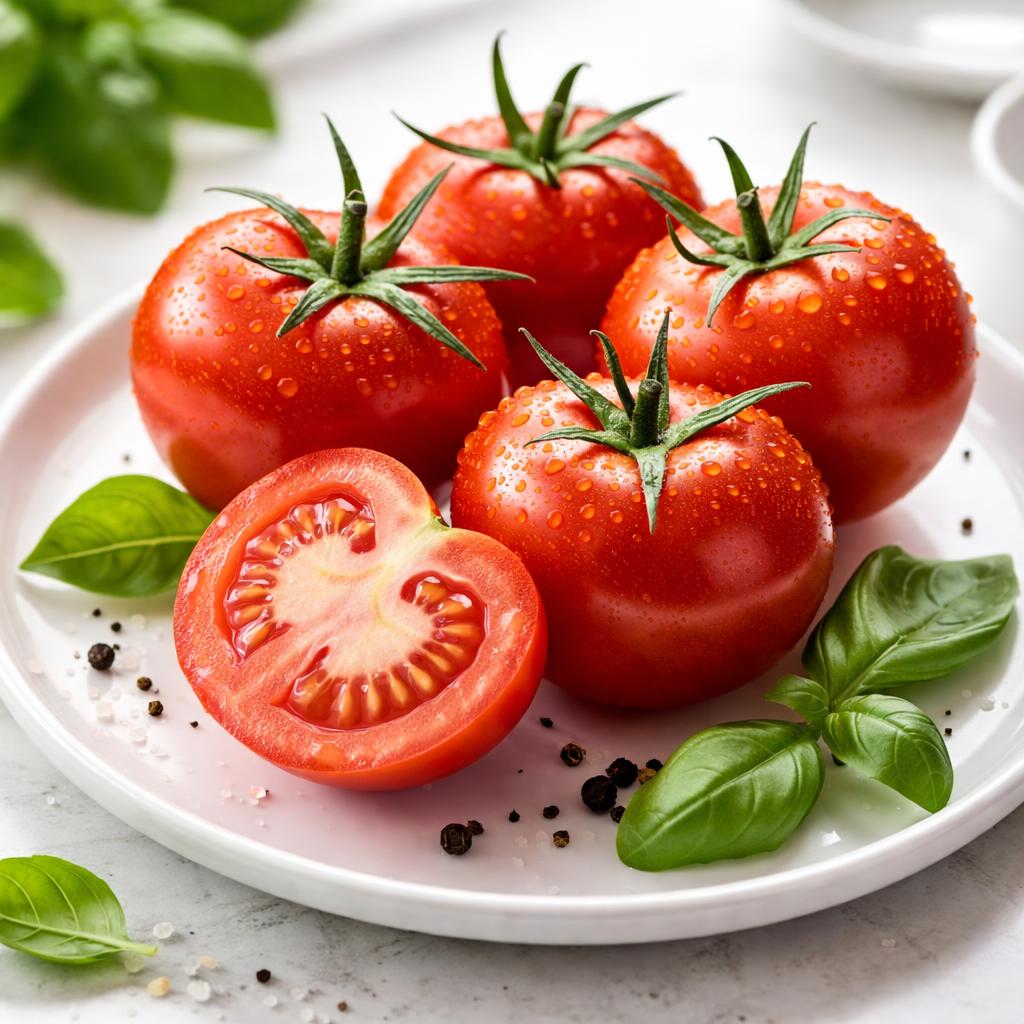
Tomato
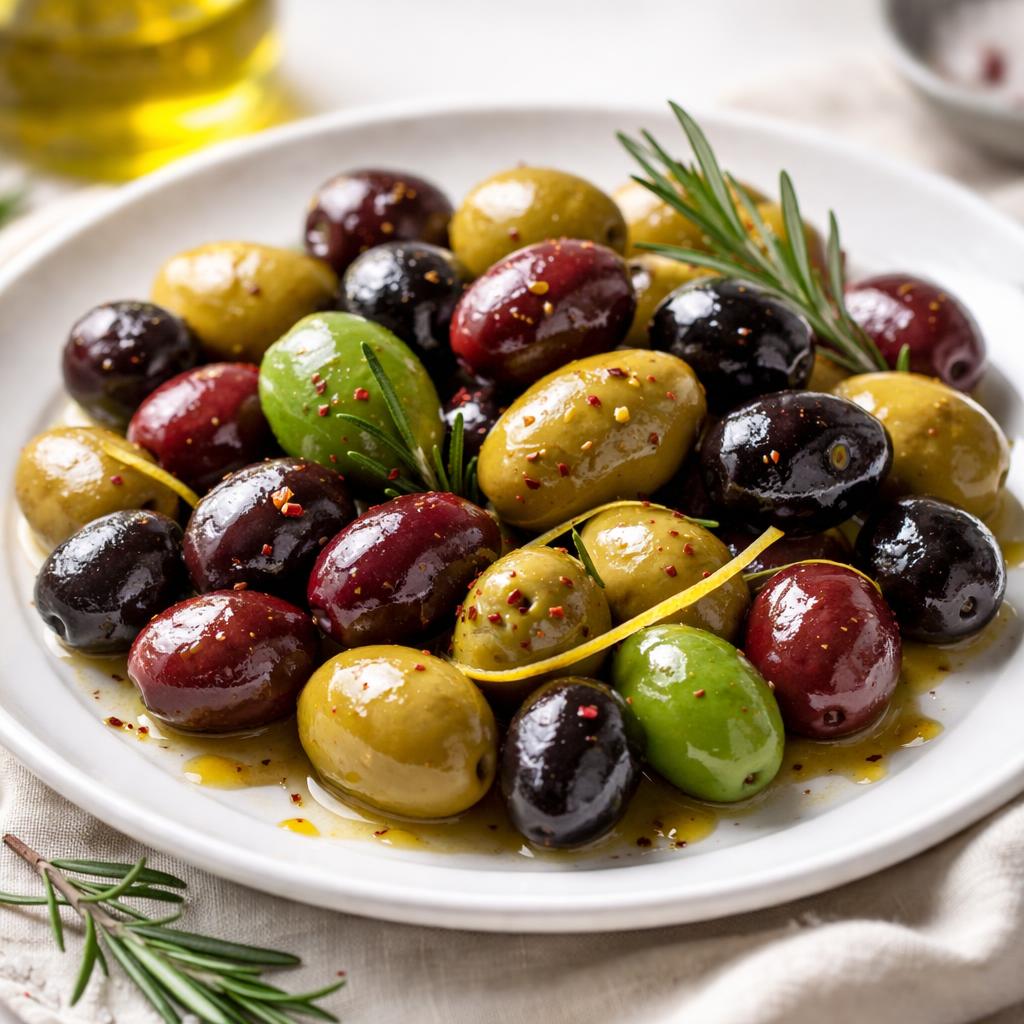
Olives
🎯 Quick Verdict
Tomatoes and olives have distinct nutritional profiles. Tomatoes are lower in calories and carbs, making them suitable for weight-conscious diets. Olives are higher in healthy fats and fiber, ideal for heart health and sustained energy. Both are excellent for plant-based diets but serve different purposes depending on dietary goals.

Smart Nutrition Tracking with SnapCalorie

📊 Nutritional Comparison
Macronutrients
| Nutrient | Food 1 | Food 2 | Winner |
|---|---|---|---|
| Calories | 18 per 100g | 115 per 100g | ✓ |
| Protein | 0.9g per 100g | 1g per 100g | − |
| Carbs | 3.9g per 100g | 6g per 100g | ✓ |
| Fat | 0.2g per 100g | 10.7g per 100g | ✓ |
| Fiber | 1.2g per 100g | 3.2g per 100g | ✓ |
Vitamins & Minerals
| Nutrient | Food 1 | Food 2 | Winner |
|---|---|---|---|
| Vitamin C | 13.7mg per 100g | 0mg per 100g | ✓ |
| Vitamin A | 42mcg per 100g | 17mcg per 100g | ✓ |
| Iron | 0.3mg per 100g | 3.3mg per 100g | ✓ |
| Calcium | 10mg per 100g | 88mg per 100g | ✓ |
🏆 Category Winners
Protein
Both foods have similar low protein content.
Fiber
Olives have nearly triple the fiber content of tomatoes.
Calories
Tomatoes are significantly lower in calories.
Vitamins
Tomatoes excel in vitamin C and A content for immunity and vision support.
🥗 Diet Compatibility
Keto
Food 1: Not Compatible
Food 2: Compatible
Olives are high-fat and low-carb, supporting keto diets.
Vegan
Food 1: Compatible
Food 2: Compatible
Both are plant-based.
Gluten Free
Food 1: Compatible
Food 2: Compatible
Neither contains gluten.
Paleo
Food 1: Compatible
Food 2: Compatible
Both fit paleo dietary guidelines.
Low-Carb
Food 1: Compatible
Food 2: Compatible
Tomatoes and olives are both relatively low in carbs.
💪 Health Benefits Comparison
Food 1 Benefits
- Low in calories for weight management
- Rich in vitamin C to boost immune function
- Good source of antioxidants, including lycopene, for heart health
Food 2 Benefits
- High in monounsaturated fats for heart health
- Rich in fiber for digestive support
- Contains iron and calcium to support bone and blood health
- Provides antioxidants for cellular protection
✅ The Bottom Line
Choose tomatoes for low-calorie, vitamin-rich meals and olives for healthy fats and fiber. Depending on your dietary goal, these foods complement each other well in balanced plant-based or Mediterranean diets.
Choose Food 1 for: Weight loss, vitamin-rich snacks, immunity boosting
Choose Food 2 for: Heart health, high-fiber diets, Mediterranean eating


