Tomato VS Okra
A detailed nutritional comparison
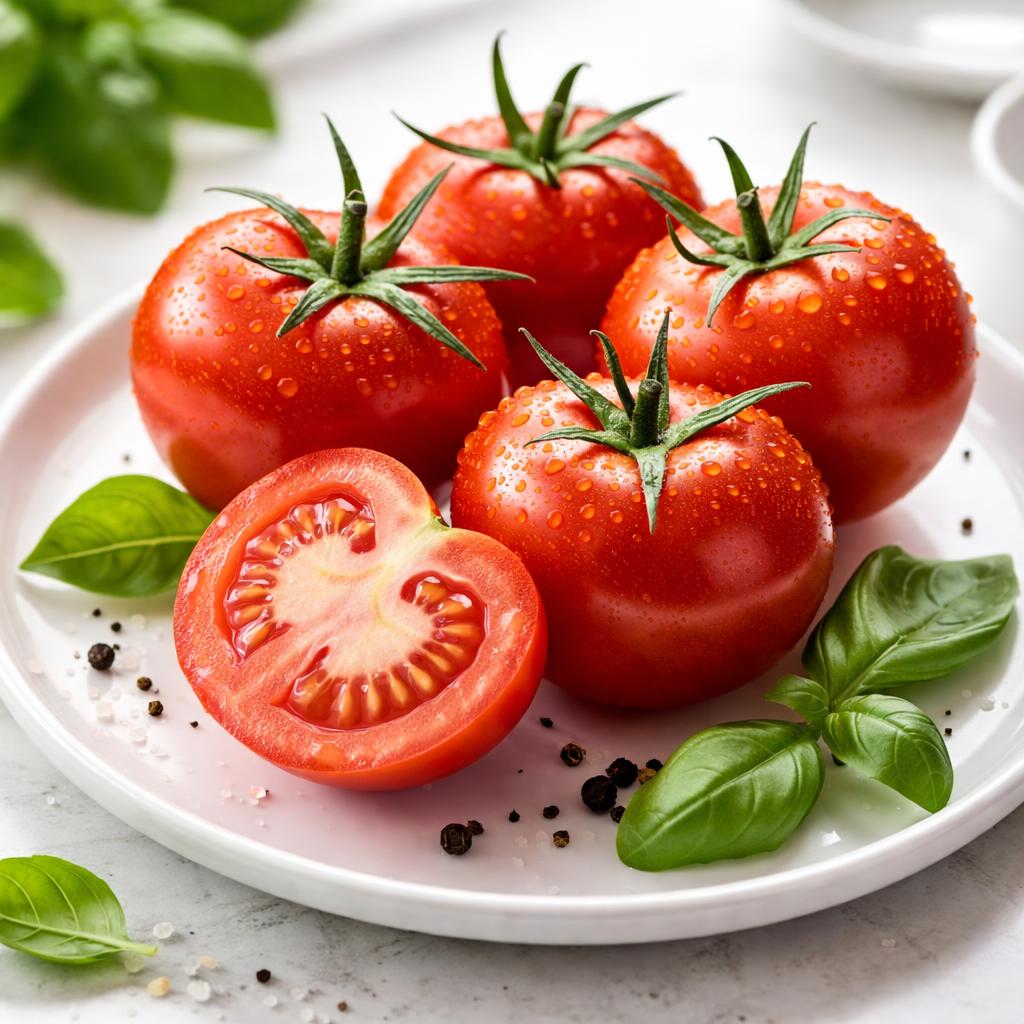
Tomato

Okra
🎯 Quick Verdict
Okra edges out tomatoes in overall nutrition by offering more protein and fiber, making it a better choice for satiety and digestive health. Both are low-calorie foods rich in vitamins, but tomatoes shine in vitamin C content, while okra provides notable amounts of folate and vitamin K. Tomatoes are great raw or in salads, whereas okra suits cooked dishes like soups or stir-fries.

Smart Nutrition Tracking with SnapCalorie

📊 Nutritional Comparison
Macronutrients
| Nutrient | Food 1 | Food 2 | Winner |
|---|---|---|---|
| Calories | 18 (per 100g) | 33 (per 100g) | − |
| Protein | 0.9g | 2g | ✓ |
| Carbs | 3.9g | 7.5g | ✓ |
| Fat | 0.2g | 0.1g | ✓ |
| Fiber | 1.2g | 3.2g | ✓ |
Vitamins & Minerals
| Nutrient | Food 1 | Food 2 | Winner |
|---|---|---|---|
| Vitamin C | 23mg | 21mg | ✓ |
| Vitamin K | 7mcg | 31mcg | ✓ |
| Folate | 15mcg | 60mcg | ✓ |
| Potassium | 237mg | 299mg | ✓ |
🏆 Category Winners
Protein
Okra provides over twice the protein of tomatoes per 100g.
Fiber
Okra has nearly three times the fiber of tomatoes per serving.
Calories
Both foods are low in calories.
Vitamins
Okra excels in folate, vitamin K, and potassium levels compared to tomatoes.
🥗 Diet Compatibility
Keto
Food 1: Compatible
Food 2: Compatible
Both are relatively low in carbs and suitable for keto diets.
Vegan
Food 1: Compatible
Food 2: Compatible
Both foods are plant-based and fit vegan diets.
Gluten Free
Food 1: Compatible
Food 2: Compatible
Both foods are naturally gluten-free.
Paleo
Food 1: Compatible
Food 2: Compatible
Both can be consumed on a paleo diet.
Low Carb
Food 1: Better Option
Food 2: Compatible
Tomatoes are slightly lower in carbs than okra, making them ideal for stricter low-carb diets.
💪 Health Benefits Comparison
Food 1 Benefits
- High in vitamin C for immunity and skin health
- Contains antioxidants like lycopene for heart health
- Low in calories, great for weight management
Food 2 Benefits
- Rich in fiber for improved digestion
- Good source of folate, important for cell health and pregnancy
- Provides vitamin K for bone health
✅ The Bottom Line
Tomatoes and okra are both nutrient-rich vegetables with complementary benefits. Tomatoes stand out in vitamin C and antioxidants, making them ideal for raw use in salads or snacks. Okra, however, offers more protein and fiber, along with potassium and vitamin K, making it better for heart health and satiety, especially in cooked dishes.
Choose Food 1 for: Raw dishes, salads, snacks, antioxidant boost
Choose Food 2 for: Cooked dishes, heart health, digestive support, pregnancy nutrition


