Tomato VS Lemon Wedge
A detailed nutritional comparison
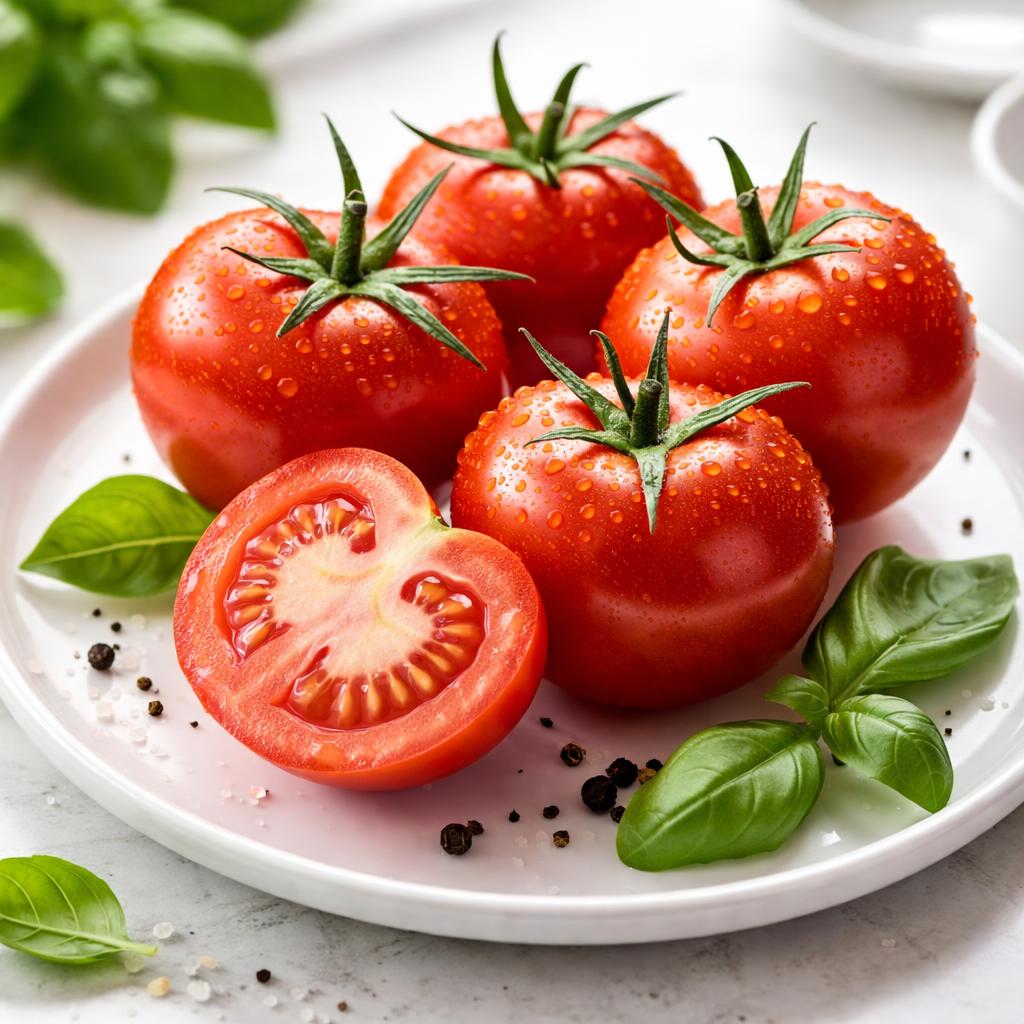
Tomato

Lemon Wedge
🎯 Quick Verdict
Tomatoes are more nutrient-dense overall, providing higher amounts of protein, fiber, and vitamins. Lemon wedges are lower in calories but primarily serve as a source of vitamin C and flavor enhancement rather than broad nutrition. While tomatoes work well as a snack or ingredient, lemons are best used in beverages or for flavoring dishes.

Smart Nutrition Tracking with SnapCalorie

📊 Nutritional Comparison
Macronutrients
| Nutrient | Food 1 | Food 2 | Winner |
|---|---|---|---|
| Calories | 18 calories (100g) | 4 calories (1 wedge or ~8g) | ✓ |
| Protein | 0.9g | 0.1g | ✓ |
| Carbs | 3.9g | 1.0g | ✓ |
| Fat | 0.2g | 0.0g | ✓ |
| Fiber | 1.2g | 0.1g | ✓ |
Vitamins & Minerals
| Nutrient | Food 1 | Food 2 | Winner |
|---|---|---|---|
| Vitamin C | 13.7mg | 4.5mg | ✓ |
| Vitamin A | 42mcg | 0mcg | ✓ |
| Potassium | 237mg | 20mg | ✓ |
🏆 Category Winners
Protein
Tomatoes contain significantly more protein per serving (0.9g vs lemon's 0.1g).
Fiber
Tomatoes offer 1.2g of fiber per 100g, compared to only 0.1g in lemons.
Calories
Lemon wedges contain fewer calories (4 calories per wedge vs 18 calories per 100g of tomato).
🥗 Diet Compatibility
Keto
Food 1: Compatible
Food 2: Compatible
Both foods are low in carbs and suitable for keto diets.
Vegan
Food 1: Compatible
Food 2: Compatible
Both foods are plant-based and inherently vegan.
Gluten Free
Food 1: Compatible
Food 2: Compatible
Neither food contains gluten.
Paleo
Food 1: Compatible
Food 2: Compatible
Both are whole, unprocessed foods and paleo-friendly.
Low Carb
Food 1: Compatible
Food 2: Compatible
The carb content in both foods is minimal and acceptable for low-carb diets.
💪 Health Benefits Comparison
Food 1 Benefits
- Rich in antioxidants like lycopene for heart health
- Good source of potassium for muscle function
- High in vitamin C to boost immune health
Food 2 Benefits
- Supports hydration due to its high water content
- Provides vitamin C for skin and immune health
- May aid in digestion when added to water or meals
✅ The Bottom Line
Tomatoes are the clear winner for overall nutrition, offering a balance of fiber, protein, vitamins, and minerals. Lemon wedges are best when you need a low-calorie flavor enhancer or quick boost of vitamin C. Choose tomatoes for everyday consumption and lemons for beverages or garnishes.
Choose Food 1 for: Daily snacking, salads, general health benefits
Choose Food 2 for: Flavor enhancement, hydration, vitamin C boost


