Tomato VS Lemon
A detailed nutritional comparison
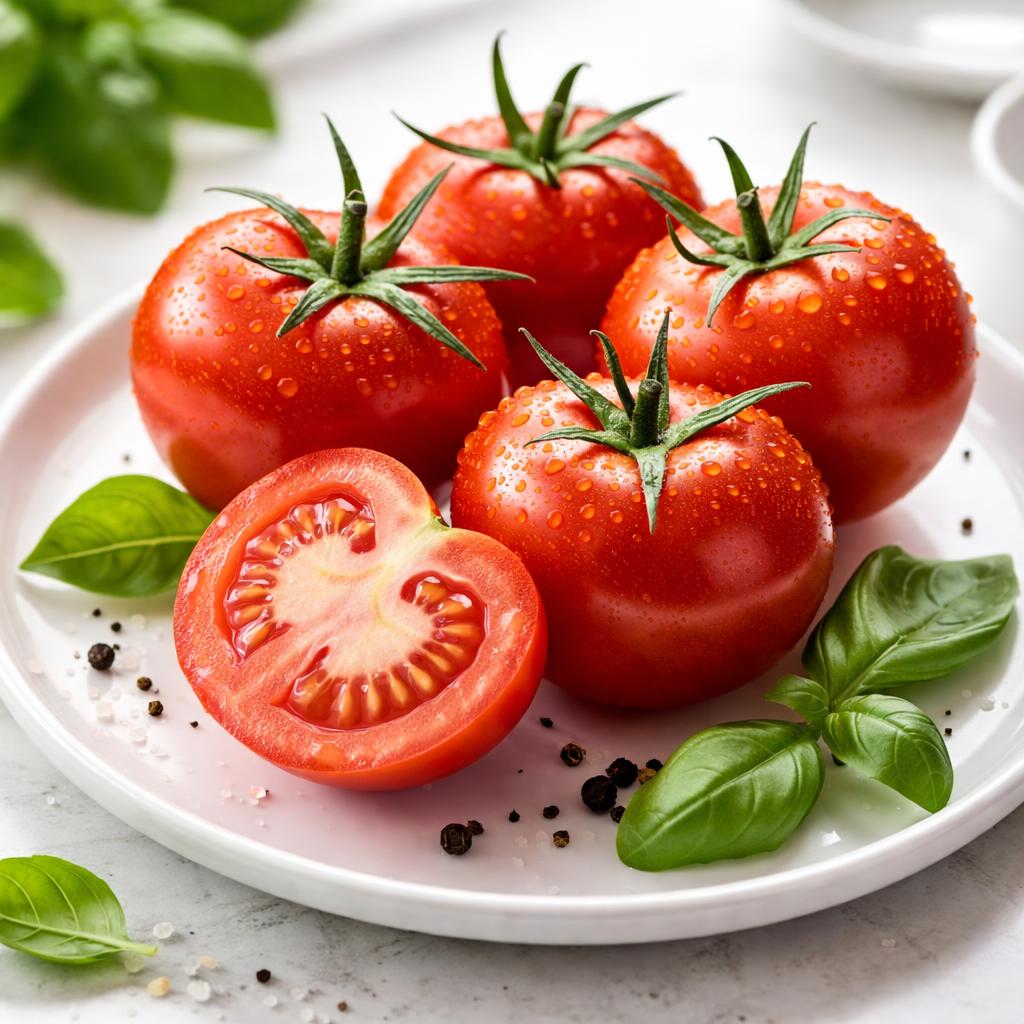
Tomato

Lemon
🎯 Quick Verdict
Tomatoes and lemons are both low-calorie, nutrient-dense options. Tomatoes are higher in protein and vitamin A, making them ideal for general nutrition. Lemons excel in fiber and vitamin C content, perfect for digestion and immune health. Each food serves unique dietary needs and can complement balanced diets effectively.

Smart Nutrition Tracking with SnapCalorie

📊 Nutritional Comparison
Macronutrients
| Nutrient | Food 1 | Food 2 | Winner |
|---|---|---|---|
| Calories | 18 per 100g | 17 per 100g | − |
| Protein | 0.9g | 0.6g | − |
| Carbs | 3.9g | 5.5g | − |
| Fat | 0.2g | 0.3g | − |
| Fiber | 1.2g | 2.8g | − |
Vitamins & Minerals
| Nutrient | Food 1 | Food 2 | Winner |
|---|---|---|---|
| Vitamin C | 19.1mg | 53mg | − |
| Vitamin A | 833 IU | 55 IU | − |
| Calcium | 10mg | 26mg | − |
🏆 Category Winners
Protein
Tomato has 50% more protein compared to lemon.
Fiber
Lemon provides over double the fiber content of tomatoes.
Calories
Both foods are nearly identical in calorie content per serving.
Vitamins
Lemon is significantly higher in vitamin C and calcium, while still providing notable nutrients.
🥗 Diet Compatibility
Keto
Food 1: Compatible
Food 2: Compatible
Both foods are low-carb and suitable for keto diets.
Vegan
Food 1: Compatible
Food 2: Compatible
Both are plant-based and vegan-friendly.
Gluten Free
Food 1: Compatible
Food 2: Compatible
Neither contains gluten.
Paleo
Food 1: Compatible
Food 2: Compatible
Both are paleo-compliant as unprocessed plant foods.
Low Carb
Food 1: Compatible
Food 2: Compatible
Both foods are naturally low in carbs and ideal for low-carb diets.
💪 Health Benefits Comparison
Food 1 Benefits
- Rich in antioxidants like lycopene for skin and heart health
- Moderate source of vitamin A for eye health
- Low in calories and high in hydration, aiding weight management
Food 2 Benefits
- Excellent source of vitamin C for immune system support
- High in fiber, aiding digestion and gut health
- Contains potassium for electrolyte balance and cardiovascular health
✅ The Bottom Line
Each food has unique benefits: Choose tomatoes for a versatile nutrient boost and antioxidants. Select lemons for improved digestion and immune health. Together, they complement many dishes with their vibrant flavors and nutritional perks.
Choose Food 1 for: Antioxidant intake, hydration, general nutrition
Choose Food 2 for: Immune support, digestion, flavor enhancement


