Tomato VS Kale
A detailed nutritional comparison
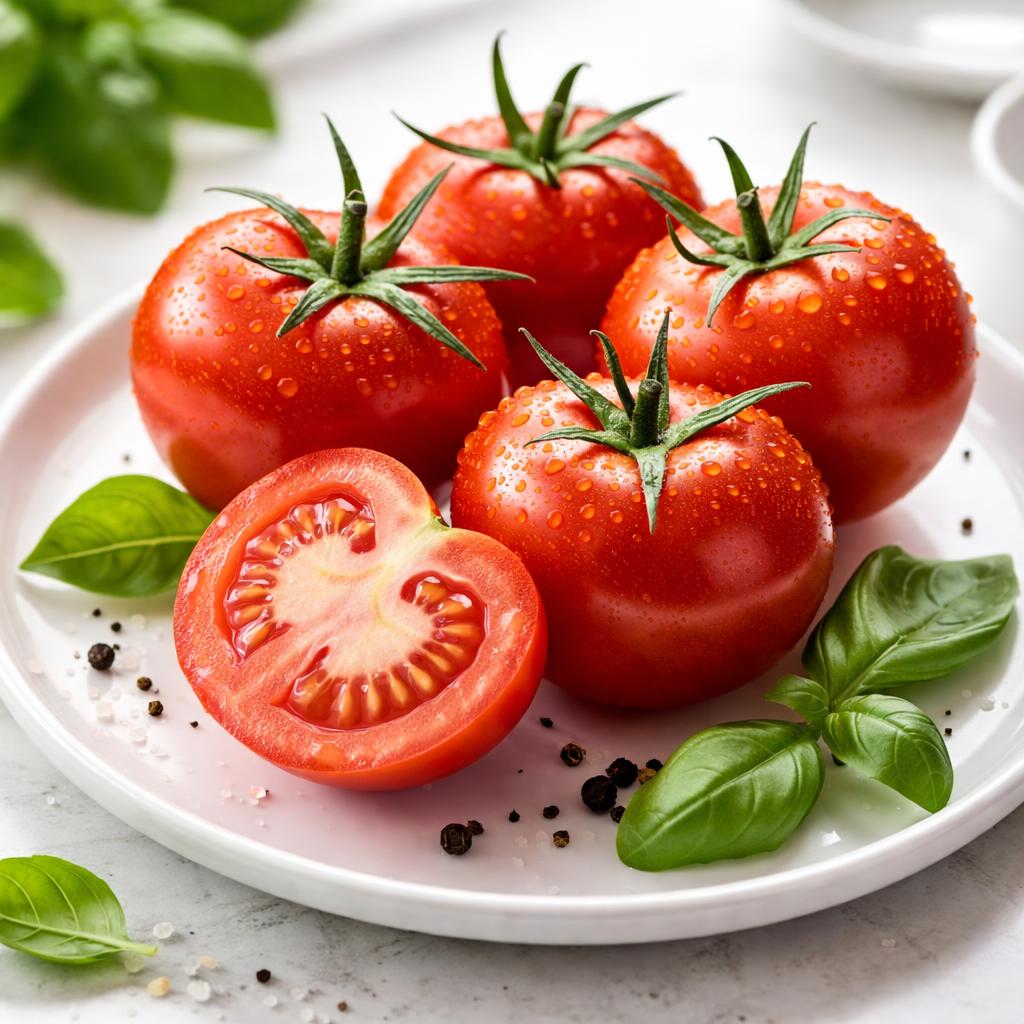
Tomato
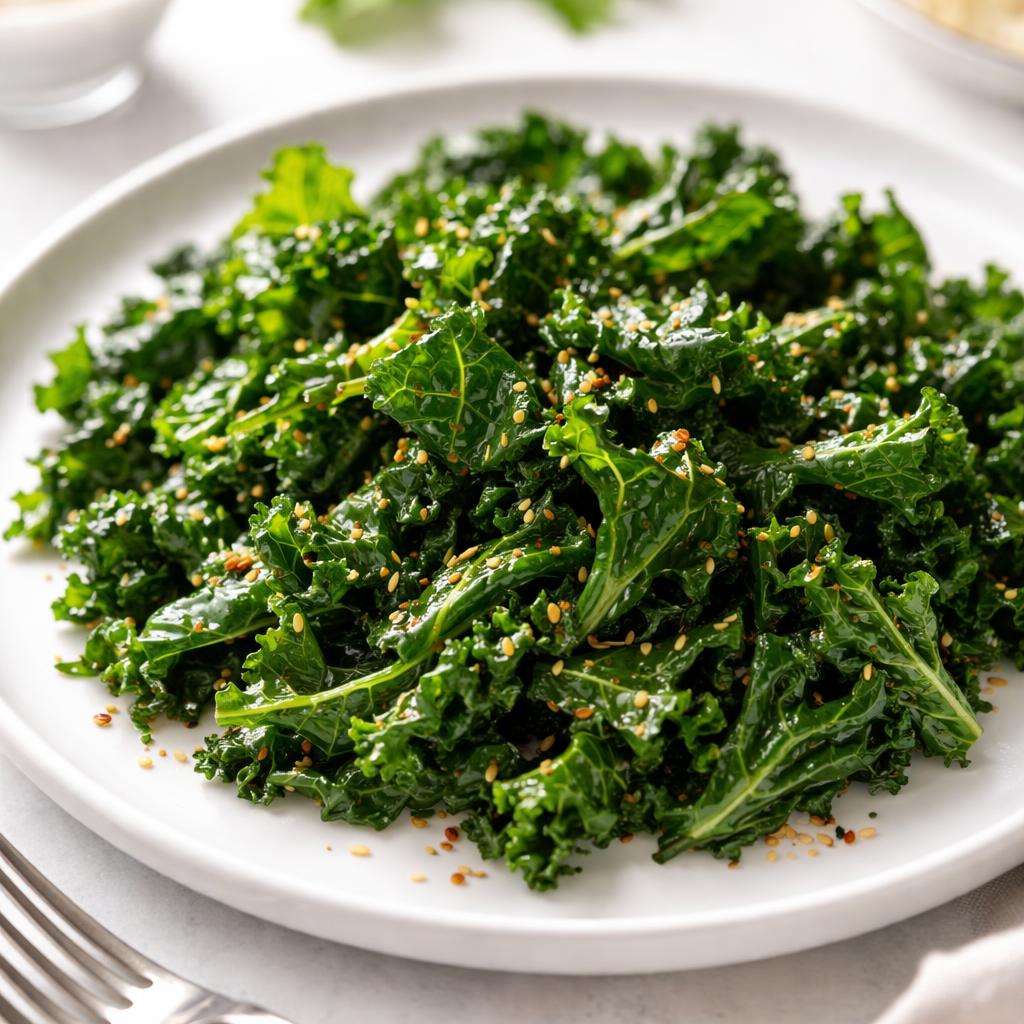
Kale
🎯 Quick Verdict
Kale outpaces tomatoes in protein and fiber, making it ideal for those prioritizing nutrient density. Tomatoes, however, offer higher water content and are excellent for hydration. Kale shines in terms of micronutrients like vitamin K and calcium, whereas tomatoes are rich in vitamin C and lycopene. Both foods are low-calorie and versatile in diets like vegan, gluten-free, and paleo plans.

Smart Nutrition Tracking with SnapCalorie

📊 Nutritional Comparison
Macronutrients
| Nutrient | Food 1 | Food 2 | Winner |
|---|---|---|---|
| Calories | 18 (per 100g) | 35 (per 100g) | ✓ |
| Protein | 0.9g | 2.9g | ✓ |
| Carbs | 3.9g | 4.4g | ✓ |
| Fat | 0.2g | 0.4g | ✓ |
| Fiber | 1.2g | 4.1g | ✓ |
Vitamins & Minerals
| Nutrient | Food 1 | Food 2 | Winner |
|---|---|---|---|
| Vitamin C | 23mg | 93mg | ✓ |
| Vitamin K | 9.7mcg | 389mcg | ✓ |
| Calcium | 10mg | 150mg | ✓ |
| Iron | 0.3mg | 1.5mg | ✓ |
| Vitamin A | 833 IU | 4812 IU | ✓ |
🏆 Category Winners
Protein
Kale has over three times the protein per serving compared to tomatoes.
Fiber
Kale has over three times more fiber than tomatoes, aiding digestion and gut health.
Calories
Both foods are very low in calories, making them excellent for weight management.
Vitamins
Kale dominates in most vitamins like C, K, A, and minerals like iron and calcium.
🥗 Diet Compatibility
Keto
Food 1: Compatible
Food 2: Compatible
Both are low-carb foods suitable for keto diets.
Vegan
Food 1: Compatible
Food 2: Compatible
Both foods are plant-based and perfect for vegan diets.
Gluten Free
Food 1: Compatible
Food 2: Compatible
Neither contains gluten, making them safe for gluten-sensitive individuals.
Paleo
Food 1: Compatible
Food 2: Compatible
Both are whole foods that align well with paleo dietary principles.
Low-Carb
Food 1: Compatible
Food 2: Compatible
Both foods have minimal carbs per serving and fit into low-carb plans.
💪 Health Benefits Comparison
Food 1 Benefits
- High water content for hydration
- Rich in vitamin C for immune system support
- Contains lycopene, a powerful antioxidant
- Low in calories and fat for weight management
Food 2 Benefits
- Rich in fiber for digestive health
- Loaded with vitamin K for bone health and blood clotting
- High in calcium for strong bones
- Contains antioxidants for reducing inflammation
✅ The Bottom Line
Choose kale when seeking nutrient density, particularly for bone health, digestion, and antioxidants. Opt for tomatoes when aiming for hydration, antioxidant support, and lighter calorie options. Both are excellent exercises in versatility and balanced nutrition.
Choose Food 1 for: Hydration, immune support, antioxidant benefits
Choose Food 2 for: Bone health, digestion, overall nutrient density


