Tomato VS Kalamata Olives
A detailed nutritional comparison
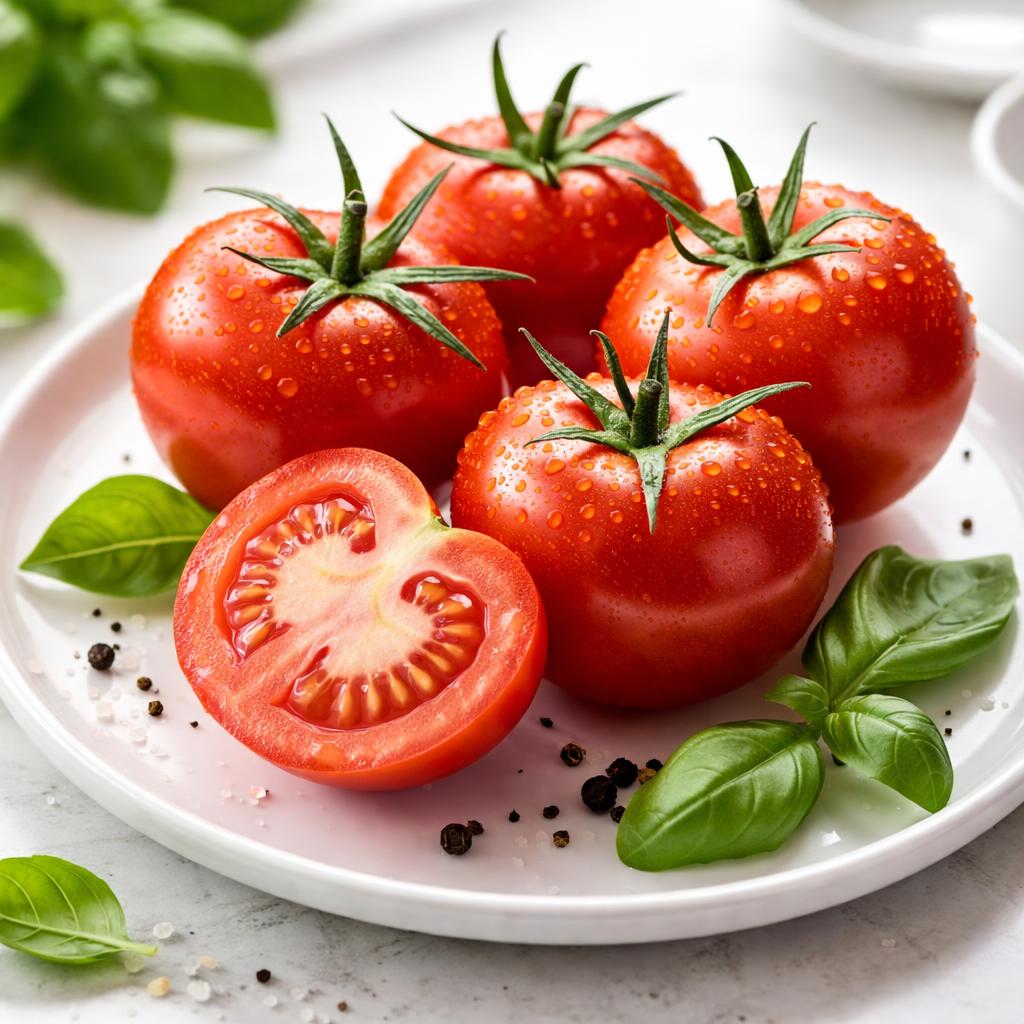
Tomato
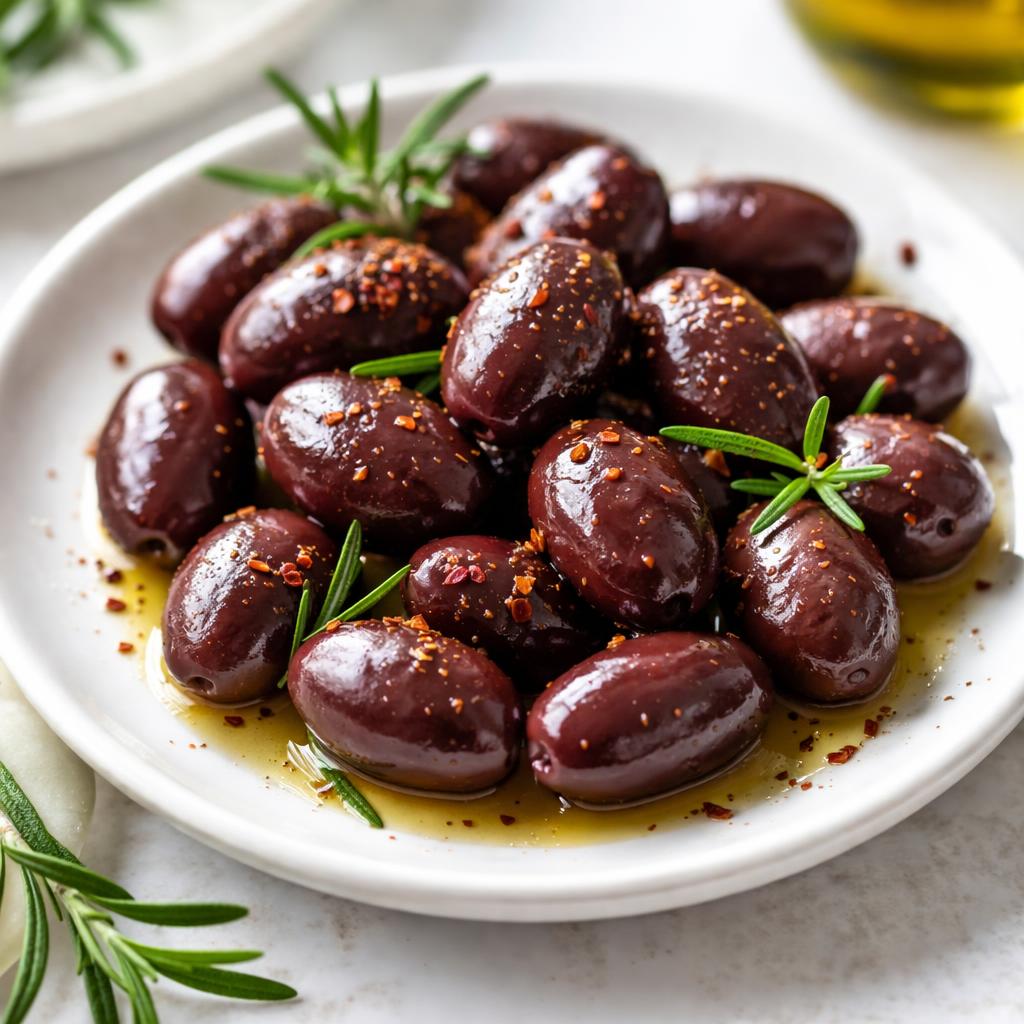
Kalamata Olives
🎯 Quick Verdict
Tomatoes are low-calorie, hydrating, and packed with vitamin C, making them ideal for weight loss and refreshing meals. Kalamata olives are richer in calories and healthy fats, with slightly higher protein and fiber content, making them better suited for heart health and energy-sustaining diets. Both are vegan and gluten-free options with unique health benefits.

Smart Nutrition Tracking with SnapCalorie

📊 Nutritional Comparison
Macronutrients
| Nutrient | Food 1 | Food 2 | Winner |
|---|---|---|---|
| Calories | 18 | 230 | ✓ |
| Protein | 0.9g | 2g | ✓ |
| Carbs | 3.9g | 1.7g | ✓ |
| Fat | 0.2g | 21g | ✓ |
| Fiber | 1.2g | 3g | ✓ |
Vitamins & Minerals
| Nutrient | Food 1 | Food 2 | Winner |
|---|---|---|---|
| Vitamin C | 13.7mg | 0mg | ✓ |
| Vitamin A | 833IU | 403IU | ✓ |
| Iron | 0.3mg | 1.1mg | ✓ |
| Calcium | 10mg | 88mg | ✓ |
🏆 Category Winners
Protein
Kalamata olives have over twice the protein content per serving compared to tomatoes (2g vs 0.9g).
Fiber
Kalamata olives provide 150% more fiber than tomatoes (3g vs 1.2g).
Calories
Tomatoes are extremely low in calories (18 per serving vs 230 for kalamata olives).
Vitamins
Tomatoes excel in vitamins like vitamin C and A, which olives lack significantly.
🥗 Diet Compatibility
Keto
Food 1: Not Compatible
Food 2: Compatible
Kalamata olives are high-fat and low-carb, fitting into a ketogenic diet.
Vegan
Food 1: Compatible
Food 2: Compatible
Both are plant-based and vegan-friendly options.
Gluten Free
Food 1: Compatible
Food 2: Compatible
Neither contains gluten, making them safe for gluten-free diets.
Paleo
Food 1: Compatible
Food 2: Compatible
Both are whole, unprocessed foods suitable for the Paleo diet.
Low-Carb
Food 1: Not Compatible
Food 2: Compatible
Tomatoes are moderate in carbs, while kalamata olives are low-carb (1.7g per serving).
💪 Health Benefits Comparison
Food 1 Benefits
- Low-calorie and hydrating, ideal for weight loss.
- Rich in vitamin C, which supports immune function.
- Contains antioxidants like lycopene for skin health.
Food 2 Benefits
- High in monounsaturated fats for heart health.
- Rich in fiber for digestive health.
- Provides essential minerals like iron and calcium for bone health.
✅ The Bottom Line
Tomatoes are the right choice if you're prioritizing low-calorie, vitamin-rich foods for weight loss or general hydration. Kalamata olives are better for high-fat, low-carb diets like keto and offer sustained energy and heart health benefits. Both can complement healthy meals depending on your dietary goals.
Choose Food 1 for: Weight loss, hydration, vitamin boost
Choose Food 2 for: Heart health, keto diets, nutrient density


