Tomato VS Green Salad
A detailed nutritional comparison
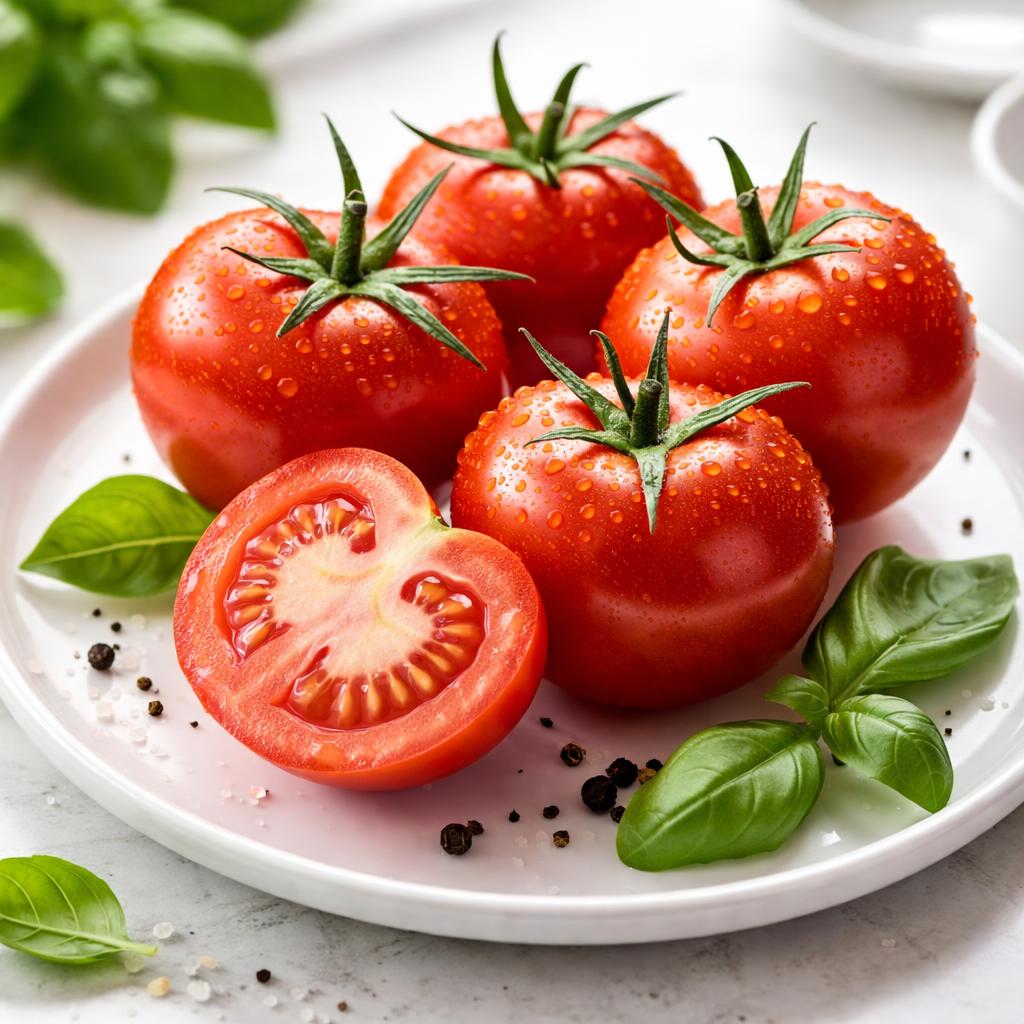
Tomato
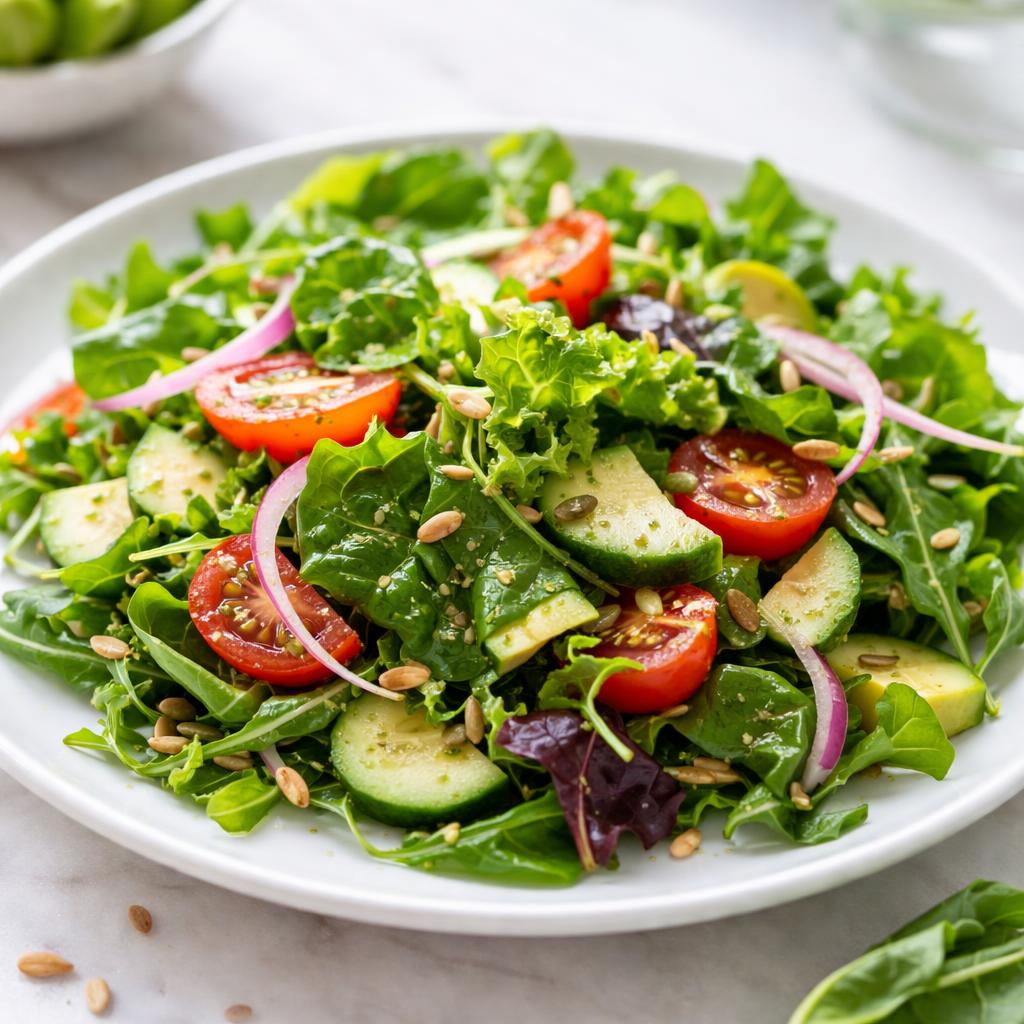
Green Salad
🎯 Quick Verdict
Tomatoes and green salad are both low-calorie, nutrient-dense options, but they differ in macronutrient content. Green salad edges out with more protein and fiber, whereas tomatoes provide slightly more vitamins. Both are ideal for various diets, with tomatoes being rich in antioxidants and green salad offering greater mineral density.

Smart Nutrition Tracking with SnapCalorie

📊 Nutritional Comparison
Macronutrients
| Nutrient | Food 1 | Food 2 | Winner |
|---|---|---|---|
| Calories | 18 per 100g | 15 per 100g | − |
| Protein | 0.9g per 100g | 1.2g per 100g | ✓ |
| Carbs | 3.9g per 100g | 2.9g per 100g | ✓ |
| Fat | 0.2g per 100g | 0.6g per 100g | ✓ |
| Fiber | 1.2g per 100g | 2.5g per 100g | ✓ |
Vitamins & Minerals
| Nutrient | Food 1 | Food 2 | Winner |
|---|---|---|---|
| Vitamin C | 13.7mg per 100g | 9mg per 100g | ✓ |
| Vitamin A | 833 IU per 100g | 280 IU per 100g | ✓ |
| Vitamin K | 7.9mcg per 100g | 140mcg per 100g | ✓ |
| Potassium | 237mg per 100g | 194mg per 100g | ✓ |
🏆 Category Winners
Protein
Green salad has 33% more protein compared to tomatoes.
Fiber
Green salad provides over twice the fiber of tomatoes.
Calories
Both foods have similarly low calorie levels, making them ideal for weight management.
Vitamins
Tomatoes excel in Vitamin C and A, while green salad dominates Vitamin K content.
🥗 Diet Compatibility
Keto
Food 1: Compatible
Food 2: Compatible
Both are low-carb and suitable for ketogenic diets.
Vegan
Food 1: Compatible
Food 2: Compatible
Both are plant-based and suitable for vegan diets.
Gluten Free
Food 1: Compatible
Food 2: Compatible
Neither contains gluten.
Paleo
Food 1: Compatible
Food 2: Compatible
Both are whole, unprocessed foods suitable for paleo diets.
Low-Carb
Food 1: Compatible
Food 2: Compatible
Both foods have under 4g of carbs per 100g.
💪 Health Benefits Comparison
Food 1 Benefits
- Rich in Vitamin C for immunity and skin health
- Contains lycopene, an antioxidant that supports heart health
- Low in calories, ideal for weight management
- Provides potassium to support hydration and muscle function
Food 2 Benefits
- Higher fiber content supports digestion and gut health
- Contains Vitamin K for bone health and blood clotting
- Rich in minerals like iron and magnesium for energy and overall health
- Low in calories and carbs, suitable for many weight-loss diets
✅ The Bottom Line
Tomatoes and green salad are fantastic low-calorie, nutrient-dense choices for any diet. Choose tomatoes for antioxidants and vitamins like C and A, and opt for green salad if you need more fiber and protein. Both are versatile and complement a wide array of meals.
Choose Food 1 for: Immunity boost, antioxidant intake, hydration support
Choose Food 2 for: Digestive health, higher fiber diets, bone strength


