Tomato VS Green Peppers
A detailed nutritional comparison
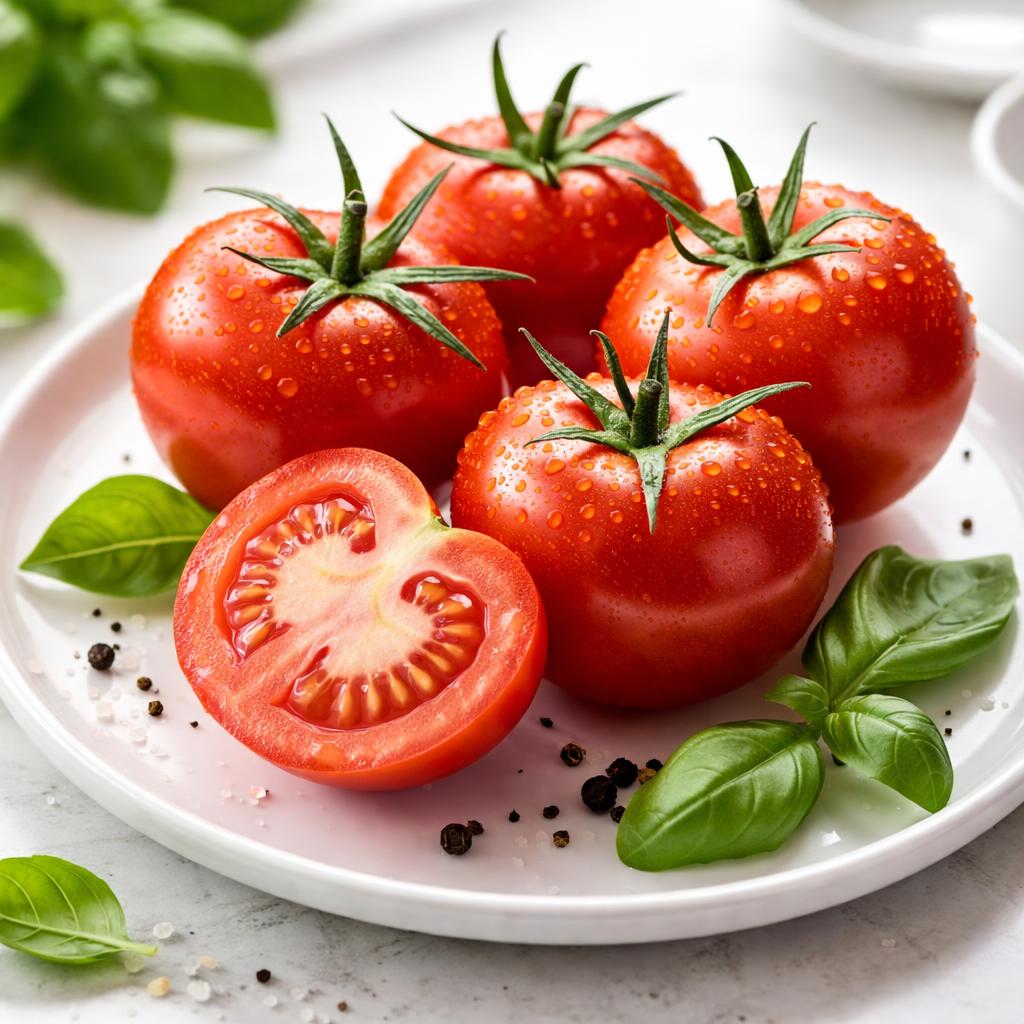
Tomato
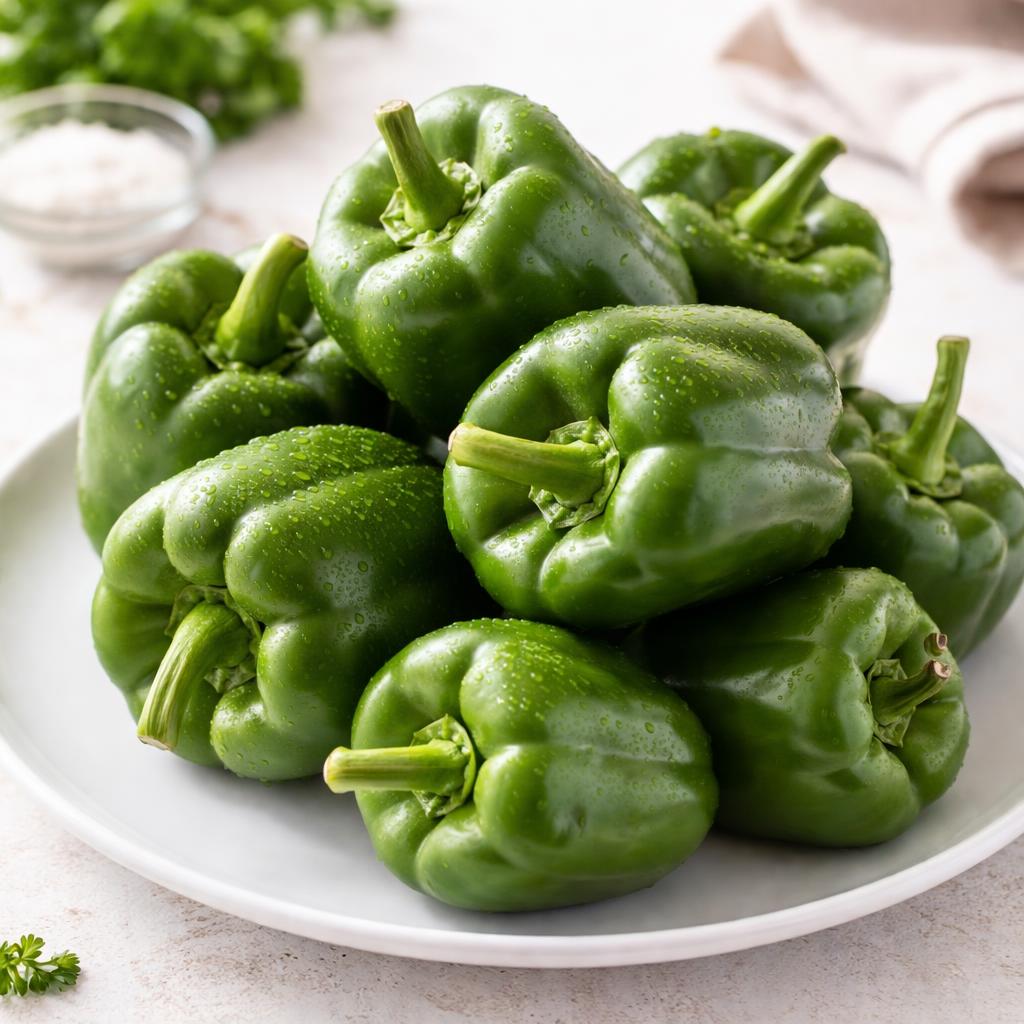
Green Peppers
🎯 Quick Verdict
Tomatoes and green peppers are both low-calorie, nutrient-dense vegetables suitable for a healthy diet. Green peppers have an edge in vitamin C and overall vitamin content, while both foods provide similar fiber and protein. Tomatoes stand out for their lycopene content, benefiting heart and skin health. Both are versatile in salads, soups, and cooking uses.

Smart Nutrition Tracking with SnapCalorie

📊 Nutritional Comparison
Macronutrients
| Nutrient | Food 1 | Food 2 | Winner |
|---|---|---|---|
| Calories | 18 | 20 | − |
| Protein | 0.9g | 0.9g | − |
| Carbs | 3.9g | 4.6g | − |
| Fat | 0.2g | 0.2g | − |
| Fiber | 1.2g | 1.3g | − |
Vitamins & Minerals
| Nutrient | Food 1 | Food 2 | Winner |
|---|---|---|---|
| Vitamin C | 23mg | 80mg | − |
| Vitamin A | 833IU | 370IU | − |
| Vitamin K | 7.9mcg | 9.9mcg | − |
🏆 Category Winners
Protein
Both foods contain 0.9g of protein per 100g serving.
Fiber
Both foods provide similar amounts of fiber, with 1.2-1.3g per serving.
Calories
Both are low-calorie, with only an 18-20 calorie range per serving.
Vitamins
Green peppers offer significantly higher Vitamin C, with 80mg compared to 23mg in tomatoes.
🥗 Diet Compatibility
Keto
Food 1: Compatible
Food 2: Compatible
Both foods are low-carb and suitable for keto diets (below 5g carbs per serving).
Vegan
Food 1: Compatible
Food 2: Compatible
Both are plant-based and appropriate for vegan diets.
Gluten Free
Food 1: Compatible
Food 2: Compatible
Neither food contains gluten.
Paleo
Food 1: Compatible
Food 2: Compatible
Both are whole, unprocessed vegetables perfect for paleo diets.
Low Carb
Food 1: Compatible
Food 2: Compatible
Both are very low-carb options.
💪 Health Benefits Comparison
Food 1 Benefits
- Rich in lycopene, a potent antioxidant that aids heart health and reduces skin damage from UV rays
- Contains vitamin A for eye health and immune support
- Low calorie and hydrating, ideal for weight loss and hydration
Food 2 Benefits
- High in vitamin C, supporting immunity and collagen production
- Rich in fiber for digestive health
- Contains potassium for electrolyte balance and muscle function
✅ The Bottom Line
Both tomatoes and green peppers are excellent choices for a nutritious diet. Choose tomatoes for antioxidants like lycopene and green peppers for their higher vitamin C content. Both can be enjoyed raw or cooked for a variety of meals.
Choose Food 1 for: Heart health, antioxidant support, hydration
Choose Food 2 for: Immunity, digestive health, and vitamin-rich diets


