Tomato VS Greek Salad
A detailed nutritional comparison
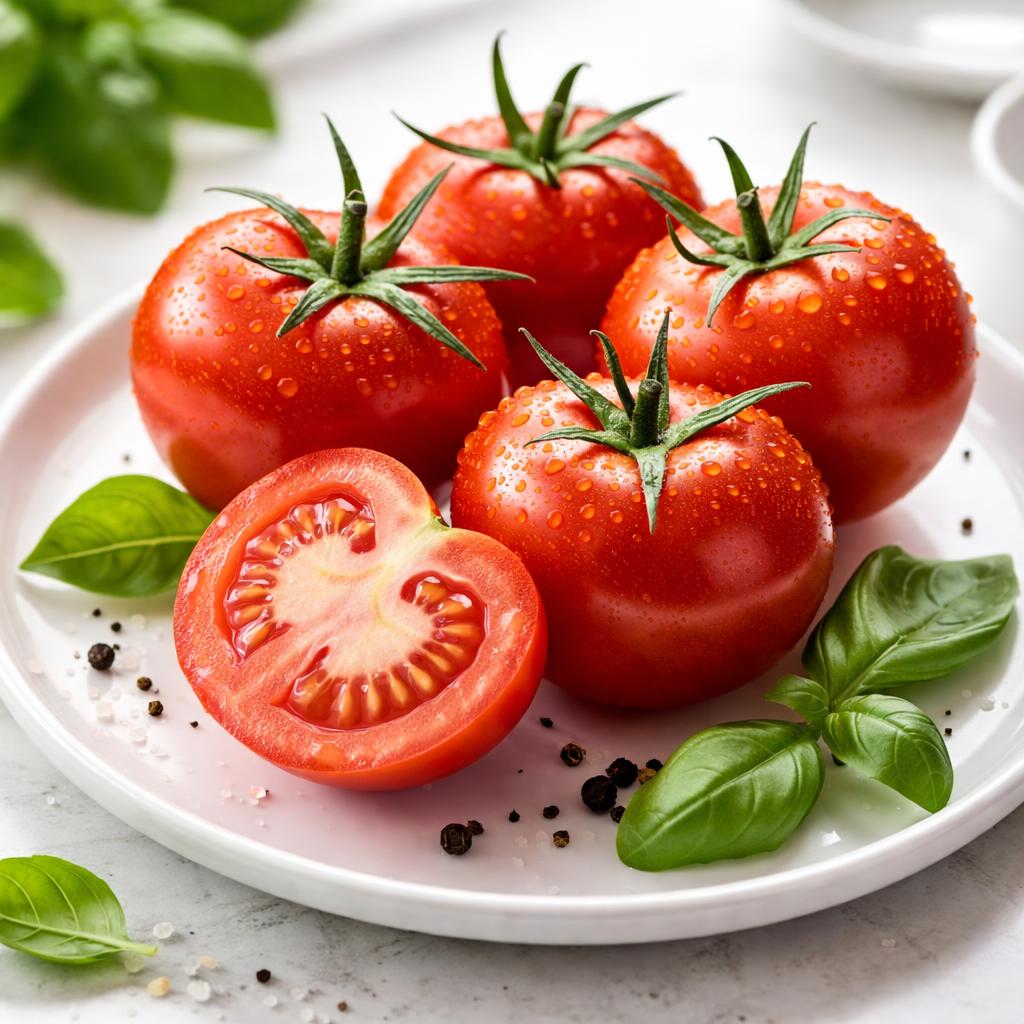
Tomato
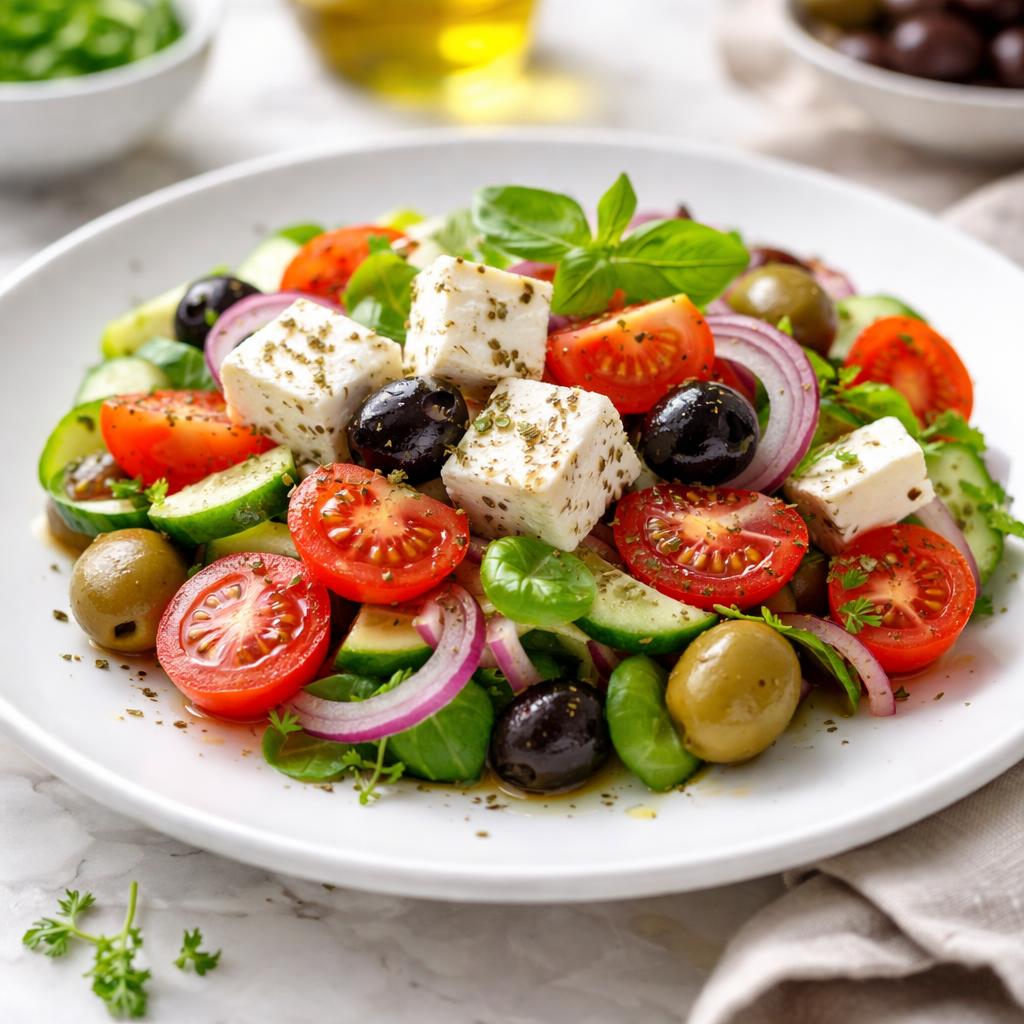
Greek Salad
🎯 Quick Verdict
Tomatoes are a low-calorie, nutrient-rich option with modest fiber and vitamin content, ideal for weight management and hydration. Greek salad, while higher in calories, offers significantly more protein, fiber, and healthy fats, making it a more balanced and satiating choice. Tomatoes are great for light snacks, while Greek salads are perfect for hearty meals with good macronutrient variety.

Smart Nutrition Tracking with SnapCalorie

📊 Nutritional Comparison
Macronutrients
| Nutrient | Food 1 | Food 2 | Winner |
|---|---|---|---|
| Calories | 18 (per 100g) | 150 (per 1-cup serving) | ✓ |
| Protein | 0.9g (per 100g) | 5g | ✓ |
| Carbs | 3.9g (per 100g) | 6g | ✓ |
| Fat | 0.2g (per 100g) | 12g | ✓ |
| Fiber | 1.2g (per 100g) | 2g | ✓ |
Vitamins & Minerals
| Nutrient | Food 1 | Food 2 | Winner |
|---|---|---|---|
| Vitamin C | 13.7mg (per 100g) | 8mg | ✓ |
| Vitamin A | 833 IU (per 100g) | 600 IU | ✓ |
| Calcium | 10mg (per 100g) | 140mg | ✓ |
| Iron | 0.3mg (per 100g) | 0.7mg | ✓ |
🏆 Category Winners
Protein
Greek salad contains approximately 5x more protein than tomatoes due to cheese and olives.
Fiber
Greek salad is higher in fiber, offering 2g per serving compared to 1.2g for tomatoes.
Calories
Tomatoes are much lower in calories, making them ideal for calorie-conscious diets.
Vitamins
Tomatoes offer higher levels of Vitamin C and Vitamin A, beneficial for the immune system and vision.
🥗 Diet Compatibility
Keto
Food 1: Compatible
Food 2: Compatible
Both foods are low-carb and fit within ketogenic macros.
Vegan
Food 1: Compatible
Food 2: Not Compatible
Greek salad typically contains cheese, which is not vegan.
Gluten Free
Food 1: Compatible
Food 2: Compatible
Neither food contains gluten-based ingredients.
Paleo
Food 1: Compatible
Food 2: Partially Compatible
Tomatoes fit the paleo diet, but Greek salad's cheese may not be paleo-compliant.
Low Carb
Food 1: Compatible
Food 2: Compatible
Both foods are low in net carbs, though Greek salad contains more fats.
💪 Health Benefits Comparison
Food 1 Benefits
- Rich in Vitamin C for immune function.
- High water content for hydration.
- Low calorie density, ideal for weight management.
- Rich in antioxidants like lycopene for heart health.
Food 2 Benefits
- Good source of protein for muscle support.
- Rich in calcium for bone health.
- Contains healthy fats from olives for heart health.
- Provides a balance of fiber and nutrients for satiety.
✅ The Bottom Line
Choose tomatoes for low-calorie, nutrient-rich snacking or as a base for recipes. Greek salad is ideal for a balanced, hearty meal with protein, fiber, and healthy fats. Both foods support different dietary goals; tomatoes for weight management and hydration, and Greek salads for sustainable energy and satisfying meals.
Choose Food 1 for: Weight management, hydration, recipes needing fresh produce.
Choose Food 2 for: Meal replacement, balanced nutrition, protein and calcium boost.


