Tomato VS Fried Egg
A detailed nutritional comparison
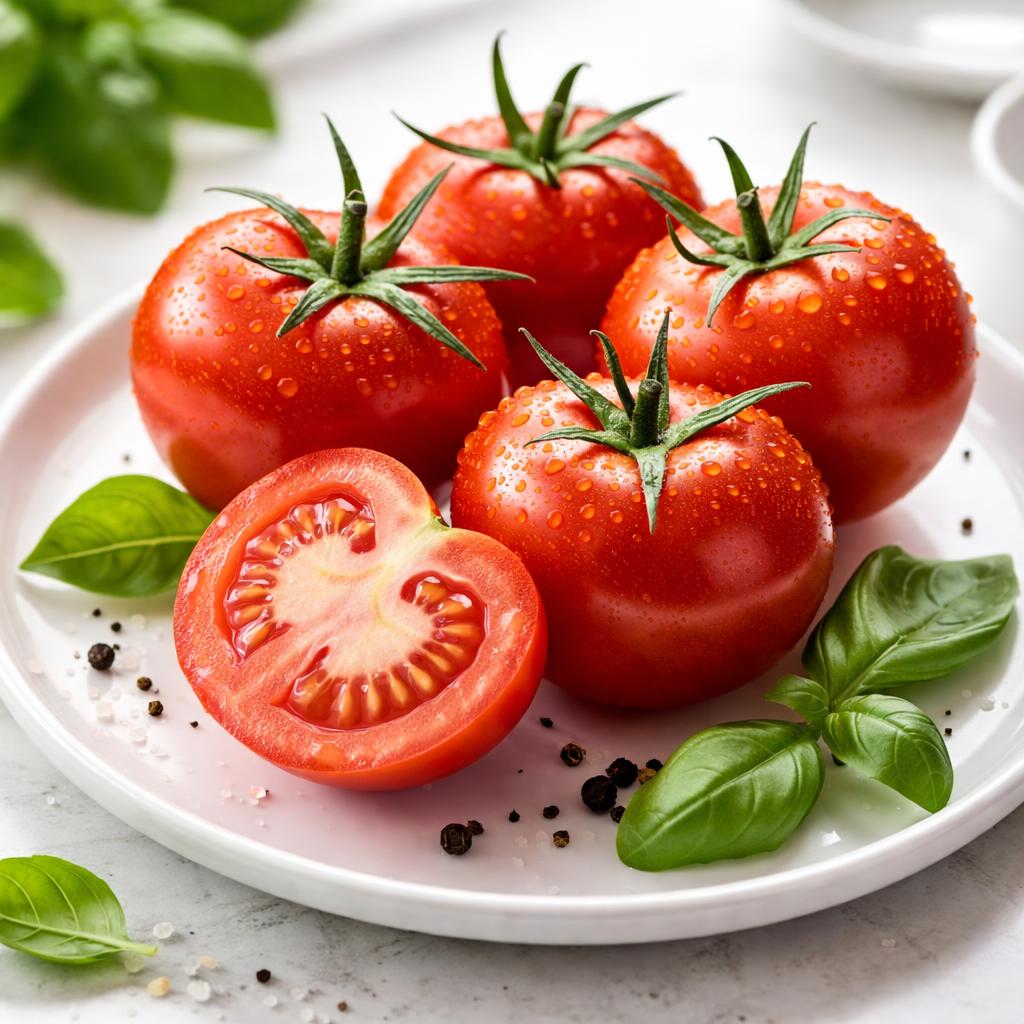
Tomato
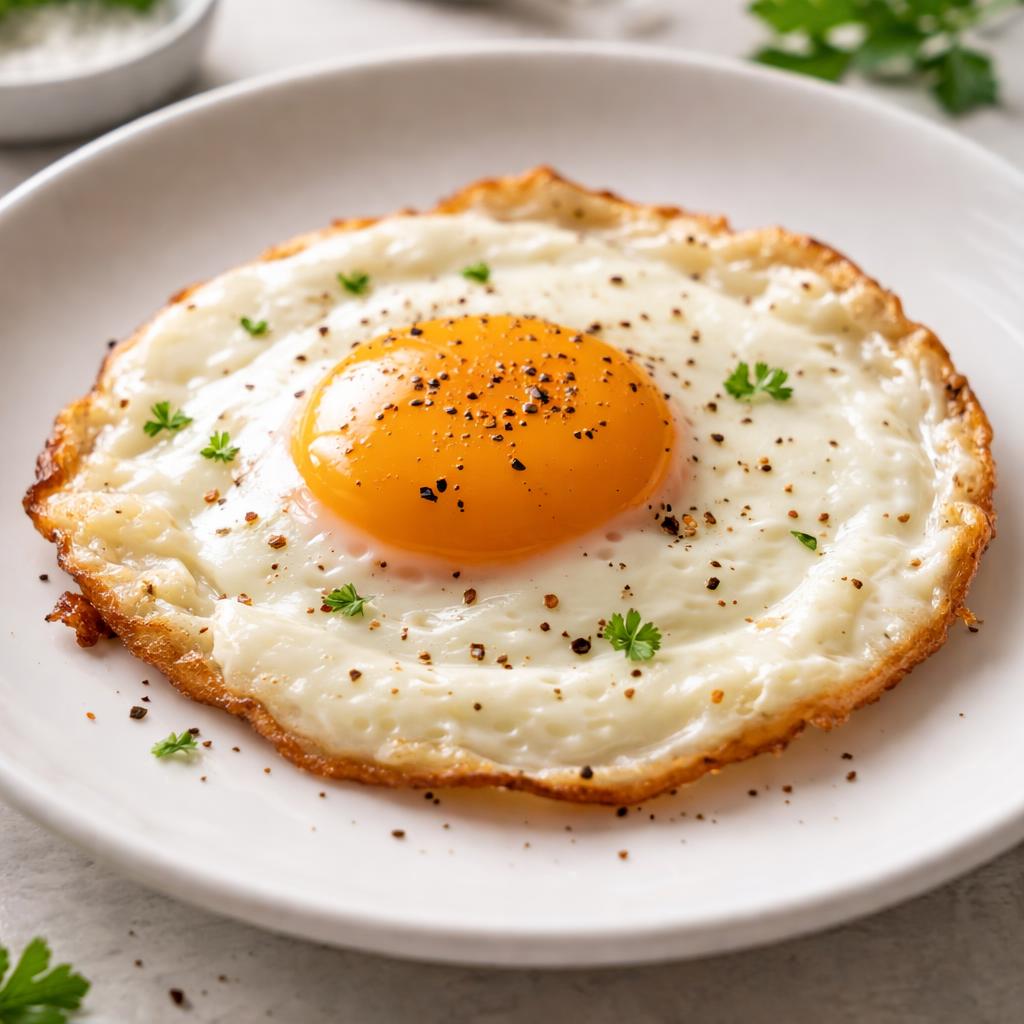
Fried Egg
🎯 Quick Verdict
Tomatoes are low-calorie, high-fiber, and rich in vitamins like Vitamin C, making them great for hydration and overall nutrition. Fried eggs are calorie-dense but provide significantly more protein and healthy fats, making them ideal for muscle recovery or sustained energy. Both have unique strengths depending on dietary goals.

Smart Nutrition Tracking with SnapCalorie

📊 Nutritional Comparison
Macronutrients
| Nutrient | Food 1 | Food 2 | Winner |
|---|---|---|---|
| Calories | 18 | 90 | ✓ |
| Protein | 0.9g | 6g | ✓ |
| Carbs | 3.9g | 0.6g | ✓ |
| Fat | 0.2g | 7g | ✓ |
| Fiber | 1.2g | 0g | ✓ |
Vitamins & Minerals
| Nutrient | Food 1 | Food 2 | Winner |
|---|---|---|---|
| Vitamin A | 1025IU | 270IU | ✓ |
| Vitamin C | 13mg | 0mg | ✓ |
| Vitamin D | 0mcg | 1.6mcg | ✓ |
| Calcium | 10mg | 25mg | ✓ |
| Iron | 0.3mg | 1mg | ✓ |
🏆 Category Winners
Protein
Fried eggs have over 6 times more protein per serving than tomatoes.
Fiber
Tomatoes provide 1.2g of fiber per serving, while fried eggs contain none.
Calories
Tomatoes are extremely low in calories with only 18 per serving.
Vitamins
Tomatoes are rich in Vitamin C and Vitamin A, providing far more nutritional vitamins than fried eggs overall.
🥗 Diet Compatibility
Keto
Food 1: Compatible
Food 2: Compatible
Both foods are low in carbohydrates.
Vegan
Food 1: Compatible
Food 2: Not Compatible
Tomatoes are plant-based, while fried eggs are animal-derived.
Gluten Free
Food 1: Compatible
Food 2: Compatible
Both foods naturally contain no gluten.
Paleo
Food 1: Compatible
Food 2: Compatible
Both are allowed within paleo diets as whole, unprocessed foods.
Low Carb
Food 1: Compatible
Food 2: Compatible
Both foods have low carbohydrate content per serving.
💪 Health Benefits Comparison
Food 1 Benefits
- Rich in Vitamin C for immune support and skin health
- High water content for hydration
- Provides fiber for digestion and gut health
- Contains antioxidants like lycopene, which may reduce inflammation
Food 2 Benefits
- Excellent source of protein for muscle repair and growth
- Contains healthy fats for satiety and heart health
- Rich in Vitamin D and calcium for bone health
- Provides iron, which supports oxygen transport and energy levels
✅ The Bottom Line
Choose tomatoes for low-calorie snacking, hydration, and vitamin support, or fried eggs for protein-packed meals that promote muscle recovery and sustained energy. Both foods offer complementary benefits depending on dietary needs.
Choose Food 1 for: Weight loss, hydration, vitamin boost
Choose Food 2 for: Post-workout recovery, muscle building, energy sustenance


