Tomato VS Fish Curry
A detailed nutritional comparison
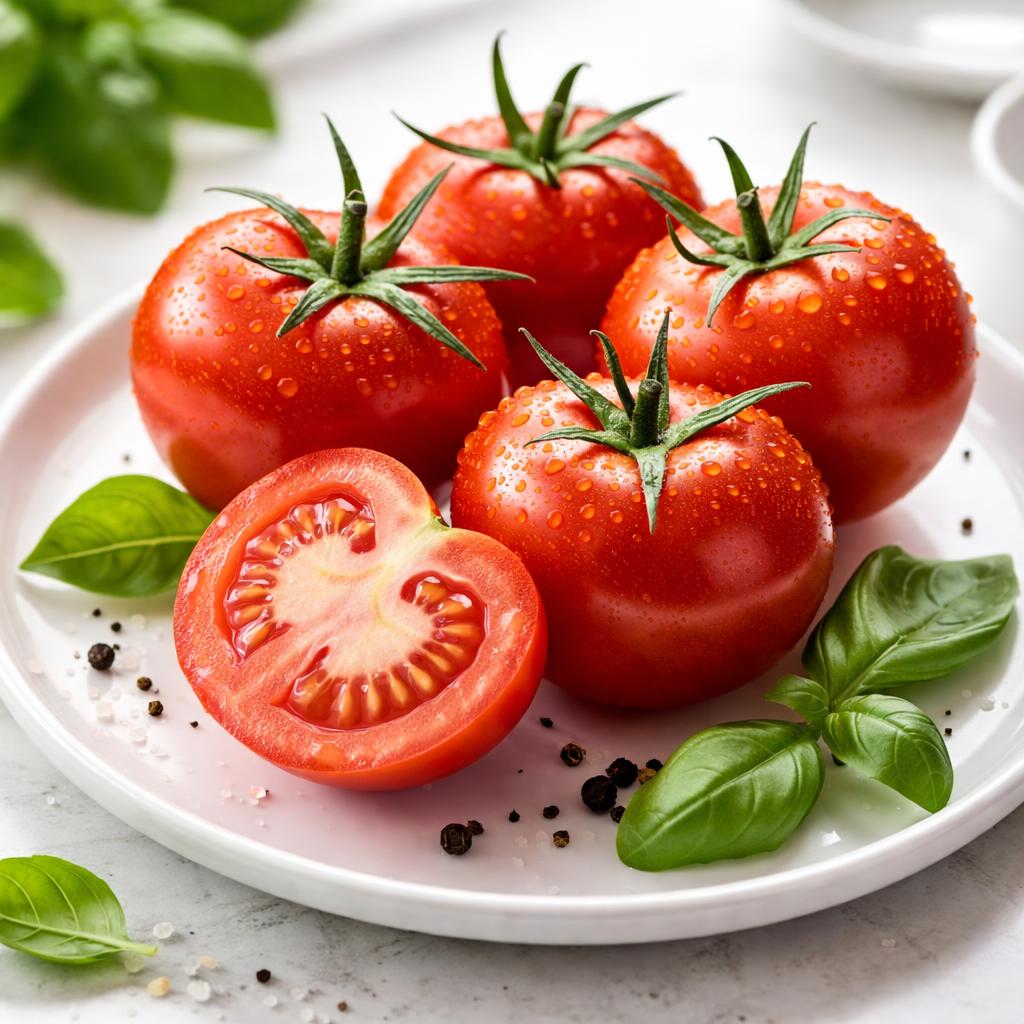
Tomato

Fish Curry
🎯 Quick Verdict
Tomatoes are low-calorie, high-fiber, and rich in vitamin C, making them ideal for weight management and immunity. Fish curry, on the other hand, is protein-rich and nutrient-dense, offering healthy fats and various minerals helpful for muscle growth and heart health. Both are versatile but cater to different dietary needs.

Smart Nutrition Tracking with SnapCalorie

📊 Nutritional Comparison
Macronutrients
| Nutrient | Food 1 | Food 2 | Winner |
|---|---|---|---|
| Calories | 18 (per 100g) | 200 (per serving, ~150g) | ✓ |
| Protein | 0.9g | 18g | ✓ |
| Carbs | 3.9g | 5g | ✓ |
| Fat | 0.2g | 12g | ✓ |
| Fiber | 1.2g | 0.8g | ✓ |
Vitamins & Minerals
| Nutrient | Food 1 | Food 2 | Winner |
|---|---|---|---|
| Vitamin C | 13.7mg | 4mg | ✓ |
| Vitamin D | 0mcg | 7mcg | ✓ |
| Vitamin A | 833 IU | 56 IU | ✓ |
| Calcium | 10mg | 50mg | ✓ |
| Iron | 0.3mg | 1.5mg | ✓ |
🏆 Category Winners
Protein
Fish curry contains 18g protein per serving compared to 0.9g in tomatoes.
Fiber
Tomatoes contain 1.2g fiber per 100g, which is higher than fish curry (0.8g).
Calories
Tomatoes are significantly lower in calories (18 per 100g vs 200 per serving).
Vitamins
Both foods excel in specific vitamins: tomatoes in Vitamin C and A, fish curry in Vitamin D, Calcium, and Iron.
🥗 Diet Compatibility
Keto
Food 1: Compatible
Food 2: Compatible
Both are low in carbohydrates.
Vegan
Food 1: Compatible
Food 2: Not Compatible
Tomatoes are plant-based while fish curry contains animal protein.
Gluten Free
Food 1: Compatible
Food 2: Compatible
Neither food contains gluten.
Paleo
Food 1: Compatible
Food 2: Compatible
Both fit paleo guidelines when prepared without additives.
Low-Carb
Food 1: Compatible
Food 2: Compatible
Both have low-carb profiles that support low-carb diets.
💪 Health Benefits Comparison
Food 1 Benefits
- Rich in antioxidants, including lycopene, which supports heart health.
- High in Vitamin C, boosting immunity and collagen production.
- Contains fiber to aid digestion and promote gut health.
- Low calories, making it excellent for weight management.
Food 2 Benefits
- Provides high-quality protein for muscle repair and growth.
- Contains omega-3 fatty acids for brain and heart health.
- Rich in minerals such as iron and calcium for strong bones and energy production.
- Offers Vitamin D, essential for bone health and immune function.
✅ The Bottom Line
Tomatoes are perfect for those seeking low-calorie, high-vitamin options that aid in weight loss and digestive health. Fish curry is ideal for individuals focusing on muscle growth, nutrient density, or heart health. Choosing between the two largely depends on your dietary priorities.
Choose Food 1 for: Weight management, boosting immunity, plant-based meals
Choose Food 2 for: Building muscle, heart health, maintaining bone density


