Tomato VS Burrata
A detailed nutritional comparison
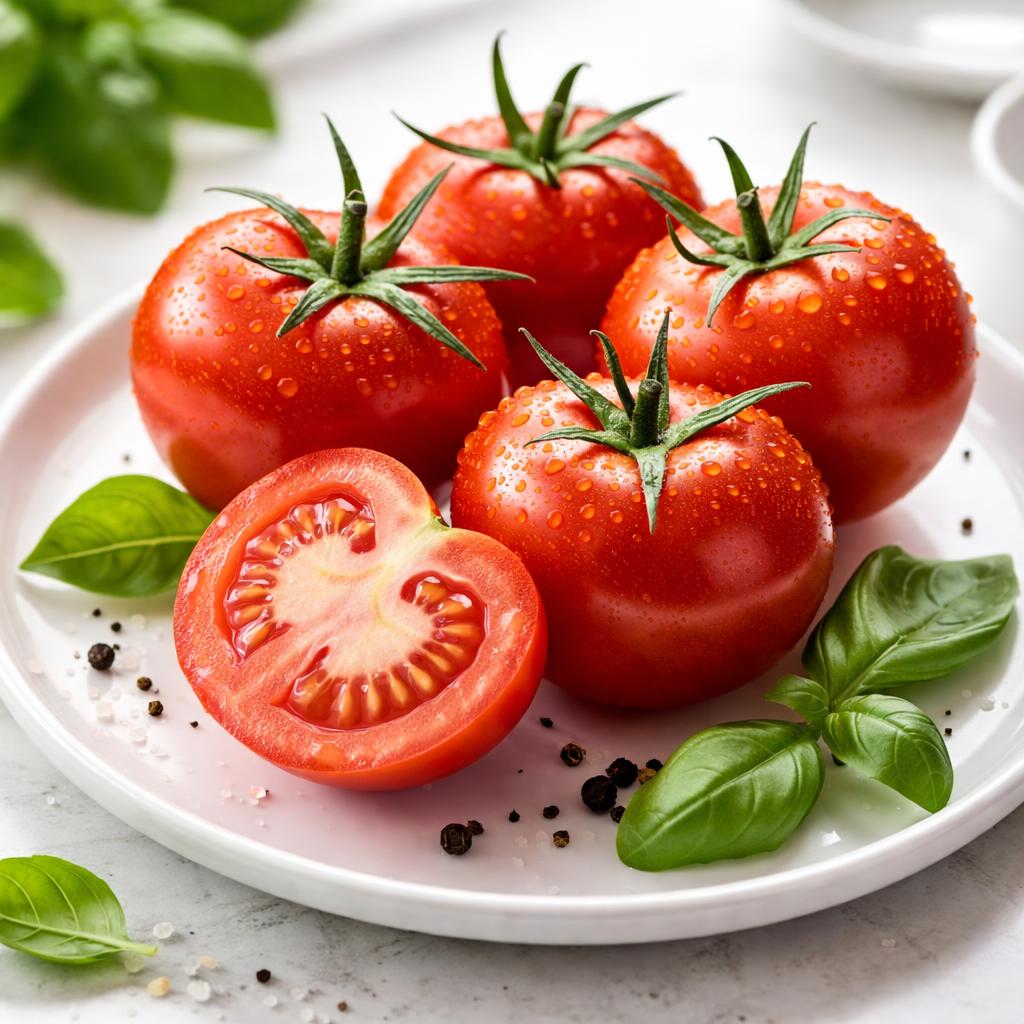
Tomato
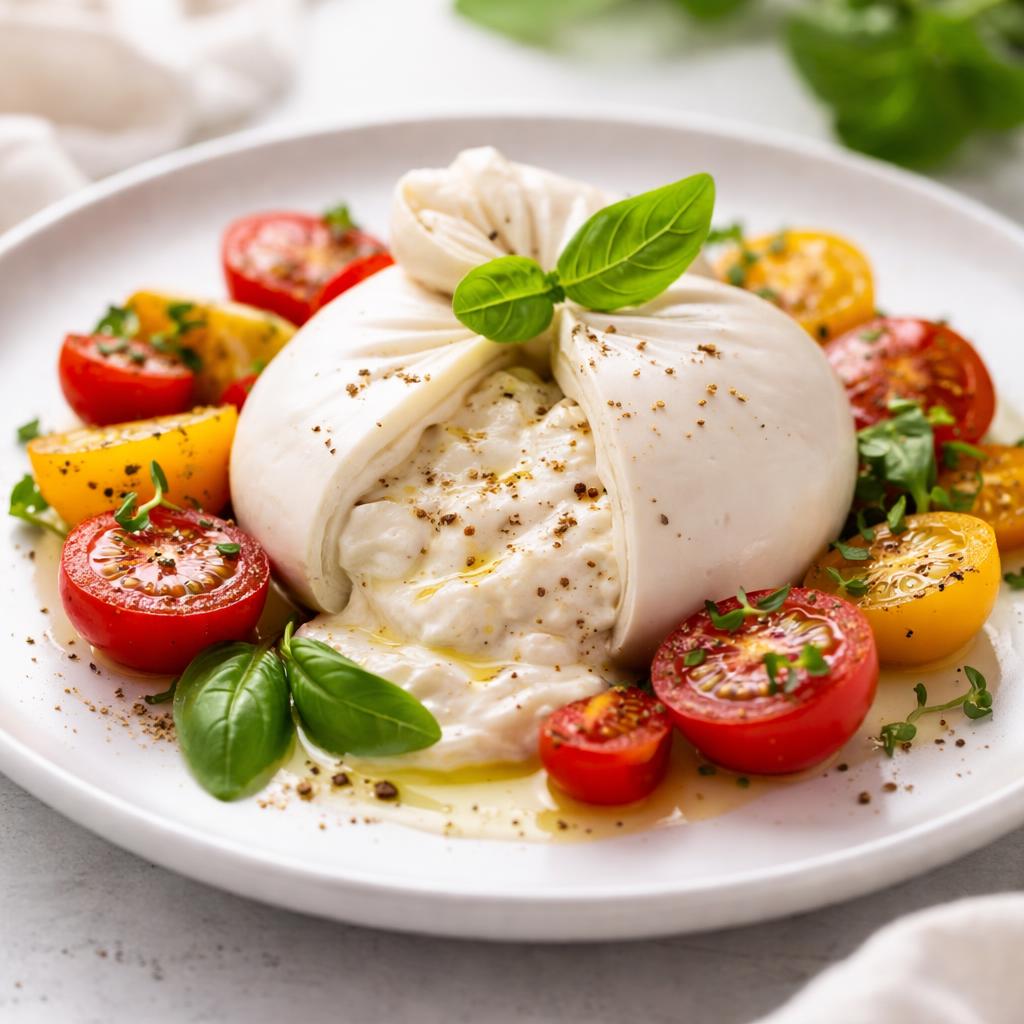
Burrata
🎯 Quick Verdict
Tomatoes and burrata serve vastly different nutritional purposes. Tomatoes are low in calories, provide fiber, and are rich in vitamins like C and A, while burrata delivers higher protein content along with healthy fats and calcium. Tomatoes are ideal for light, nutrient-packed dishes, while burrata offers indulgence and protein for more substantial meals.

Smart Nutrition Tracking with SnapCalorie

📊 Nutritional Comparison
Macronutrients
| Nutrient | Food 1 | Food 2 | Winner |
|---|---|---|---|
| Calories | 18 per 100g | 305 per 100g | ✓ |
| Protein | 0.9g per 100g | 12g per 100g | ✓ |
| Carbs | 3.9g per 100g | 1g per 100g | ✓ |
| Fat | 0.2g per 100g | 28g per 100g | ✓ |
| Fiber | 1.2g per 100g | 0g per 100g | ✓ |
Vitamins & Minerals
| Nutrient | Food 1 | Food 2 | Winner |
|---|---|---|---|
| Vitamin C | 18mg per 100g | 0mg per 100g | ✓ |
| Vitamin A | 833 IU per 100g | 40 IU per 100g | ✓ |
| Calcium | 10mg per 100g | 160mg per 100g | ✓ |
| Iron | 0.3mg per 100g | 0.1mg per 100g | ✓ |
🏆 Category Winners
Protein
Burrata has significantly higher protein content (12g vs. 0.9g per 100g).
Fiber
Tomatoes provide 1.2g of fiber per 100g, while burrata contains none.
Calories
Tomatoes are extremely low in calories (18 per 100g), compared to burrata's 305 per 100g.
Vitamins
Tomatoes excel in vitamin C, A, and iron content compared to burrata.
🥗 Diet Compatibility
Keto
Food 1: Compatible
Food 2: Compatible
Both fit ketogenic diets; burrata offers more fats, and tomatoes are low-carb.
Vegan
Food 1: Compatible
Food 2: Not Compatible
Tomatoes are plant-based, while burrata is dairy.
Gluten Free
Food 1: Compatible
Food 2: Compatible
Neither contains gluten.
Paleo
Food 1: Compatible
Food 2: Not Compatible
Tomatoes fit paleo diets, but burrata does not as it is dairy-based.
Low-Carb
Food 1: Compatible
Food 2: Compatible
Both tomatoes and burrata are low-carb, though burrata also contains fats and protein.
💪 Health Benefits Comparison
Food 1 Benefits
- Rich in antioxidants like vitamin C and lycopene for immune support and skin health.
- Low calorie and fiber-rich, aiding in weight management and digestion.
- Contains vitamin A for eye health and iron for oxygen transport in blood.
Food 2 Benefits
- High in protein, beneficial for muscle repair and maintenance.
- Rich source of calcium for bone health.
- Contains healthy fats to support heart health and satiety.
✅ The Bottom Line
Choose tomatoes for low-calorie, nutrient-rich dishes, and burrata for indulgent, protein-rich meals. Tomatoes shine as a base for salads or light snacks, while burrata complements higher-fat meals or adds richness to a dish.
Choose Food 1 for: Weight management, digestion, vitamin boost
Choose Food 2 for: Protein-rich meals, indulgent dishes, heart health


