Tomato VS Bread With Butter
A detailed nutritional comparison
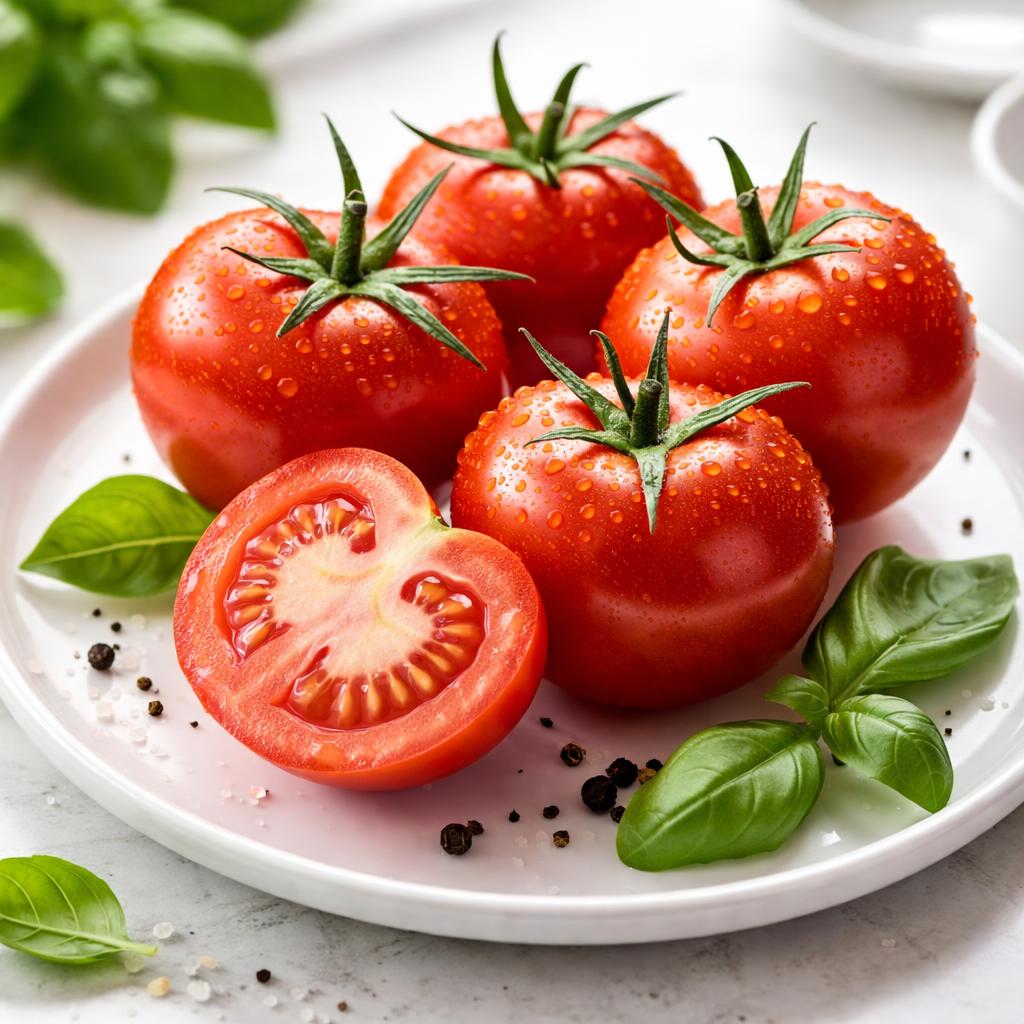
Tomato

Bread With Butter
🎯 Quick Verdict
Tomatoes are lower in calories and rich in fiber, vitamins, and antioxidants, making them a great choice for weight management and nutrient density. Bread with butter is higher in calories, protein, and fat, offering more energy but less fiber and vitamins. Tomatoes are ideal for light, nutrient-packed meals, while bread with butter suits energy-dense snacks or breakfast options.

Smart Nutrition Tracking with SnapCalorie

📊 Nutritional Comparison
Macronutrients
| Nutrient | Food 1 | Food 2 | Winner |
|---|---|---|---|
| Calories | 18 | 225 | ✓ |
| Protein | 1g | 5g | ✓ |
| Carbs | 4g | 20g | ✓ |
| Fat | 0.2g | 10g | ✓ |
| Fiber | 1.5g | 0.5g | ✓ |
Vitamins & Minerals
| Nutrient | Food 1 | Food 2 | Winner |
|---|---|---|---|
| Vitamin C | 15mg | 0mg | ✓ |
| Vitamin A | 833IU | 23IU | ✓ |
| Calcium | 10mg | 100mg | ✓ |
| Iron | 0.3mg | 0.7mg | ✓ |
🏆 Category Winners
Protein
Bread with butter provides 5x more protein than tomatoes.
Fiber
Tomatoes contain 3x more fiber than bread with butter.
Calories
Tomatoes have 92% fewer calories than bread with butter.
Vitamins
Tomatoes are significantly richer in Vitamin C and Vitamin A.
🥗 Diet Compatibility
Keto
Food 1: Compatible
Food 2: Not Compatible
Tomatoes are low-carb and suitable for a keto diet, while bread contains high carbs.
Vegan
Food 1: Compatible
Food 2: Not Compatible
Tomatoes are plant-based, but butter is an animal product.
Gluten Free
Food 1: Compatible
Food 2: Not Compatible
Tomatoes contain no gluten, but bread typically does.
Paleo
Food 1: Compatible
Food 2: Not Compatible
Tomatoes are paleo-friendly, whereas bread and butter are excluded on paleo diets.
Low-Carb
Food 1: Compatible
Food 2: Not Compatible
Tomatoes are low-carb with only 4g carbs per serving, while bread with butter has 20g carbs.
💪 Health Benefits Comparison
Food 1 Benefits
- Rich in Vitamin C for immune system support.
- High in fiber for improved digestion.
- Contains antioxidants like lycopene, which may reduce inflammation.
- Low-calorie and nutrient-dense for weight management.
Food 2 Benefits
- Provides quick energy due to its carb and fat content.
- Contains calcium for bone health.
- Offers protein for muscle maintenance.
- Good source of iron for healthy blood production.
✅ The Bottom Line
Choose tomatoes when looking for a nutrient-packed, low-calorie food to complement salads or light meals. Opt for bread with butter when energy or comfort food is desired, particularly for active individuals needing higher calories and protein.
Choose Food 1 for: Weight loss, nutrient-rich salads, immune support
Choose Food 2 for: Energy-dense meals, snacks, post-workout fueling


