Tomato VS Bell Peppers
A detailed nutritional comparison
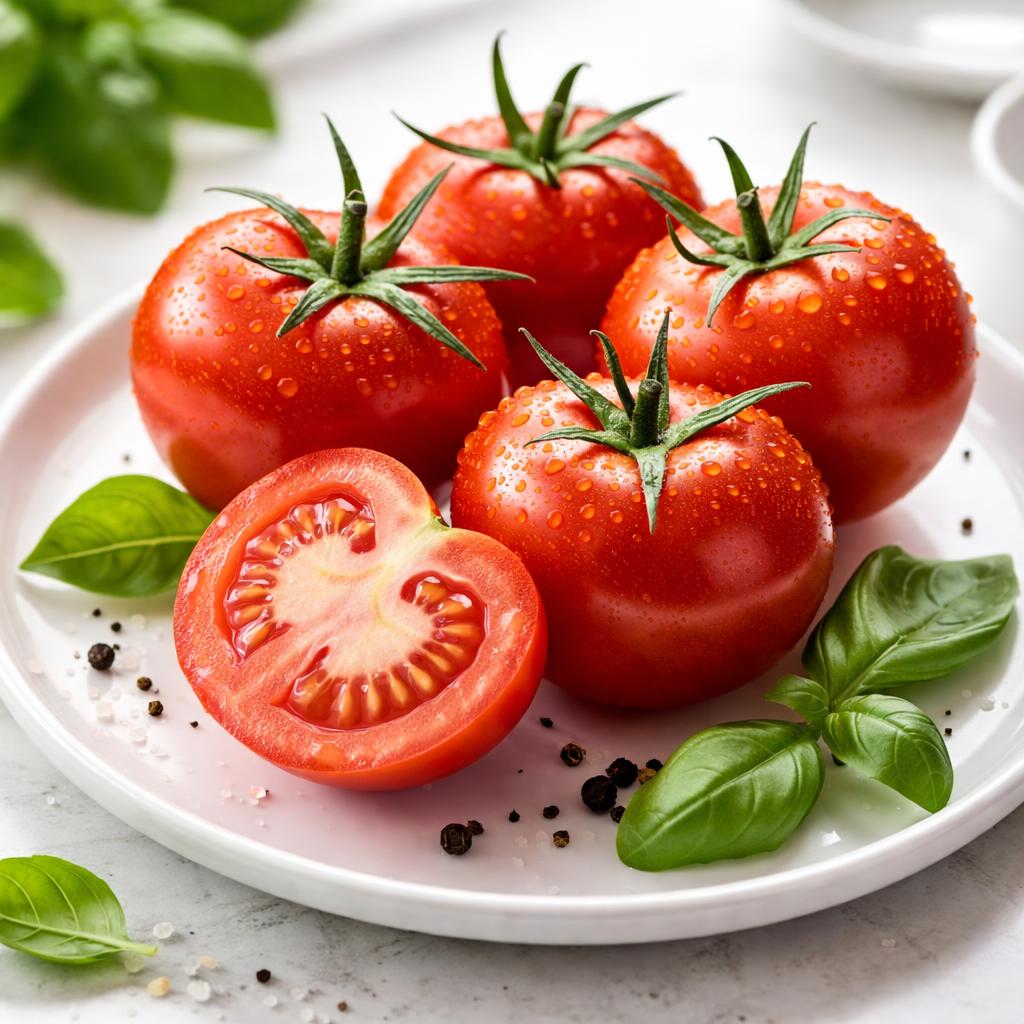
Tomato
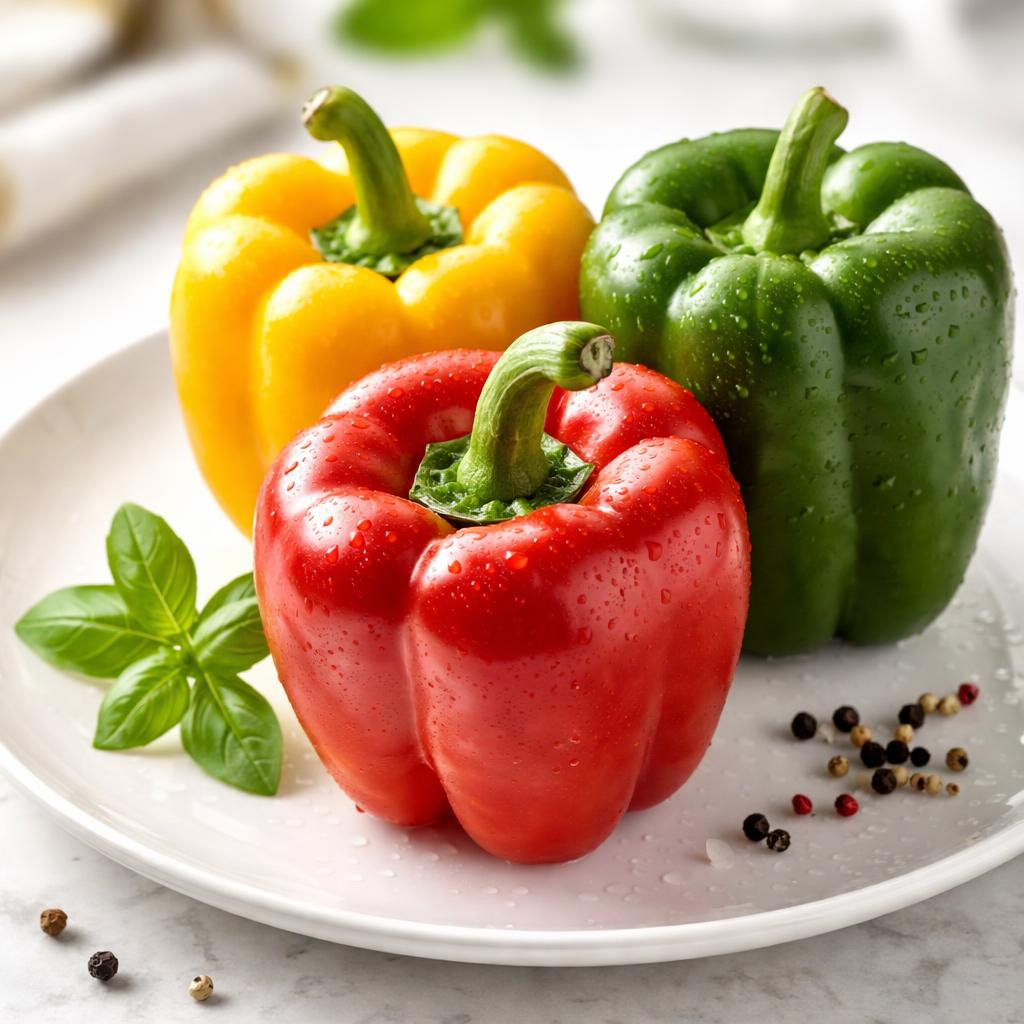
Bell Peppers
🎯 Quick Verdict
Bell peppers provide slightly more protein and fiber than tomatoes, making them the overall more nutrient-dense option. Tomatoes, however, offer fewer carbohydrates and similar calorie content, ideal for low-carb diets. Both foods are excellent sources of vitamins, with tomatoes being prominent for Vitamin C and bell peppers excelling in Vitamin A. Ideal use cases differ, with bell peppers suitable as a nutritious snack or ingredient, and tomatoes shining in sauces and salads.

Smart Nutrition Tracking with SnapCalorie

📊 Nutritional Comparison
Macronutrients
| Nutrient | Food 1 | Food 2 | Winner |
|---|---|---|---|
| Calories | 18 per 100g | 20 per 100g | − |
| Protein | 0.9g per 100g | 0.9g per 100g | − |
| Carbs | 3.9g per 100g | 4.6g per 100g | ✓ |
| Fat | 0.2g per 100g | 0.2g per 100g | − |
| Fiber | 1.2g per 100g | 2g per 100g | ✓ |
Vitamins & Minerals
| Nutrient | Food 1 | Food 2 | Winner |
|---|---|---|---|
| Vitamin A | 833 IU per 100g | 3131 IU per 100g | ✓ |
| Vitamin C | 13.7mg per 100g | 80.4mg per 100g | ✓ |
| Potassium | 237mg per 100g | 211mg per 100g | ✓ |
🏆 Category Winners
Protein
Both foods contain equal protein levels (0.9g per 100g).
Fiber
Bell peppers contain 66% more fiber than tomatoes (2g vs 1.2g per 100g).
Calories
Both foods are very low in calories (18-20 calories per 100g).
Vitamins
Bell peppers contain higher levels of Vitamin A and Vitamin C compared to tomatoes.
🥗 Diet Compatibility
Keto
Food 1: Compatible
Food 2: Compatible
Both foods are low-carb and fit into a ketogenic diet.
Vegan
Food 1: Compatible
Food 2: Compatible
Both foods are plant-based.
Gluten Free
Food 1: Compatible
Food 2: Compatible
Neither food contains gluten.
Paleo
Food 1: Compatible
Food 2: Compatible
Both are natural, whole foods suitable for paleo diets.
Low-Carb
Food 1: Highly Compatible
Food 2: Compatible
Tomatoes are lower in carbs, making them slightly better for strict low-carb diets.
💪 Health Benefits Comparison
Food 1 Benefits
- Rich in antioxidants like lycopene, which support heart health
- Good source of potassium for electrolyte balance
- Provides Vitamin C for immune system support
- Low calorie content for weight management
Food 2 Benefits
- High in Vitamin A, promoting eye health and immune function
- Excellent source of Vitamin C for antioxidant protection
- Contains fiber to support digestion and gut health
- Low calorie and nutrient-dense for general health
✅ The Bottom Line
Bell peppers are slightly more nutrient-packed, offering higher fiber and key vitamins like A and C, suited for overall health and immune support. Tomatoes, with lower carbs and notable lycopene content, are ideal for heart health and low-carb diets. Both are versatile and low-calorie options, but their best use depends on the specific dietary goals.
Choose Food 1 for: Low-carb diets, heart health, sauces, salads
Choose Food 2 for: General health, immune support, snacking, stir-fries


