Tomato VS Baked Potato
A detailed nutritional comparison
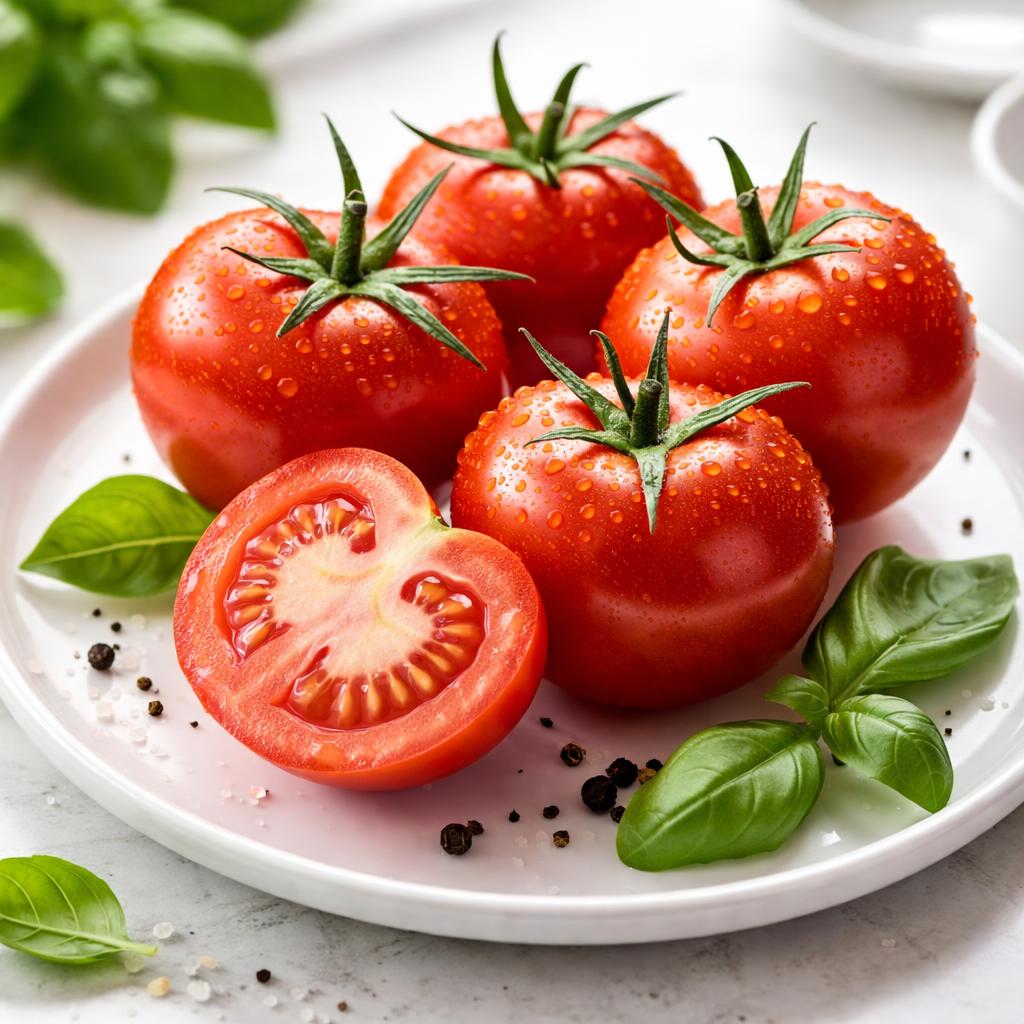
Tomato
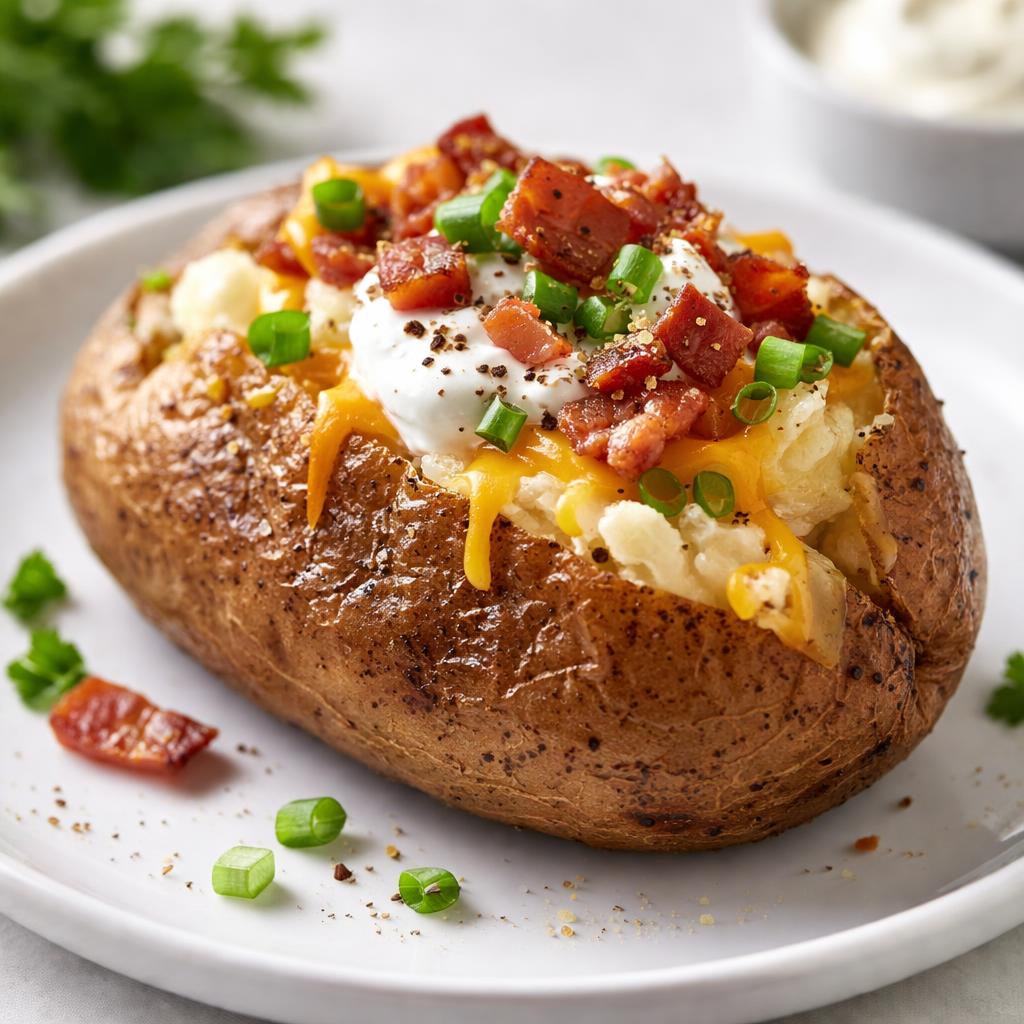
Baked Potato
🎯 Quick Verdict
Tomatoes are lower in calories and packed with antioxidants like lycopene, making them ideal for light snacks or adding nutrients to meals without extra calories. Baked potatoes are nutrient-dense, providing more protein, fiber, and energy, making them a better choice for a satiating side dish or carb-heavy meal prep.

Smart Nutrition Tracking with SnapCalorie

📊 Nutritional Comparison
Macronutrients
| Nutrient | Food 1 | Food 2 | Winner |
|---|---|---|---|
| Calories | 18 | 130 | ✓ |
| Protein | 0.9g | 2.7g | ✓ |
| Carbs | 3.9g | 30g | ✓ |
| Fat | 0.2g | 0.2g | − |
| Fiber | 1.2g | 2.4g | ✓ |
Vitamins & Minerals
| Nutrient | Food 1 | Food 2 | Winner |
|---|---|---|---|
| Vitamin C | 13.7mg | 19.7mg | ✓ |
| Potassium | 237mg | 443mg | ✓ |
| Vitamin B6 | 0.1mg | 0.3mg | ✓ |
🏆 Category Winners
Protein
Baked potato has 3x more protein than tomato per serving.
Fiber
Baked potato delivers twice as much fiber per serving.
Calories
Tomato has significantly lower calories than baked potato.
Vitamins
Baked potato surpasses tomato in potassium, vitamin B6, and vitamin C concentration.
🥗 Diet Compatibility
Keto
Food 1: Compatible
Food 2: Not Compatible
Tomato is low-carb (3.9g), while baked potato is high-carb (30g).
Vegan
Food 1: Compatible
Food 2: Compatible
Both are plant-based and suitable for vegans.
Gluten Free
Food 1: Compatible
Food 2: Compatible
Neither food contains gluten.
Paleo
Food 1: Compatible
Food 2: Compatible
Both are compatible with paleo diets.
Low-Carb
Food 1: Compatible
Food 2: Not Compatible
Tomato fits low-carb diets due to minimal carbs, unlike potatoes.
💪 Health Benefits Comparison
Food 1 Benefits
- Rich in antioxidants like lycopene to support heart health
- Low in calories for weight management
- Good source of vitamin C to boost immunity
- Contains water for hydration
Food 2 Benefits
- Provides complex carbohydrates for sustained energy
- Good source of fiber for gut health
- Rich in potassium for maintaining healthy blood pressure
- Contains vitamin B6 to support brain function
✅ The Bottom Line
Tomatoes and baked potatoes serve different nutritional purposes. Choose tomatoes for low-calorie, antioxidant-rich additions to meals or snacks. Opt for baked potatoes when seeking a filling, nutrient-dense side dish or energy boost.
Choose Food 1 for: Weight loss, hydration, antioxidant support
Choose Food 2 for: Satiating meals, energy replenishment, high-fiber meals


