Tomato VS Baby Corn
A detailed nutritional comparison
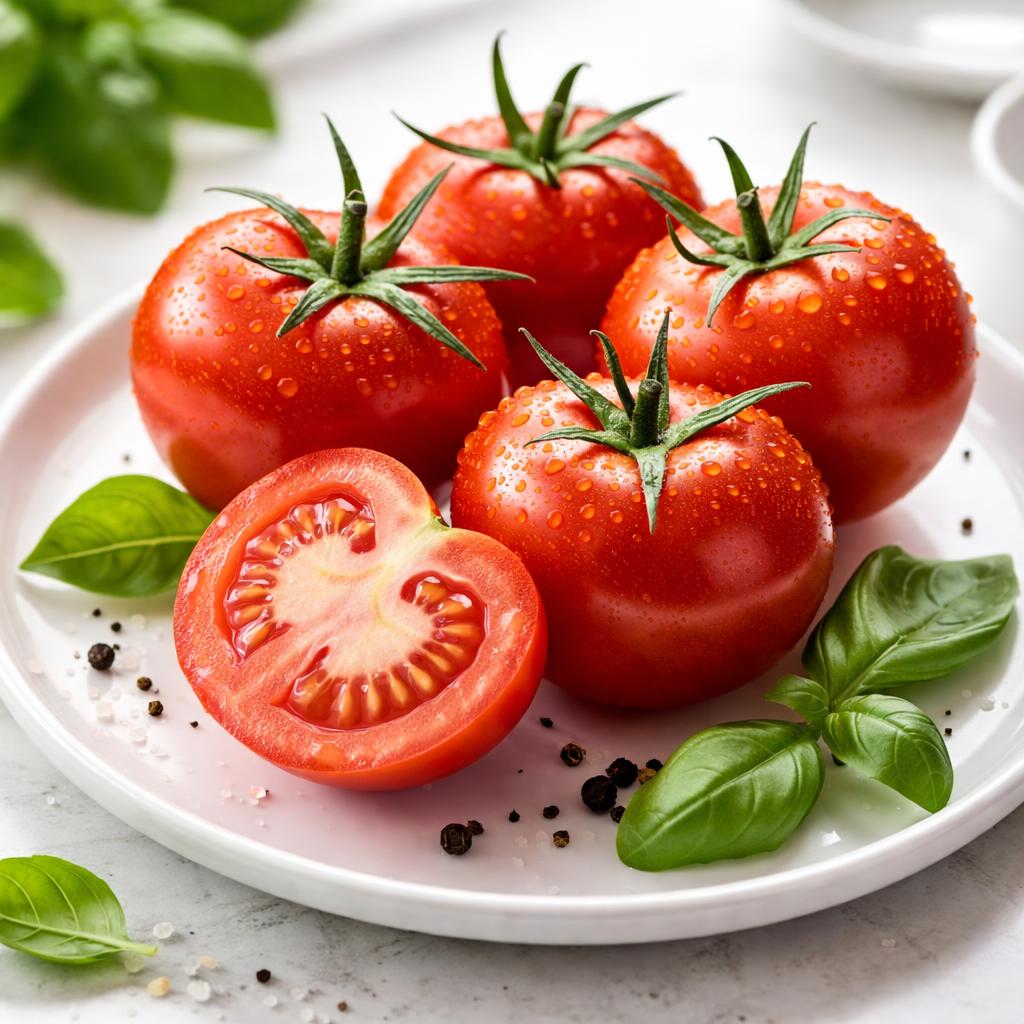
Tomato
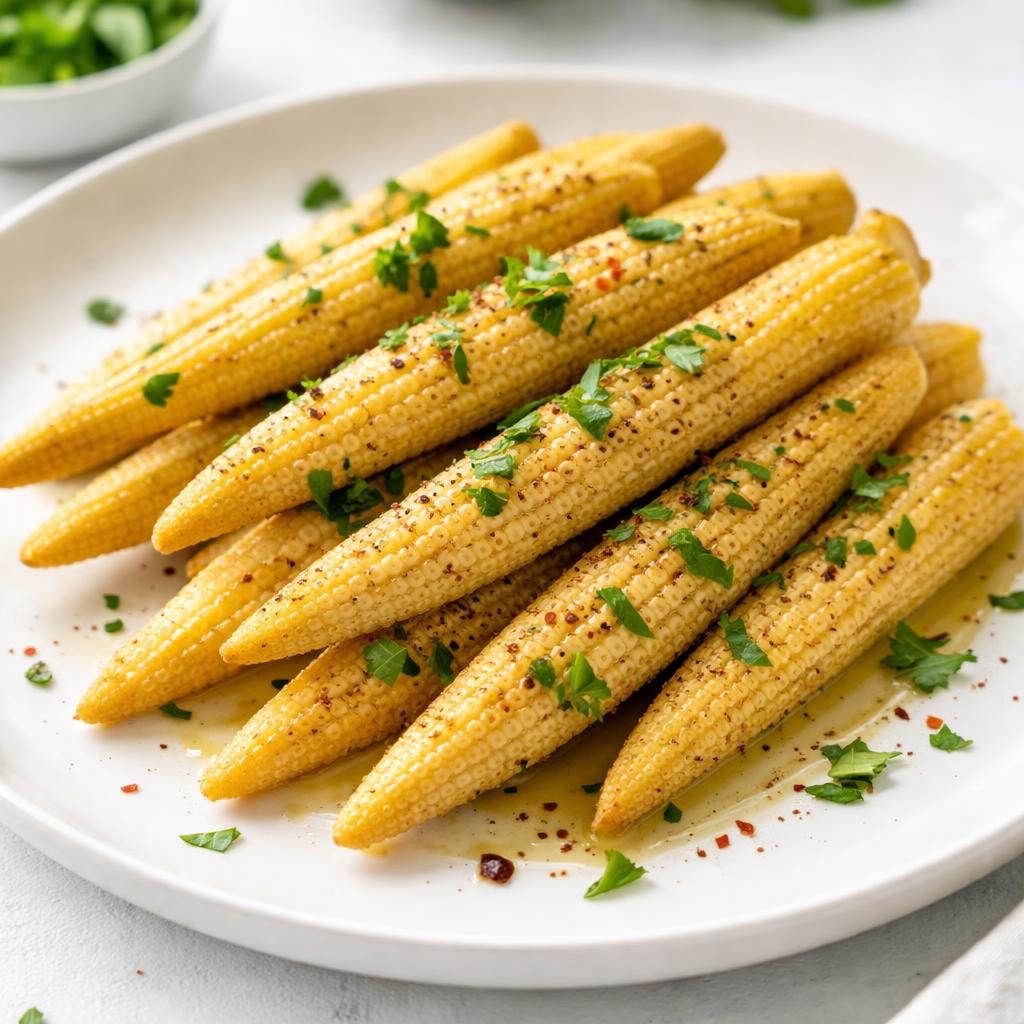
Baby Corn
🎯 Quick Verdict
Tomatoes have fewer calories, are rich in vitamin C, and are ideal for weight-conscious diets, while baby corn boasts higher protein and fiber content, making it better for energy and satiety. Both are gluten-free, vegan-friendly, and nutrient-dense, catering to diverse diets and health goals.

Smart Nutrition Tracking with SnapCalorie

📊 Nutritional Comparison
Macronutrients
| Nutrient | Food 1 | Food 2 | Winner |
|---|---|---|---|
| Calories | 18 | 25 | ✓ |
| Protein | 0.9g | 2g | ✓ |
| Carbs | 3.9g | 5.8g | ✓ |
| Fat | 0.2g | 0.1g | ✓ |
| Fiber | 1.2g | 2g | ✓ |
Vitamins & Minerals
| Nutrient | Food 1 | Food 2 | Winner |
|---|---|---|---|
| Vitamin C | 13.7mg | 2.5mg | ✓ |
| Vitamin A | 42mcg | 19mcg | ✓ |
| Calcium | 10mg | 3mg | ✓ |
| Iron | 0.3mg | 0.5mg | ✓ |
🏆 Category Winners
Protein
Baby corn contains more than double the protein compared to tomato.
Fiber
Baby corn has 67% more fiber, aiding digestion and satiety.
Calories
Tomatoes have 28% fewer calories per serving than baby corn.
Vitamins
Tomatoes are significantly richer in vitamin C and vitamin A.
🥗 Diet Compatibility
Keto
Food 1: Not Compatible
Food 2: Compatible
Baby corn is low-carb and fits the keto diet.
Vegan
Food 1: Compatible
Food 2: Compatible
Both are plant-based and suitable for vegan diets.
Gluten Free
Food 1: Compatible
Food 2: Compatible
Neither contains gluten, making both safe for gluten-free diets.
Paleo
Food 1: Compatible
Food 2: Compatible
Both are acceptable on the paleo diet as unprocessed plant foods.
Low Carb
Food 1: Not Compatible
Food 2: Compatible
Baby corn has lower carb content, fitting better into low-carb diets.
💪 Health Benefits Comparison
Food 1 Benefits
- Rich in vitamin C for immune system support
- Low-calorie option for weight management
- Contains antioxidants (lycopene) to fight inflammation
- Supports heart health with potassium content
Food 2 Benefits
- Higher protein content for muscle maintenance
- Good source of fiber, improving digestion
- Low-carb and keto-friendly for energy without insulin spikes
- Offers essential minerals (iron and magnesium) for overall health
✅ The Bottom Line
Choose tomatoes for a low-calorie, vitamin-rich addition to salads or snacks, perfect for weight and heart health. Opt for baby corn when you need higher protein and fiber for satiety, digestion, and sustained energy levels.
Choose Food 1 for: Low-calorie meals, salads, heart health support
Choose Food 2 for: Keto and low-carb diets, high-protein snacks, digestive health


