Sushi Rice VS Raw Rice
A detailed nutritional comparison
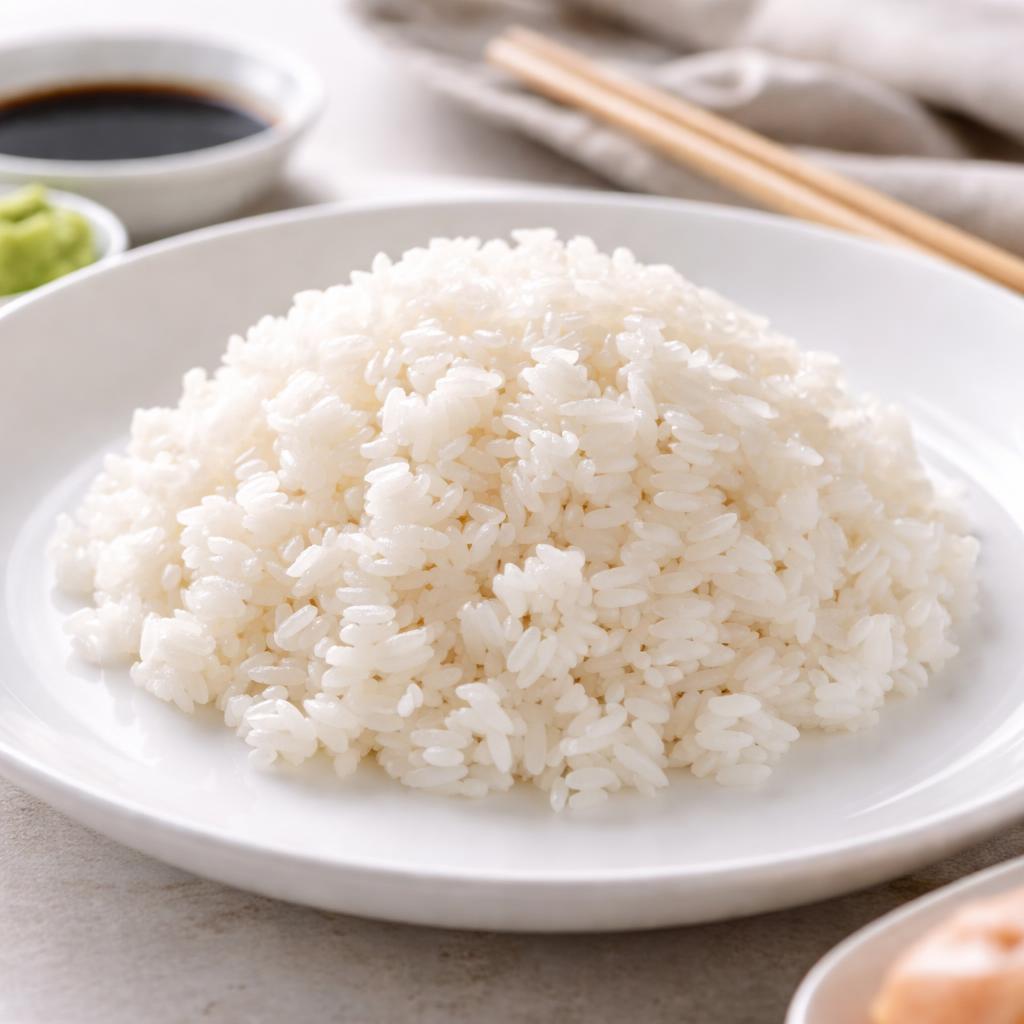
Sushi Rice
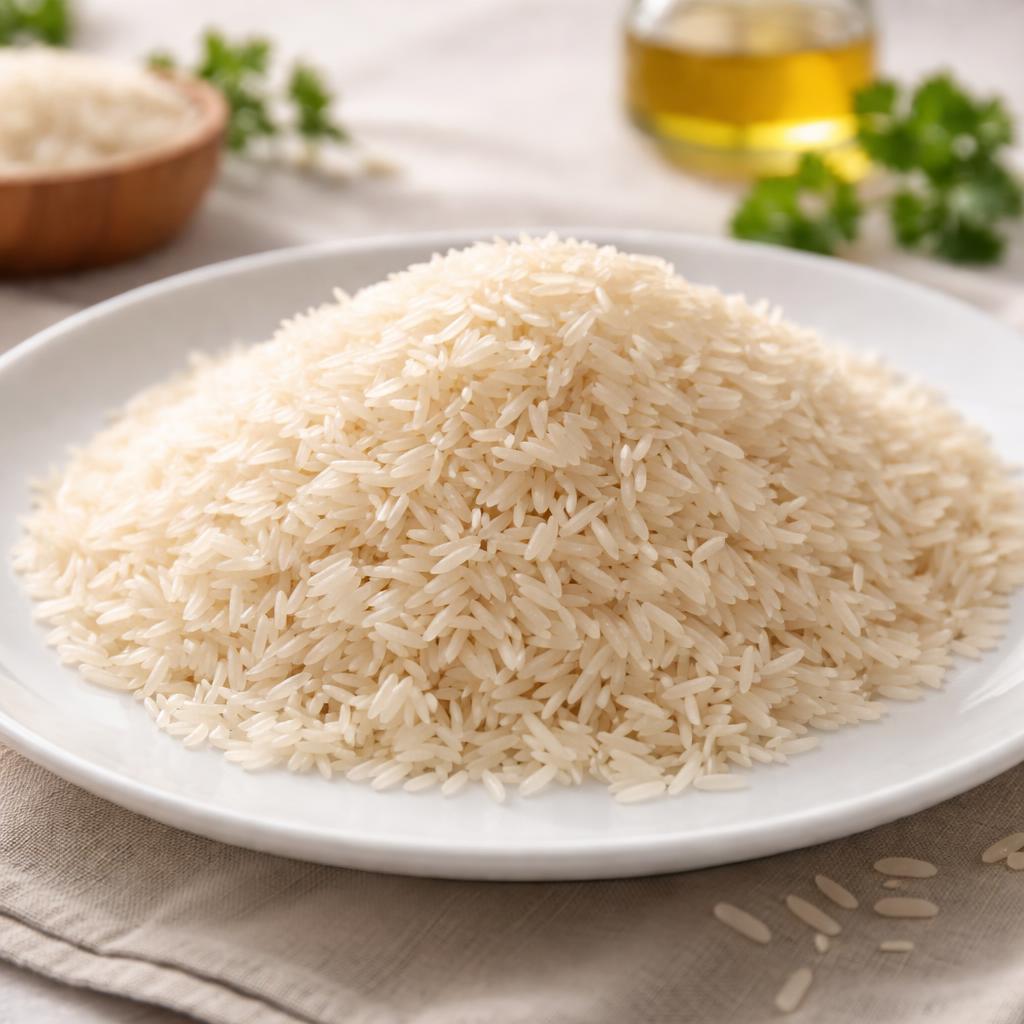
Raw Rice
🎯 Quick Verdict
Sushi rice and raw rice differ significantly in their nutritional profiles, primarily due to the cooking process for sushi rice. Raw rice contains more protein, fiber, calcium, and iron, making it better suited for nutrient density and whole food diets. Sushi rice is higher in carbohydrates and calories due to added sugar and vinegar during preparation, which makes it more suitable as an energy-dense option for meals involving physical activity.

Smart Nutrition Tracking with SnapCalorie

📊 Nutritional Comparison
Macronutrients
| Nutrient | Food 1 | Food 2 | Winner |
|---|---|---|---|
| Calories | 150 calories (per 1 cup cooked) | 130 calories (per 1 cup raw) | ✓ |
| Protein | 2g | 3.5g | ✓ |
| Carbs | 33g | 28g | ✓ |
| Fat | 0g | 0.5g | ✓ |
| Fiber | 0.3g | 1g | ✓ |
Vitamins & Minerals
| Nutrient | Food 1 | Food 2 | Winner |
|---|---|---|---|
| Vitamin D | 0mcg | 0mcg | − |
| Calcium | 8mg | 10mg | ✓ |
| Iron | 0.2mg | 0.4mg | ✓ |
🏆 Category Winners
Protein
Raw rice has 75% more protein per serving than sushi rice.
Fiber
Raw rice provides over three times the fiber of sushi rice.
Calories
Raw rice has 13% fewer calories per serving compared to sushi rice.
🥗 Diet Compatibility
Keto
Food 1: Not Compatible
Food 2: Not Compatible
Both foods are high in carbohydrates.
Vegan
Food 1: Compatible
Food 2: Compatible
Both are plant-based foods.
Gluten Free
Food 1: Compatible
Food 2: Compatible
Neither contains gluten.
Paleo
Food 1: Not Compatible
Food 2: Not Compatible
Rice is not part of the paleo diet due to its grain status.
Low Carb
Food 1: Not Compatible
Food 2: Not Compatible
Both foods have a high carbohydrate content per serving.
💪 Health Benefits Comparison
Food 1 Benefits
- Provides quick energy from carbohydrates
- Easy to digest and gentle on the stomach
- Popular as a base for flavorful meals like sushi
Food 2 Benefits
- Richer in nutrients like protein and fiber for sustained energy
- Contains essential minerals like calcium and iron
- Better suited for whole-food, minimally processed diets
✅ The Bottom Line
Both sushi rice and raw rice serve different purposes in a diet. Sushi rice is ideal for energy-dense meals and serves as a great base for light, flavorful dishes like sushi rolls. Raw rice is superior in protein, fiber, and micronutrients, making it a better option for nutrient-dense meals or recipes requiring less refinement.
Choose Food 1 for: Quick energy, sushi dishes, easy digestion
Choose Food 2 for: Higher nutrient density, whole food diets, sustained energy


