Sushi Rice VS Lemon Rice
A detailed nutritional comparison
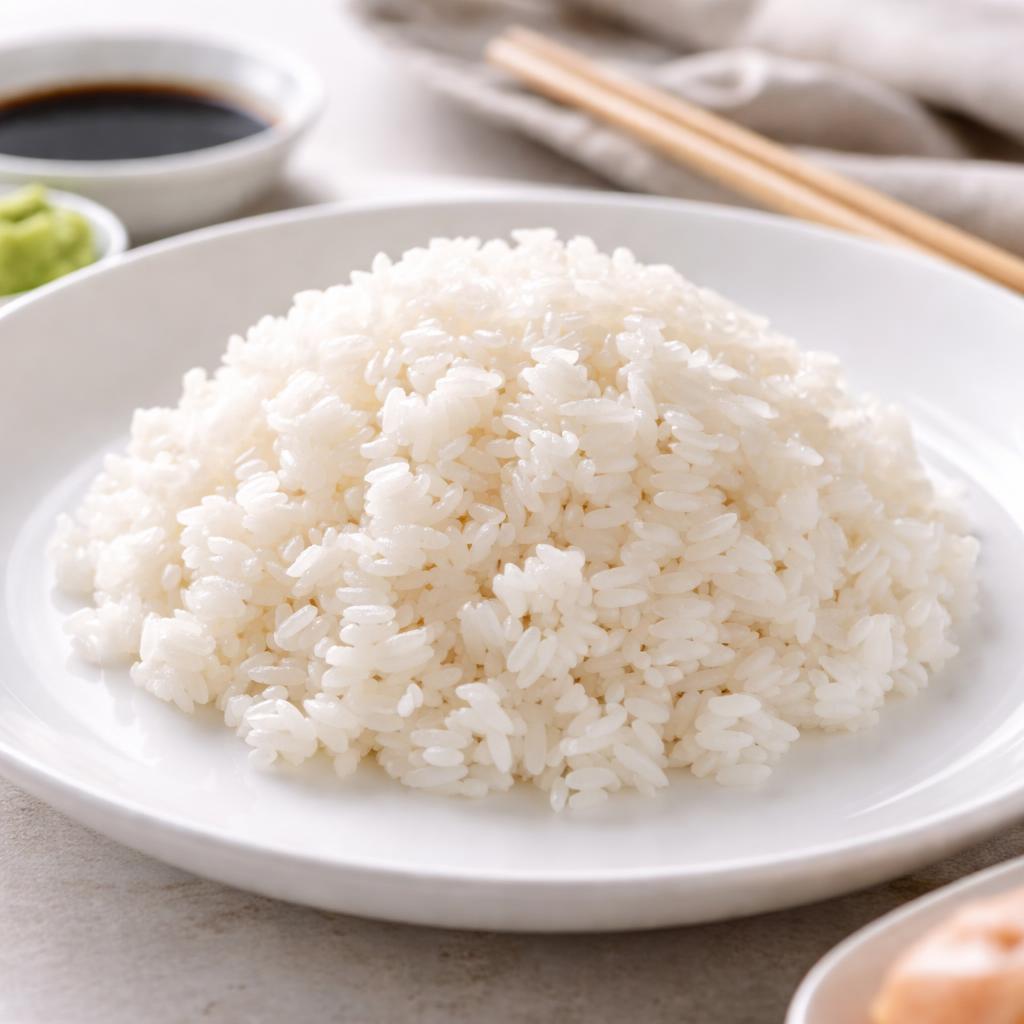
Sushi Rice
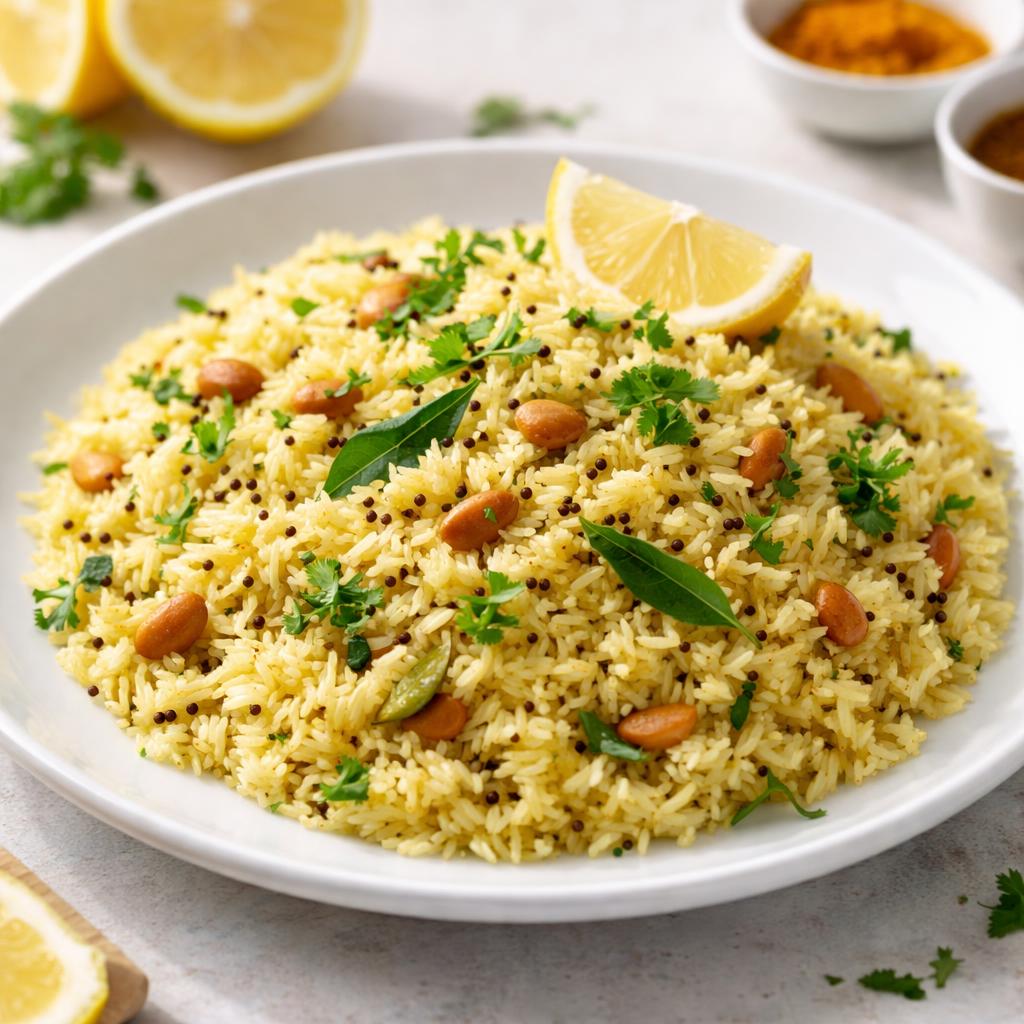
Lemon Rice
🎯 Quick Verdict
Sushi rice is lower in calories and simpler in composition, making it a good choice for those focused on calorie control or pairing with proteins. Lemon rice offers more fiber, vitamins, and flavor due to the addition of lemon and spices, benefiting digestion and overall nutrient intake. Choose sushi rice for minimalism and lemon rice for enhanced nutrients and taste.

Smart Nutrition Tracking with SnapCalorie

📊 Nutritional Comparison
Macronutrients
| Nutrient | Food 1 | Food 2 | Winner |
|---|---|---|---|
| Calories | 130 per cup | 180 per cup | ✓ |
| Protein | 2g | 2g | − |
| Carbs | 28g | 37g | ✓ |
| Fat | 0g | 4g | ✓ |
| Fiber | 0.3g | 2g | ✓ |
Vitamins & Minerals
| Nutrient | Food 1 | Food 2 | Winner |
|---|---|---|---|
| Vitamin C | 0mg | 25mg | ✓ |
| Vitamin A | 0IU | 120IU | ✓ |
| Iron | 0.2mg | 1.2mg | ✓ |
🏆 Category Winners
Protein
Both foods offer 2g of protein per serving, making them equal in this category.
Fiber
Lemon rice contains nearly 7 times more fiber than sushi rice, aiding digestion.
Calories
Sushi rice is less calorie-dense, with 28% fewer calories than lemon rice.
Vitamins
Lemon rice is more nutrient-rich, offering vitamin C and A alongside notable iron content.
🥗 Diet Compatibility
Keto
Food 1: Not Compatible
Food 2: Not Compatible
Both are high-carb options.
Vegan
Food 1: Compatible
Food 2: Compatible
Both are plant-based foods.
Gluten Free
Food 1: Compatible
Food 2: Compatible
Both are gluten-free by default.
Paleo
Food 1: Not Compatible
Food 2: Not Compatible
Rice is not considered paleo-friendly.
Low Carb
Food 1: Not Compatible
Food 2: Not Compatible
Neither is low-carb due to high carbohydrate content.
💪 Health Benefits Comparison
Food 1 Benefits
- Good option for a low-calorie side dish
- Refined, simple carbohydrates for quick energy
- Pairs well with nutrient-dense toppings or proteins
Food 2 Benefits
- Rich in fiber for improved digestion
- Offers vitamin C to support immune health
- Includes heart-healthy fats from oils and spices
- Flavored with anti-inflammatory ingredients like lemon and turmeric
✅ The Bottom Line
Choose sushi rice for a simple, low-calorie base or when versatility is key. Opt for lemon rice if you want a nutrient-dense, flavorful dish that supports digestion and immune health. Both are gluten-free and vegan-friendly but unsuitable for keto, paleo, or low-carb diets.
Choose Food 1 for: Calorie-conscious diets, simple meal bases, pairing with high-protein foods
Choose Food 2 for: Flavorful side dish, digestion support, nutrient-rich meals


