Steamed Rice VS Wonton Noodles
A detailed nutritional comparison
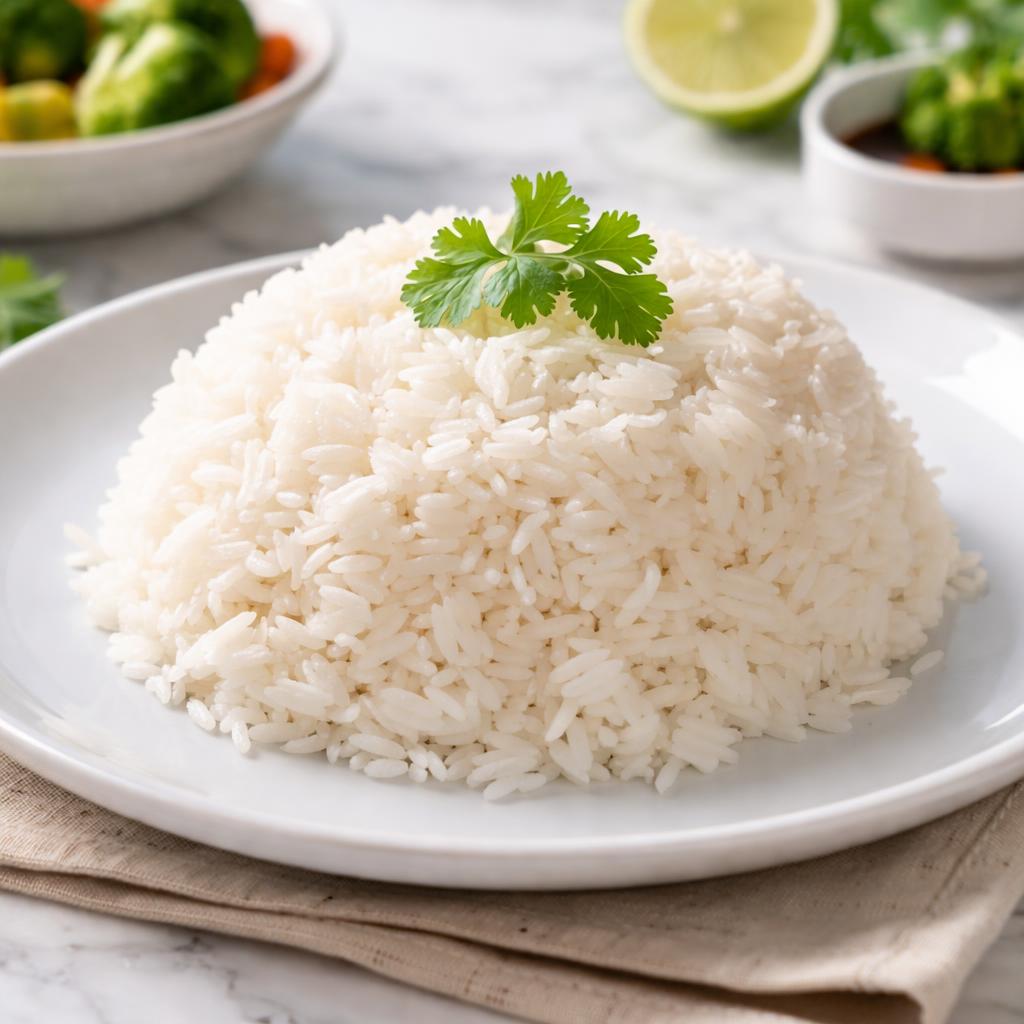
Steamed Rice
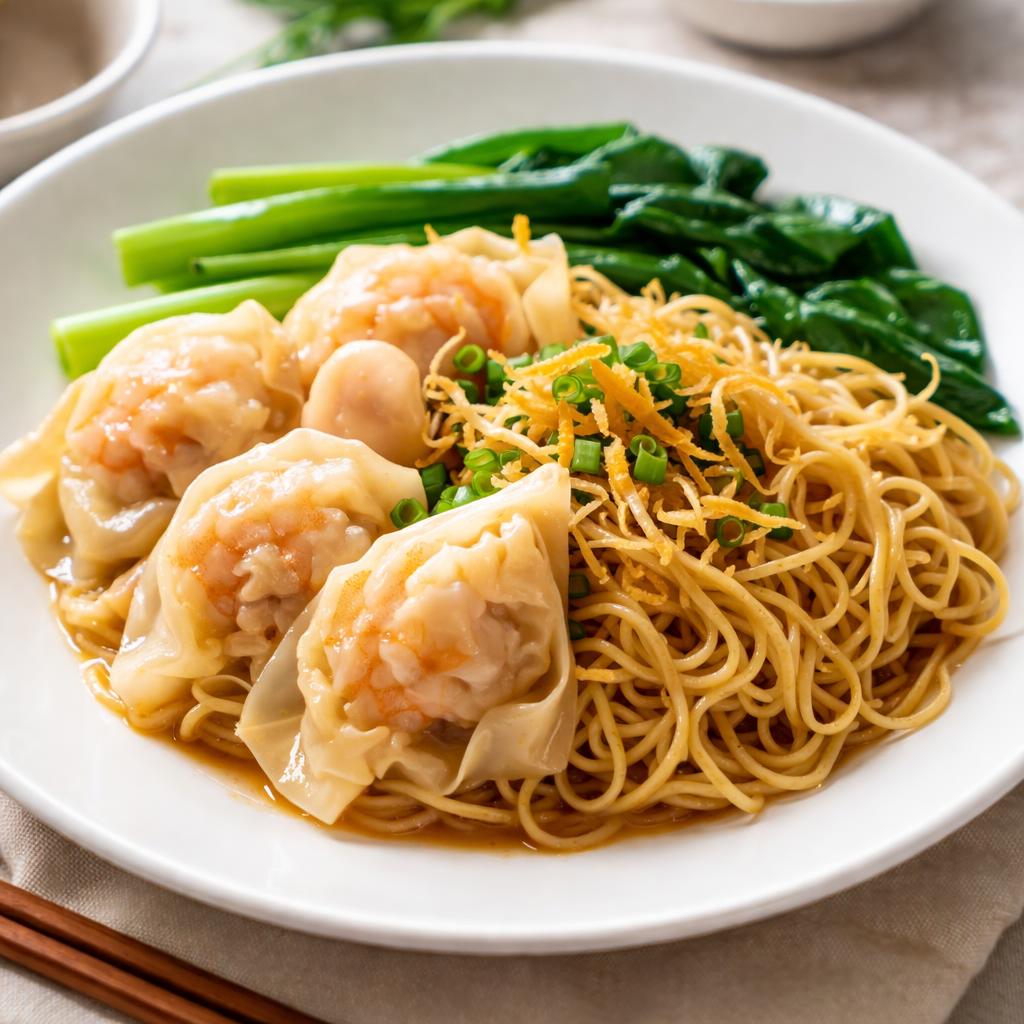
Wonton Noodles
🎯 Quick Verdict
Steamed rice and wonton noodles differ significantly in macronutrient profiles. Steamed rice is lower in protein and fiber but provides sustained energy with fewer complex flavors. Wonton noodles offer higher protein and fiber but come with slightly more calories and fat, making them better suited for balanced meals rather than pure carb-loads like rice. Choose rice for simplicity or noodles for a more nutrient-rich option.

Smart Nutrition Tracking with SnapCalorie

📊 Nutritional Comparison
Macronutrients
| Nutrient | Food 1 | Food 2 | Winner |
|---|---|---|---|
| Calories | 150 calories/serving (1 cup cooked) | 150 calories/serving (1 cup cooked) | − |
| Protein | 4g | 6g | ✓ |
| Carbs | 33g | 28g | ✓ |
| Fat | 0.5g | 2g | ✓ |
| Fiber | 0.5g | 2g | ✓ |
Vitamins & Minerals
| Nutrient | Food 1 | Food 2 | Winner |
|---|---|---|---|
| Vitamin D | 0mcg | 0mcg | − |
| Calcium | 10mg | 20mg | ✓ |
| Iron | 0.2mg | 0.5mg | ✓ |
🏆 Category Winners
Protein
Wonton noodles contain 50% more protein per serving.
Fiber
Wonton noodles provide 4x more fiber than steamed rice.
Calories
Both foods contain the same calorie amount per serving (150 calories).
🥗 Diet Compatibility
Keto
Food 1: Not Compatible
Food 2: Not Compatible
Both are high-carb foods and unsuitable for keto diets.
Vegan
Food 1: Compatible
Food 2: Compatible
Both foods are plant-based and contain no animal products.
Gluten Free
Food 1: Compatible
Food 2: Not Compatible
Steamed rice is gluten-free, but wonton noodles may contain wheat-based flour.
Paleo
Food 1: Compatible
Food 2: Not Compatible
Steamed rice aligns with paleo principles, but wonton noodles typically do not.
Low-Carb
Food 1: Not Compatible
Food 2: Not Compatible
Both foods are relatively high in carbohydrates and are not suitable for low-carb diets.
💪 Health Benefits Comparison
Food 1 Benefits
- Provides quick and easily digestible energy.
- Low in fat and suitable for low-fat diets.
- Gluten-free and suitable for those with gluten sensitivities.
Food 2 Benefits
- Higher protein content supports muscle maintenance.
- Contains more fiber, which aids digestion.
- Includes modest amounts of calcium and iron for bone and blood health.
✅ The Bottom Line
Choose steamed rice for simplicity, quick energy, and gluten-free diets. Use wonton noodles for a more nutrient-dense option that provides higher protein and fiber. Both are versatile carb bases but serve different dietary needs.
Choose Food 1 for: Gluten-free diets, light meals, and pairing with low-fat foods.
Choose Food 2 for: Balanced meals with higher protein and minerals, digestion support.


