Steamed Rice VS Pasta With Pesto
A detailed nutritional comparison
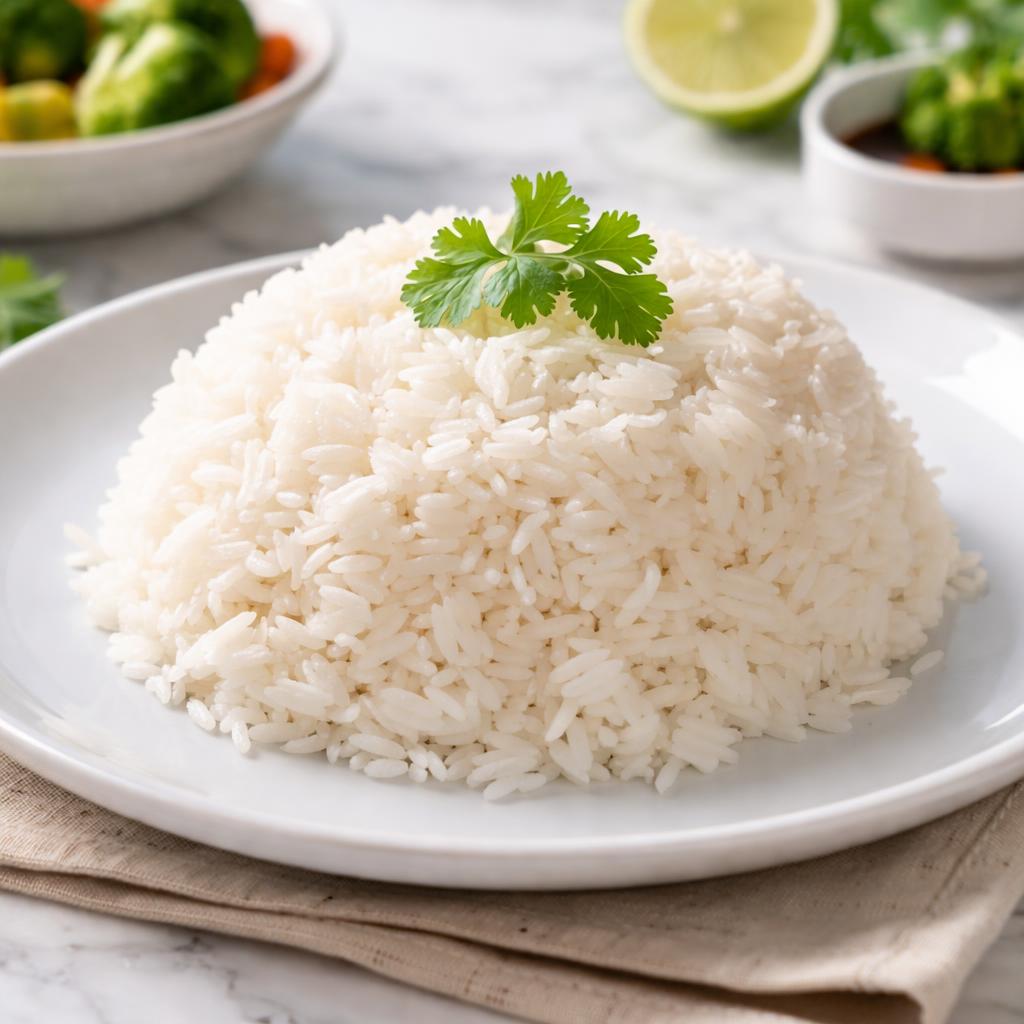
Steamed Rice
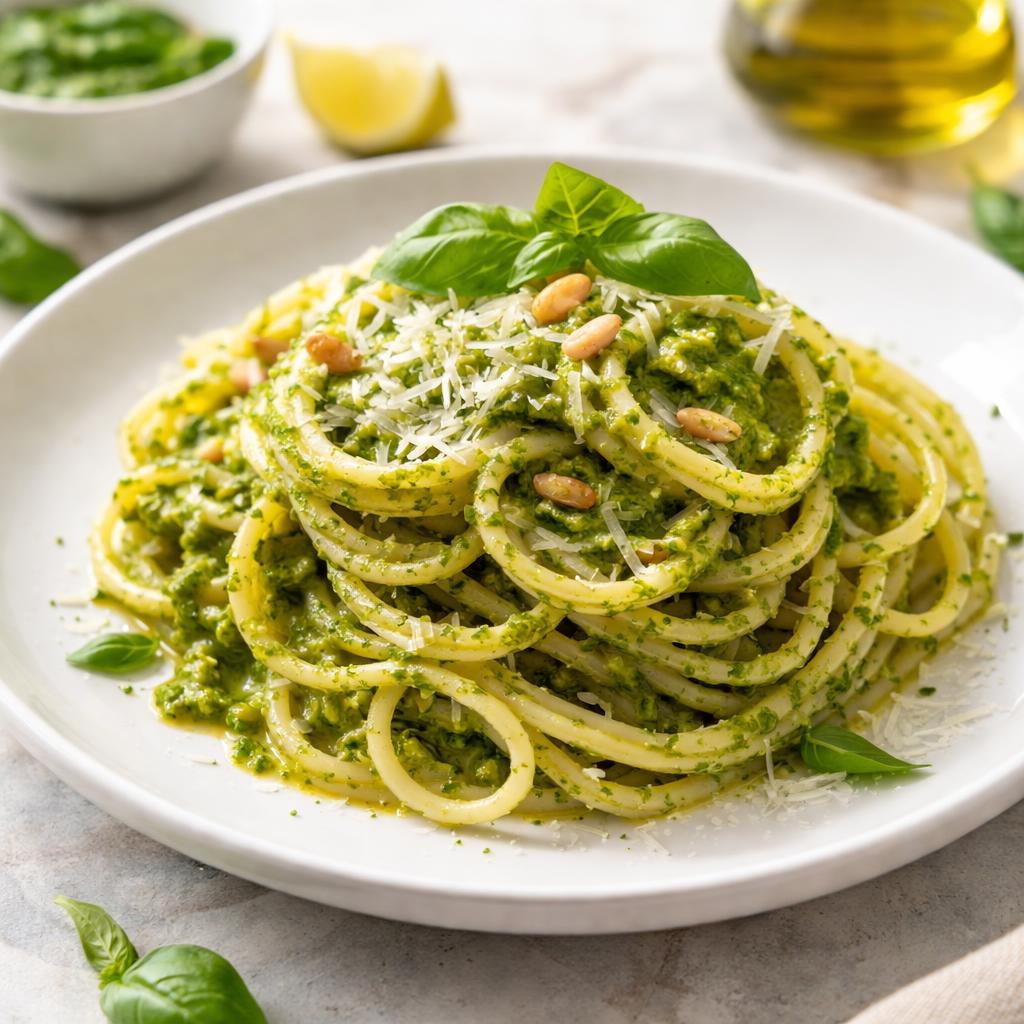
Pasta With Pesto
🎯 Quick Verdict
While steamed rice is lower in calories and carbs, pasta with pesto provides more protein, fiber, and healthy fats due to the addition of pesto. Rice works best for simple, easy-to-digest meals or low-fat diets, while pasta with pesto suits nutrient-dense, flavorful meals rich in fats and protein.

Smart Nutrition Tracking with SnapCalorie

📊 Nutritional Comparison
Macronutrients
| Nutrient | Food 1 | Food 2 | Winner |
|---|---|---|---|
| Calories | 130 | 290 | ✓ |
| Protein | 2.7g | 8g | ✓ |
| Carbs | 28g | 25g | ✓ |
| Fat | 0.3g | 12g | ✓ |
| Fiber | 0.4g | 2g | ✓ |
Vitamins & Minerals
| Nutrient | Food 1 | Food 2 | Winner |
|---|---|---|---|
| Vitamin A | 0mcg | 200mcg | ✓ |
| Vitamin C | 0mg | 1mg | ✓ |
| Calcium | 10mg | 50mg | ✓ |
| Iron | 0.2mg | 1.4mg | ✓ |
🏆 Category Winners
Protein
Food2 has nearly 3x more protein due to both pasta and pesto.
Fiber
Food2 provides 4x more fiber, helping with digestion.
Calories
Food1 is significantly lower in calories, making it better for low-calorie diets.
🥗 Diet Compatibility
Keto
Food 1: Not Compatible
Food 2: Not Compatible
Both are high-carb foods not suitable for keto.
Vegan
Food 1: Compatible
Food 2: Depends on pesto ingredients
Food1 is fully vegan; food2’s pesto may contain dairy.
Gluten Free
Food 1: Compatible
Food 2: Not Compatible
Food1 is naturally gluten-free; pasta is typically wheat-based.
Paleo
Food 1: Not Compatible
Food 2: Not Compatible
Both foods are grain-based and excluded from Paleo diets.
Low-Carb
Food 1: Not Compatible
Food 2: Not Compatible
Both contain high-carb levels per serving.
💪 Health Benefits Comparison
Food 1 Benefits
- Low in fat, ideal for low-fat diets
- Provides quick and easy digestible energy
- Naturally gluten-free for sensitive individuals
Food 2 Benefits
- Provides healthy fats from pesto for heart health
- Moderate protein supports muscle maintenance
- Contains fiber and antioxidants for digestion and immunity
✅ The Bottom Line
Steamed rice is the superior choice for low-calorie or gluten-free diets, offering simple energy with minimal fats. Pasta with pesto is more nutrient-dense, with higher protein, fiber, and healthy fats, making it ideal for flavorful, energy-rich meals.
Choose Food 1 for: Low-calorie diets, gluten sensitivity, basic energy sources
Choose Food 2 for: Flavorful meals, nutrient-rich diets, heart health


