Spanish Rice VS Stuffed Bread
A detailed nutritional comparison
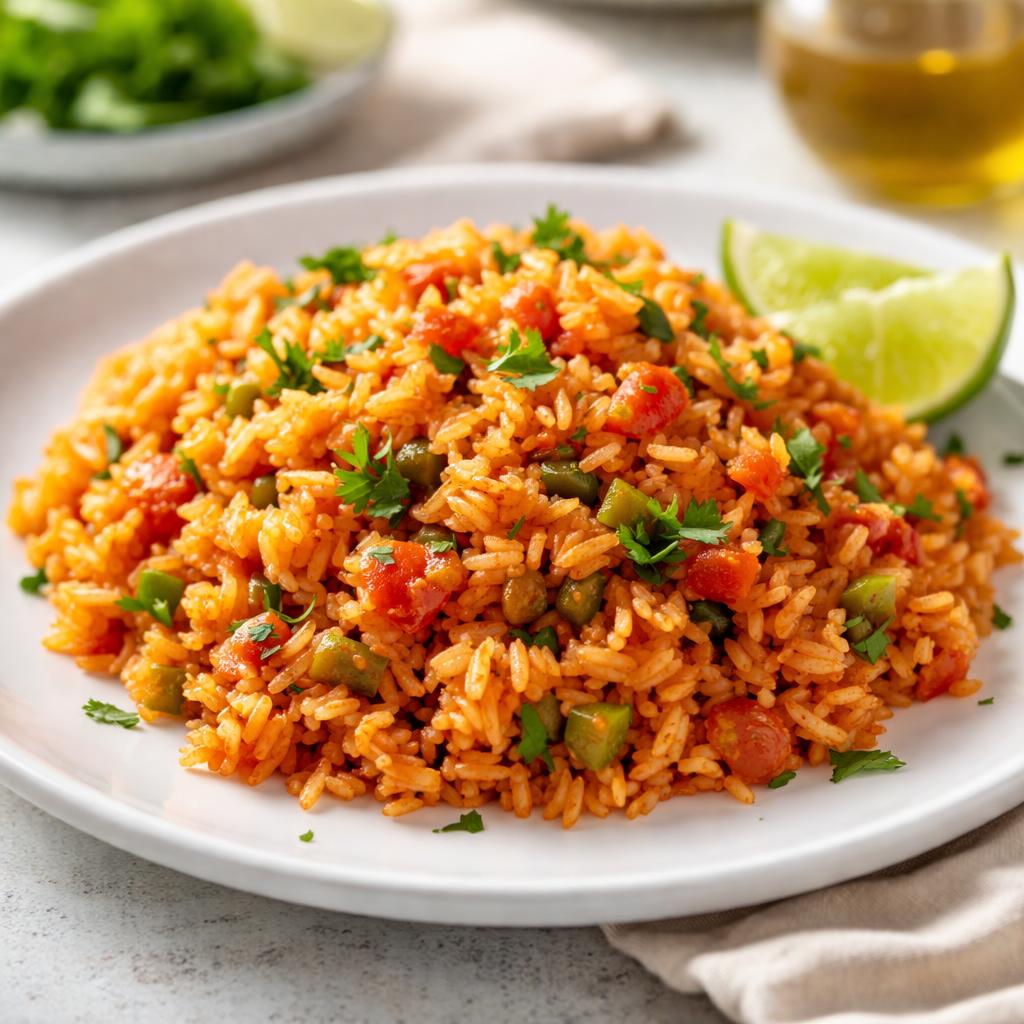
Spanish Rice
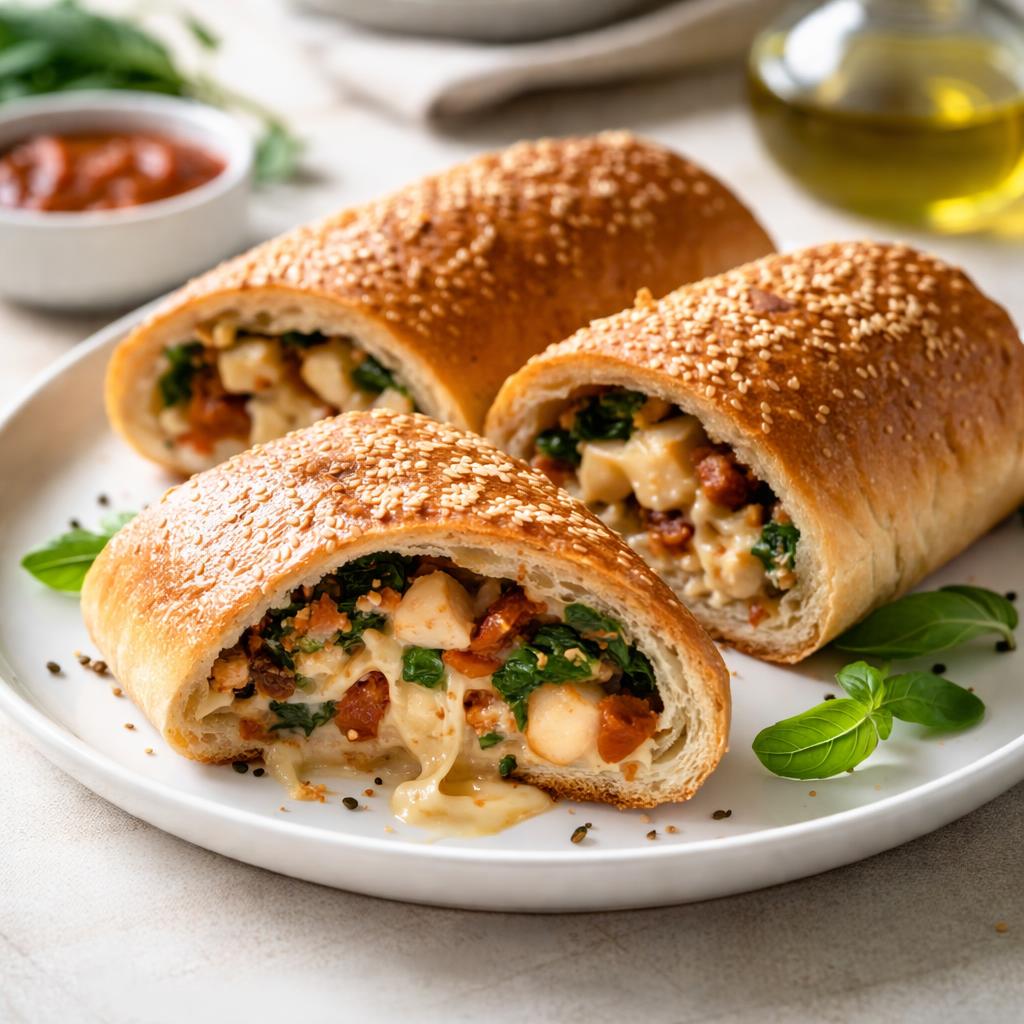
Stuffed Bread
🎯 Quick Verdict
Spanish rice is overall lower in calories and higher in fiber compared to stuffed bread, making it better suited for weight management and digestion. Stuffed bread is higher in protein and fat, offering sustained energy and muscle support. Spanish rice is ideal for a light meal, while stuffed bread works well as a hearty snack or energy booster.

Smart Nutrition Tracking with SnapCalorie

📊 Nutritional Comparison
Macronutrients
| Nutrient | Food 1 | Food 2 | Winner |
|---|---|---|---|
| Calories | 200 | 350 | ✓ |
| Protein | 5g | 12g | ✓ |
| Carbs | 35g | 40g | ✓ |
| Fat | 3g | 15g | ✓ |
| Fiber | 3g | 2g | ✓ |
Vitamins & Minerals
| Nutrient | Food 1 | Food 2 | Winner |
|---|---|---|---|
| Vitamin C | 10mg | 5mg | ✓ |
| Iron | 2mg | 1.5mg | ✓ |
| Calcium | 50mg | 80mg | ✓ |
🏆 Category Winners
Protein
Stuffed bread has over 100% more protein than Spanish rice, making it better for muscle-building.
Fiber
Spanish rice has 50% more fiber per serving, supporting digestion.
Calories
Spanish rice has 43% fewer calories than stuffed bread, ideal for weight management.
🥗 Diet Compatibility
Keto
Food 1: Not Compatible
Food 2: Not Compatible
Both are relatively high in carbohydrates.
Vegan
Food 1: Compatible
Food 2: Depends on stuffing (e.g., meat or cheese)
Spanish rice is plant-based; stuffed bread may vary based on filling.
Gluten Free
Food 1: Compatible
Food 2: Not Compatible
Spanish rice contains no gluten, but stuffed bread typically contains wheat.
Paleo
Food 1: Not Compatible
Food 2: Not Compatible
Neither aligns with strict paleo guidelines due to grains.
Low-Carb
Food 1: Not Compatible
Food 2: Not Compatible
Both foods have over 30g of carbs per serving.
💪 Health Benefits Comparison
Food 1 Benefits
- Low in calories, ideal for weight management
- High in fiber for digestion and gut health
- Contains Vitamin C for immune support
- Provides iron for oxygen transport in the body
Food 2 Benefits
- High in protein for muscle maintenance
- Contains healthy fats for energy and cell function
- Good calcium content for bone health
- May provide sustained energy due to its macronutrient profile
✅ The Bottom Line
Choose Spanish rice when seeking a low-calorie, high-fiber option for digestion or weight management. Opt for stuffed bread when aiming for more protein and energy, such as during active days or post-workout recovery.
Choose Food 1 for: Light meals, weight loss, digestion support
Choose Food 2 for: Energy boost, muscle maintenance, hearty meals


