Spanish Rice VS Shirataki Noodles
A detailed nutritional comparison
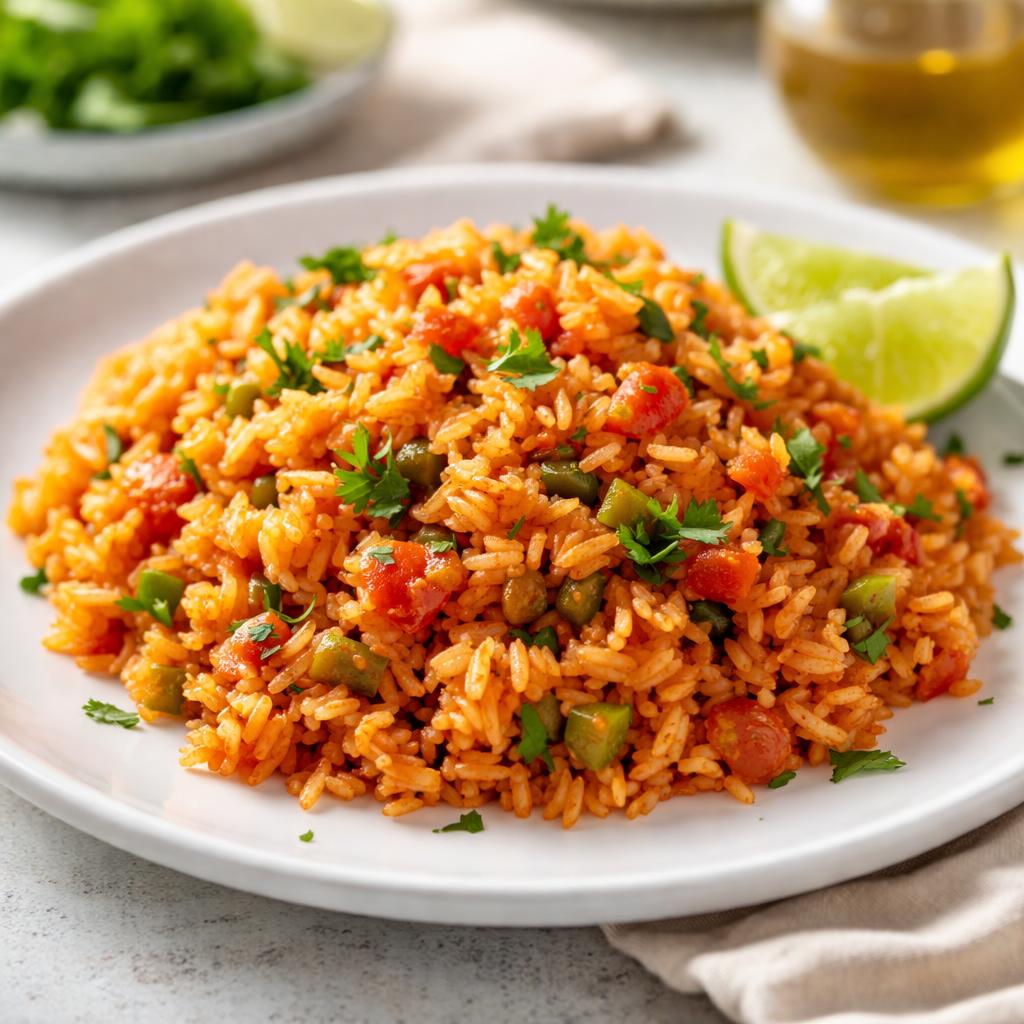
Spanish Rice
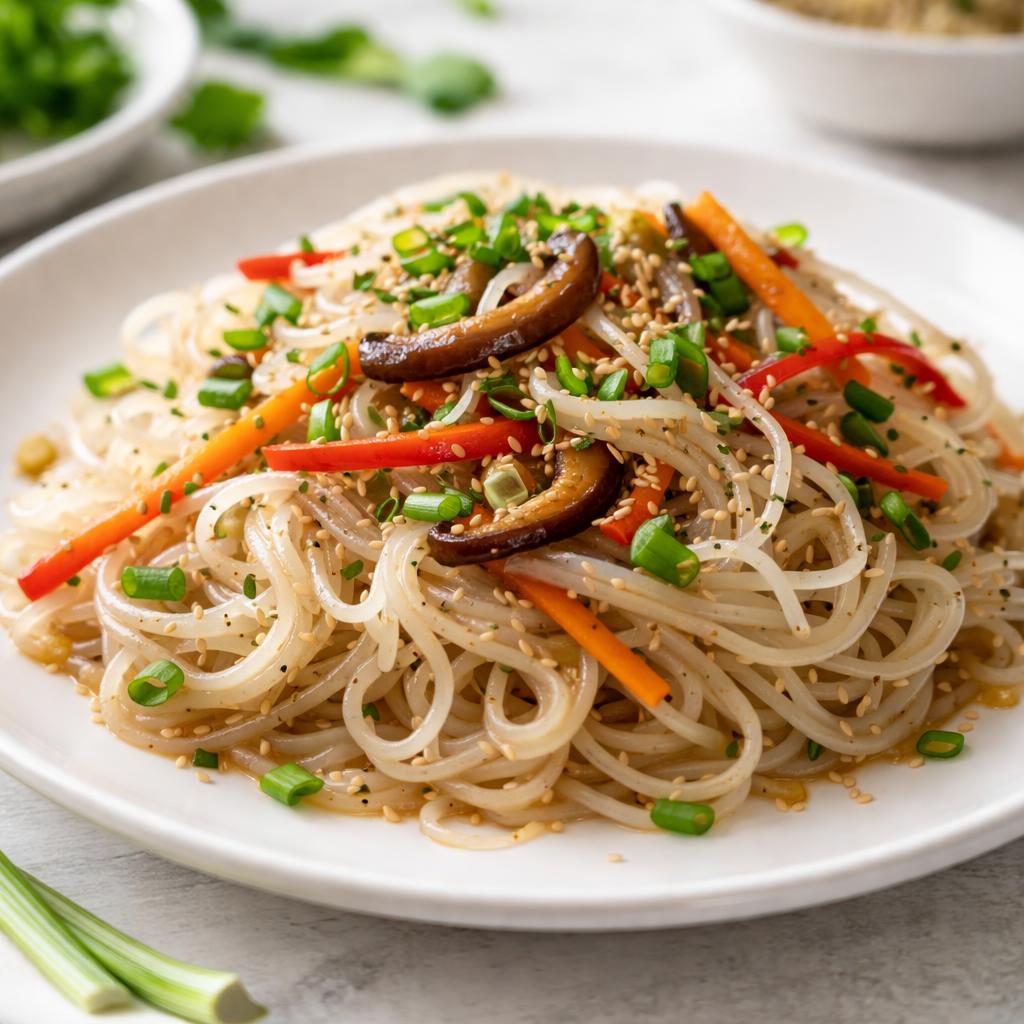
Shirataki Noodles
🎯 Quick Verdict
Spanish rice and shirataki noodles are nutritionally distinct. Spanish rice is higher in fiber, carbohydrates, and calories, making it better for energy supply. Shirataki noodles are exceptionally low in calories and carbs, suitable for weight loss and low-carb diets. Both are vegan and gluten-free, but their use cases differ significantly depending on dietary goals.

Smart Nutrition Tracking with SnapCalorie

📊 Nutritional Comparison
Macronutrients
| Nutrient | Food 1 | Food 2 | Winner |
|---|---|---|---|
| Calories | 200 | 15 | ✓ |
| Protein | 4g | 4g | − |
| Carbs | 40g | 2g | ✓ |
| Fat | 5g | 0g | ✓ |
| Fiber | 3g | 2g | ✓ |
Vitamins & Minerals
| Nutrient | Food 1 | Food 2 | Winner |
|---|---|---|---|
| Vitamin D | 0mcg | 0mcg | − |
| Calcium | 40mg | 16mg | ✓ |
| Iron | 1mg | 0mg | ✓ |
🏆 Category Winners
Protein
Both foods provide 4g of protein per serving.
Fiber
Spanish rice has 50% more fiber than shirataki noodles.
Calories
Shirataki noodles have an extremely low calorie count, making them better for energy control.
Vitamins
Spanish rice has slightly better micronutrient levels like calcium and iron.
🥗 Diet Compatibility
Keto
Food 1: Not Compatible
Food 2: Compatible
Shirataki noodles are keto-friendly due to extremely low carb content.
Vegan
Food 1: Compatible
Food 2: Compatible
Both foods are plant-based and vegan-friendly.
Gluten Free
Food 1: Compatible
Food 2: Compatible
Neither food contains gluten.
Paleo
Food 1: Not Compatible
Food 2: Compatible
Shirataki noodles meet paleo guidelines, while Spanish rice does not.
Low Carb
Food 1: Not Compatible
Food 2: Compatible
Shirataki noodles are exceptionally low in carbohydrates compared to Spanish rice.
💪 Health Benefits Comparison
Food 1 Benefits
- Provides a good source of fiber for digestive health
- Good energy source from complex carbohydrates
- Contains minerals like calcium and iron to support bone and blood health
Food 2 Benefits
- Extremely low in calories, ideal for weight control
- Low-carb option suitable for blood sugar management
- Helps increase satiety due to water content and glucomannan fiber
✅ The Bottom Line
Shirataki noodles are better for weight loss, low-carb diets, and overall calorie control, while Spanish rice provides more fiber, minerals, and sustained energy for physically active individuals. Choose shirataki noodles for keto and paleo goals, or Spanish rice for balanced meals requiring higher energy density.
Choose Food 1 for: Balanced meals, energy needs, fiber intake
Choose Food 2 for: Weight loss, carb restriction, satiety and fullness


