Spanish Rice VS Rice With Sauce
A detailed nutritional comparison
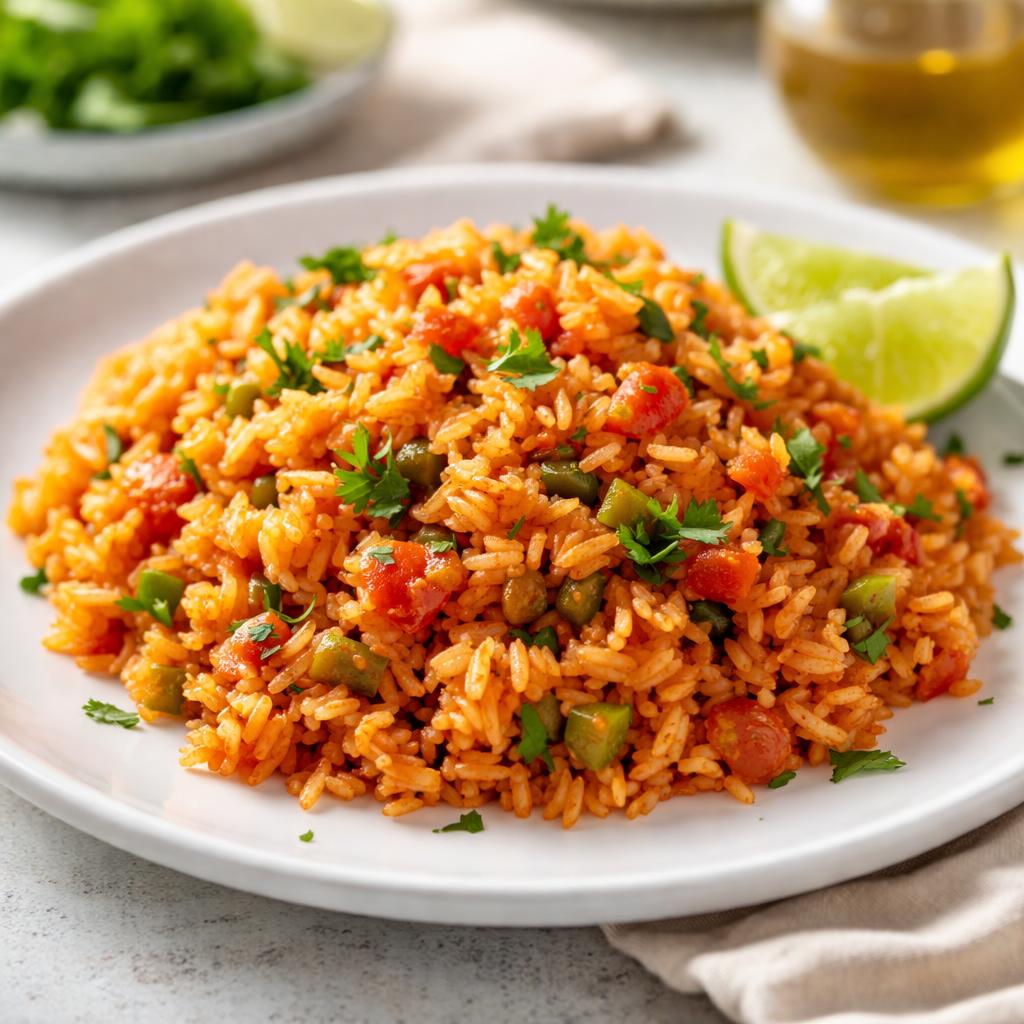
Spanish Rice
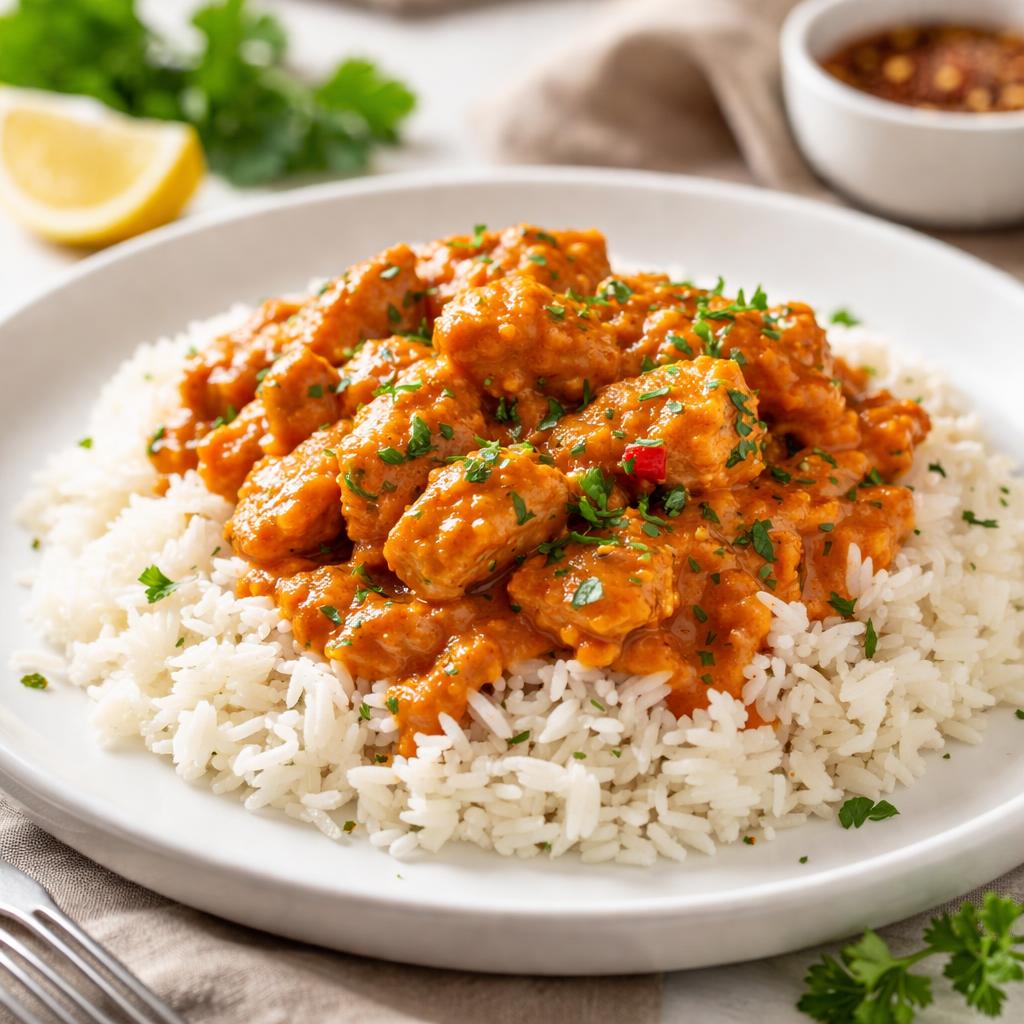
Rice With Sauce
🎯 Quick Verdict
Spanish rice is lower in calories, slightly higher in protein, and contains more fiber compared to rice with sauce, making it a better choice for weight management and digestion. Rice with sauce tends to have higher fat content and is not ideal for low-carb diets, but may offer more flavor and sustained energy for active lifestyles or pairing with protein-rich dishes.

Smart Nutrition Tracking with SnapCalorie

📊 Nutritional Comparison
Macronutrients
| Nutrient | Food 1 | Food 2 | Winner |
|---|---|---|---|
| Calories | 160 | 190 | ✓ |
| Protein | 4g | 3g | ✓ |
| Carbs | 33g | 35g | ✓ |
| Fat | 2g | 5g | ✓ |
| Fiber | 2g | 1g | ✓ |
Vitamins & Minerals
| Nutrient | Food 1 | Food 2 | Winner |
|---|---|---|---|
| Vitamin A | 150IU | 120IU | ✓ |
| Vitamin C | 5mg | 3mg | ✓ |
| Iron | 1.2mg | 0.8mg | ✓ |
🏆 Category Winners
Protein
Spanish rice has 33% more protein per serving compared to rice with sauce.
Fiber
Spanish rice contains twice as much dietary fiber for digestive health.
Calories
Spanish rice is 16% lower in calories per serving.
Vitamins
Spanish rice provides more vitamin A, vitamin C, and iron overall.
🥗 Diet Compatibility
Keto
Food 1: Not Compatible
Food 2: Not Compatible
Both are high-carb and not suitable for a keto diet.
Vegan
Food 1: Compatible
Food 2: Compatible
Both are plant-based and meet vegan dietary requirements.
Gluten Free
Food 1: Compatible
Food 2: Compatible
Both are naturally gluten-free and safe for those with gluten restrictions.
Paleo
Food 1: Not Compatible
Food 2: Not Compatible
Neither food is strictly paleo due to processed ingredients.
Low Carb
Food 1: Not Compatible
Food 2: Not Compatible
Both foods contain over 30g of carbohydrates per serving, which is too high for a low-carb diet.
💪 Health Benefits Comparison
Food 1 Benefits
- Lower in fat, supporting heart health
- Provides a moderate amount of protein for muscle maintenance
- Higher in dietary fiber to promote better digestion
- Rich in vitamins A and C, supporting immunity and vision
Food 2 Benefits
- More flavorful, enhancing meal satisfaction
- Provides healthy fats for sustainable energy
- Pairs well nutritionally with protein-rich dishes
- Offers antioxidants for overall cell health
✅ The Bottom Line
Spanish rice is the better option for weight management and digestive health due to its lower calories and higher fiber. Choose rice with sauce if you are looking for enhanced flavor or need higher fat content for sustained energy. Both are good for vegan and gluten-free diets, but not suitable for keto or low-carb plans.
Choose Food 1 for: Weight loss, fiber-rich meals, light side dishes
Choose Food 2 for: High-energy meals, flavor enhancement, pairing with protein-rich dishes


