Spanish Rice VS Quaker Oats
A detailed nutritional comparison
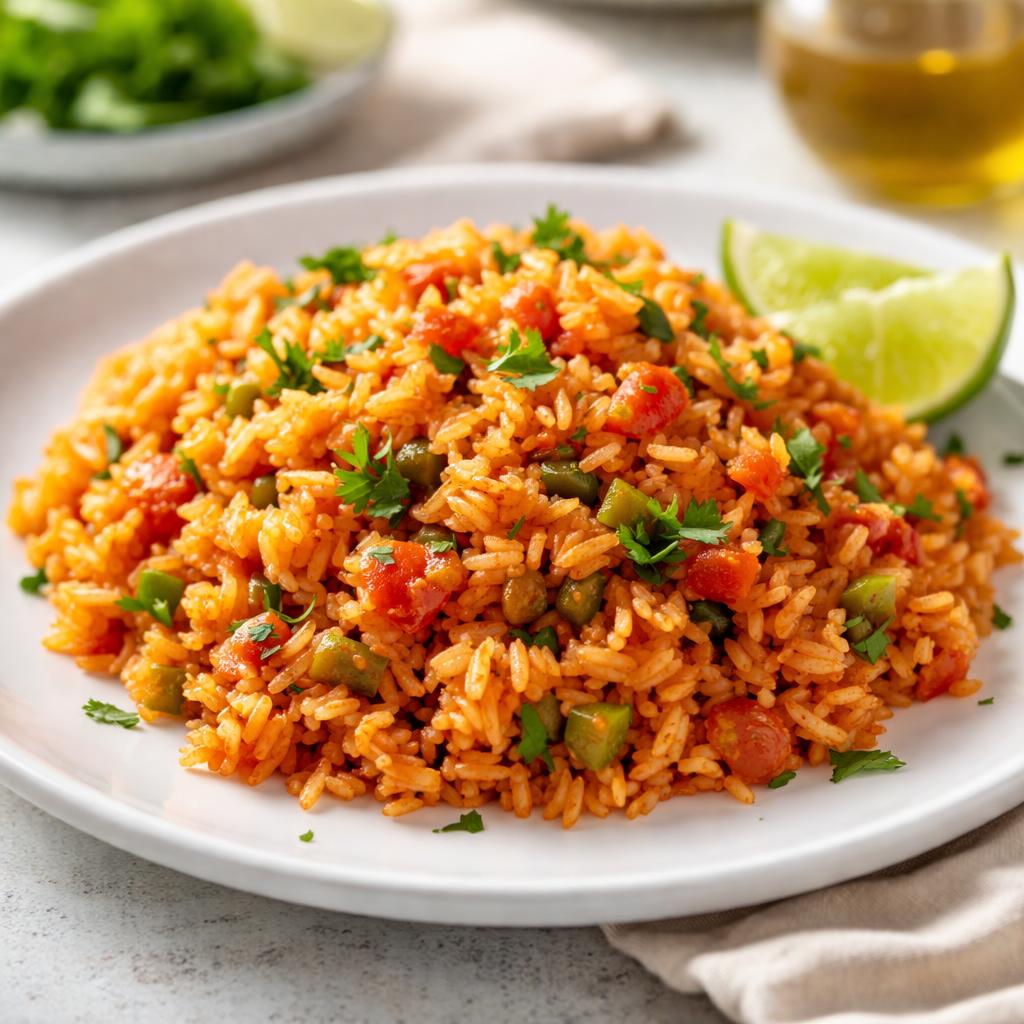
Spanish Rice
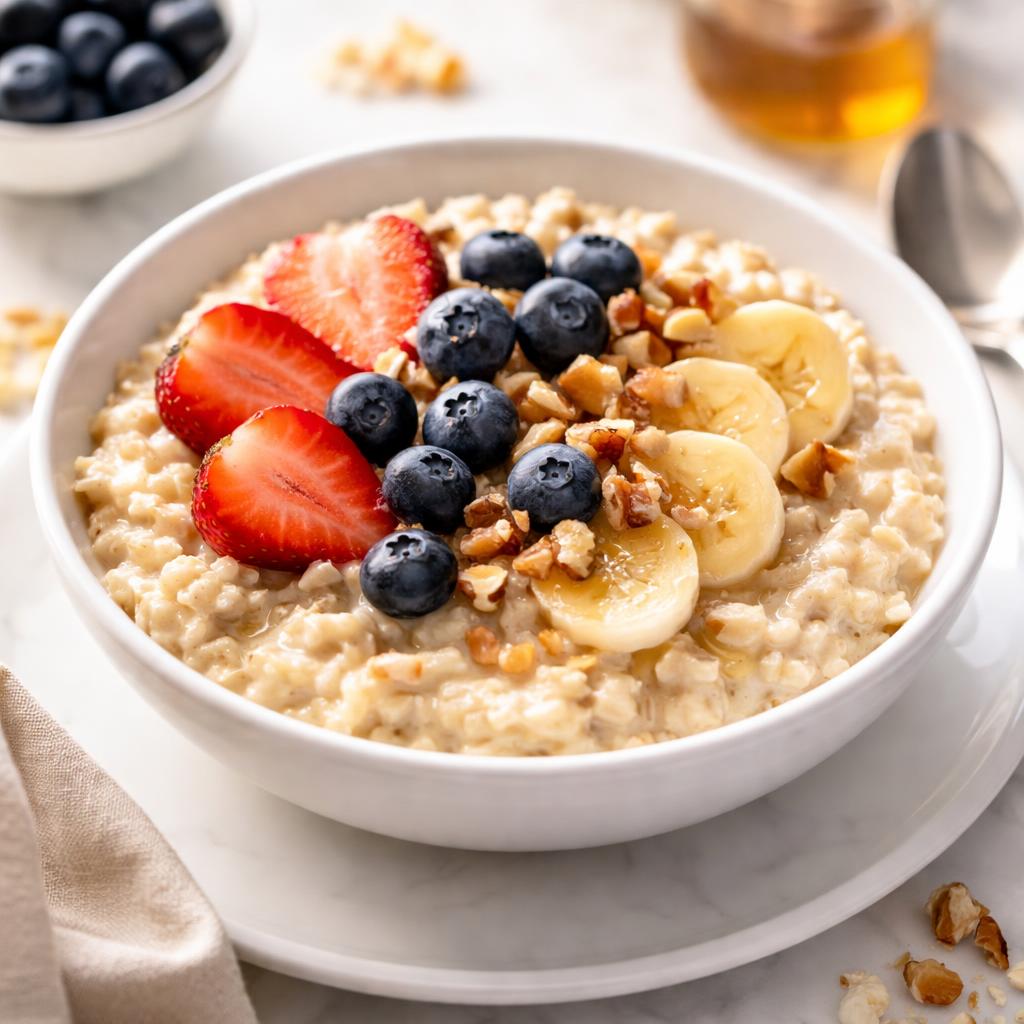
Quaker Oats
🎯 Quick Verdict
Quaker oats (Food 2) are overall more nutrient-dense than Spanish rice (Food 1), offering higher protein, more fiber, and fewer calories per serving. Spanish rice is higher in carbohydrates and may be preferred for energy-related use cases. Oats are a better option for weight management, heart health, and sustained energy due to their balanced nutrient profile.

Smart Nutrition Tracking with SnapCalorie

📊 Nutritional Comparison
Macronutrients
| Nutrient | Food 1 | Food 2 | Winner |
|---|---|---|---|
| Calories | 215 | 150 | ✓ |
| Protein | 4g | 5g | ✓ |
| Carbs | 40g | 27g | ✓ |
| Fat | 4g | 3g | ✓ |
| Fiber | 2g | 4g | ✓ |
Vitamins & Minerals
| Nutrient | Food 1 | Food 2 | Winner |
|---|---|---|---|
| Vitamin D | 0mcg | 0mcg | − |
| Calcium | 25mg | 20mg | ✓ |
| Iron | 1mg | 2mg | ✓ |
🏆 Category Winners
Protein
Quaker oats have slightly more protein, offering 5g per serving.
Fiber
Quaker oats provide double the fiber compared to Spanish rice.
Calories
Quaker oats have 30% fewer calories per serving compared to Spanish rice.
🥗 Diet Compatibility
Keto
Food 1: Not Compatible
Food 2: Not Compatible
Both foods are high in carbohydrates.
Vegan
Food 1: Compatible
Food 2: Compatible
Both are plant-based foods, making them suitable for vegan diets.
Gluten Free
Food 1: Compatible
Food 2: Compatible
Neither food contains gluten inherently.
Paleo
Food 1: Not Compatible
Food 2: Not Compatible
Both contain grains, which are not approved in typical paleo diets.
Low-Carb
Food 1: Not Compatible
Food 2: Not Compatible
Both foods are high in carbohydrates and do not fit low-carb guidelines.
💪 Health Benefits Comparison
Food 1 Benefits
- Provides quick energy due to high carbohydrate content
- Contains moderate amounts of iron for healthy red blood cell production
- Low fat content makes it suitable for lighter meals
Food 2 Benefits
- Rich in fiber for improved digestion and heart health
- Contains complex carbohydrates for sustained energy
- Provides protein for muscle maintenance and repair
- Contains antioxidants and plant-based compounds supporting overall health
✅ The Bottom Line
Quaker oats are more nutrient-dense overall, offering higher fiber, protein, and lower calories per serving, making them ideal for weight management, sustained energy, and heart health. Spanish rice, on the other hand, is better suited for meals requiring quick energy due to its higher carbohydrate content. Both foods are compatible with vegan and gluten-free diets but not suitable for keto or low-carb lifestyles.
Choose Food 1 for: High-energy meals, traditional dishes, food variety
Choose Food 2 for: Weight management, heart health, post-workout recovery


