Spanish Rice VS Garlic Rice
A detailed nutritional comparison
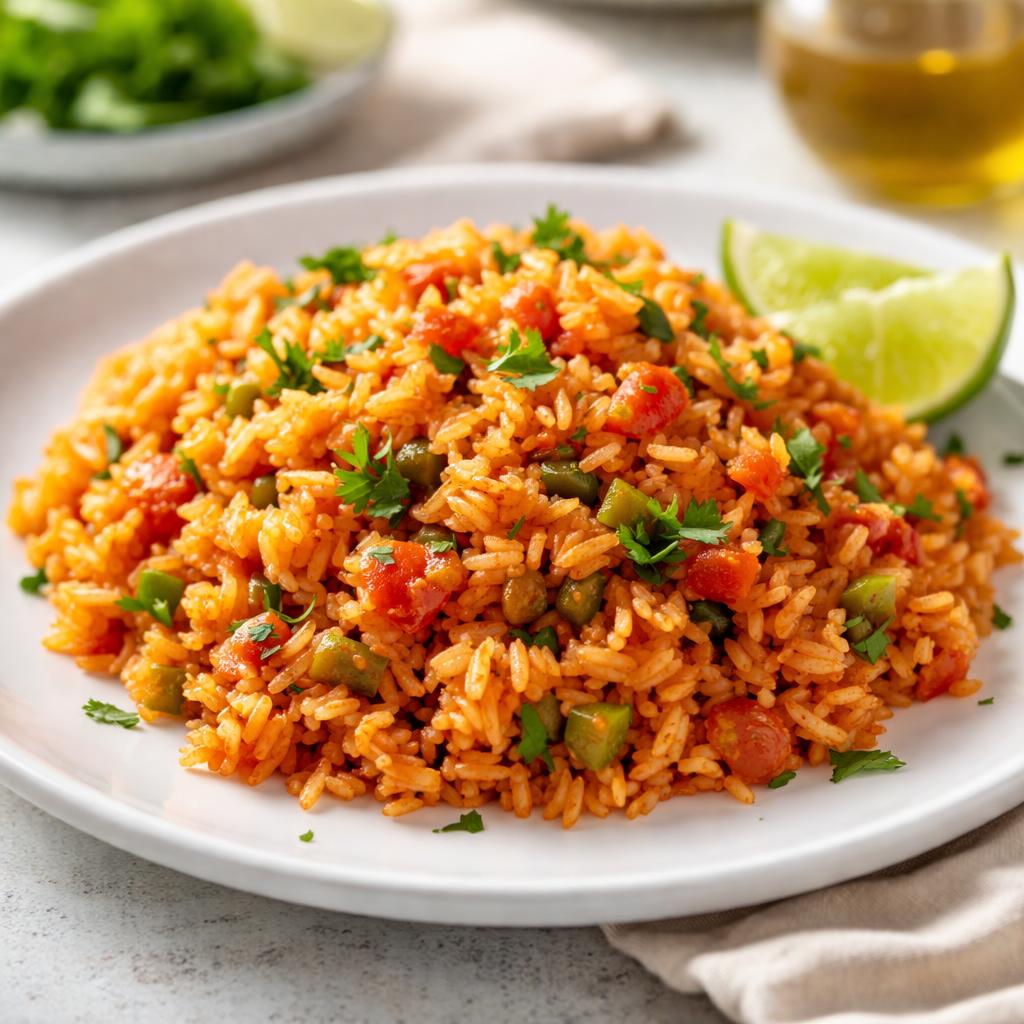
Spanish Rice
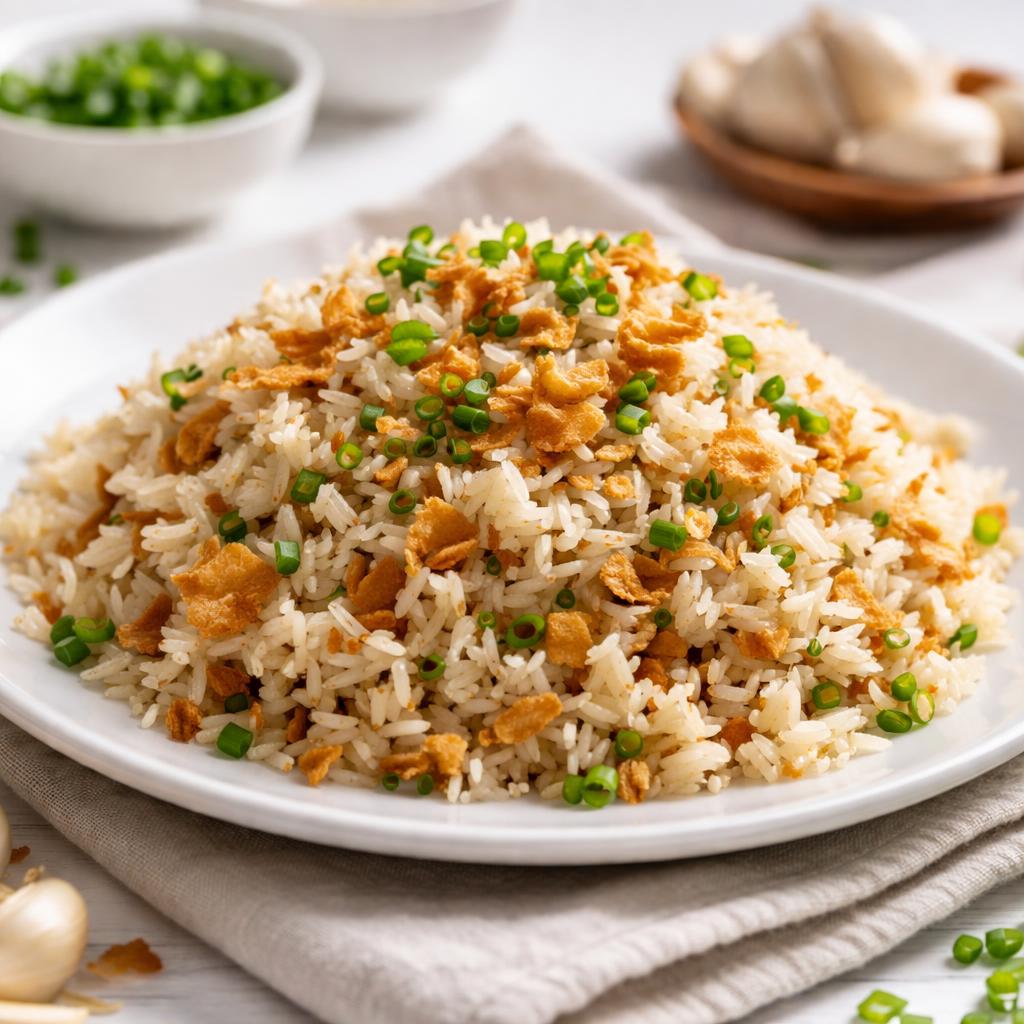
Garlic Rice
🎯 Quick Verdict
Spanish rice and garlic rice differ significantly in their nutritional profiles. Spanish rice provides more fiber and nutrients such as vitamin A, while garlic rice is typically lower in calories and contains slightly more B vitamins. Spanish rice is more suited for nutrient density, while garlic rice offers a more calorie-conscious option with robust flavor for simple meals.

Smart Nutrition Tracking with SnapCalorie

📊 Nutritional Comparison
Macronutrients
| Nutrient | Food 1 | Food 2 | Winner |
|---|---|---|---|
| Calories | 220 | 180 | ✓ |
| Protein | 5g | 5g | − |
| Carbs | 42g | 36g | ✓ |
| Fat | 2g | 3g | ✓ |
| Fiber | 3g | 1g | ✓ |
Vitamins & Minerals
| Nutrient | Food 1 | Food 2 | Winner |
|---|---|---|---|
| Vitamin A | 60mcg | 5mcg | ✓ |
| Vitamin B6 | 0.2mg | 0.3mg | ✓ |
| Vitamin C | 2mg | 1mg | ✓ |
🏆 Category Winners
Protein
Both foods provide 5g of protein per serving.
Fiber
Spanish rice offers 3g fiber per serving, compared to 1g in garlic rice.
Calories
Garlic rice is lower in calories, with 180 kcal compared to 220 kcal in Spanish rice.
Vitamins
Spanish rice contains higher levels of vitamin A and vitamin C.
🥗 Diet Compatibility
Keto
Food 1: Not Compatible
Food 2: Not Compatible
Both are high-carb foods unsuitable for a ketogenic diet.
Vegan
Food 1: Compatible
Food 2: Compatible
Both are plant-based and do not contain animal products.
Gluten Free
Food 1: Compatible
Food 2: Compatible
Both typically use rice, which is naturally gluten-free.
Paleo
Food 1: Not Compatible
Food 2: Not Compatible
Neither food fits the paleo diet due to added ingredients like vegetable oils or seasonings.
Low-Carb
Food 1: Not Compatible
Food 2: Not Compatible
Both foods are high in carbohydrates.
💪 Health Benefits Comparison
Food 1 Benefits
- High in fiber, supporting healthy digestion.
- Provides vitamin A for eye and skin health.
- Good source of carbohydrates for energy.
Food 2 Benefits
- Lower in calories, ideal for calorie-conscious diets.
- Contains heart-healthy garlic with antioxidant properties.
- Provides vitamin B6 for brain and immune function.
✅ The Bottom Line
Choose Spanish rice for more fiber and nutrients like vitamin A and C, making it a nutrient-dense option for meals or side dishes. Opt for garlic rice when seeking a lighter, flavorful, and calorie-conscious addition to meals without compromising on taste.
Choose Food 1 for: Fiber-rich meals, nutrient density, balanced energy
Choose Food 2 for: Lower calorie diets, flavorful meals, lightweight options


