Spanish Rice VS Couscous Salad
A detailed nutritional comparison
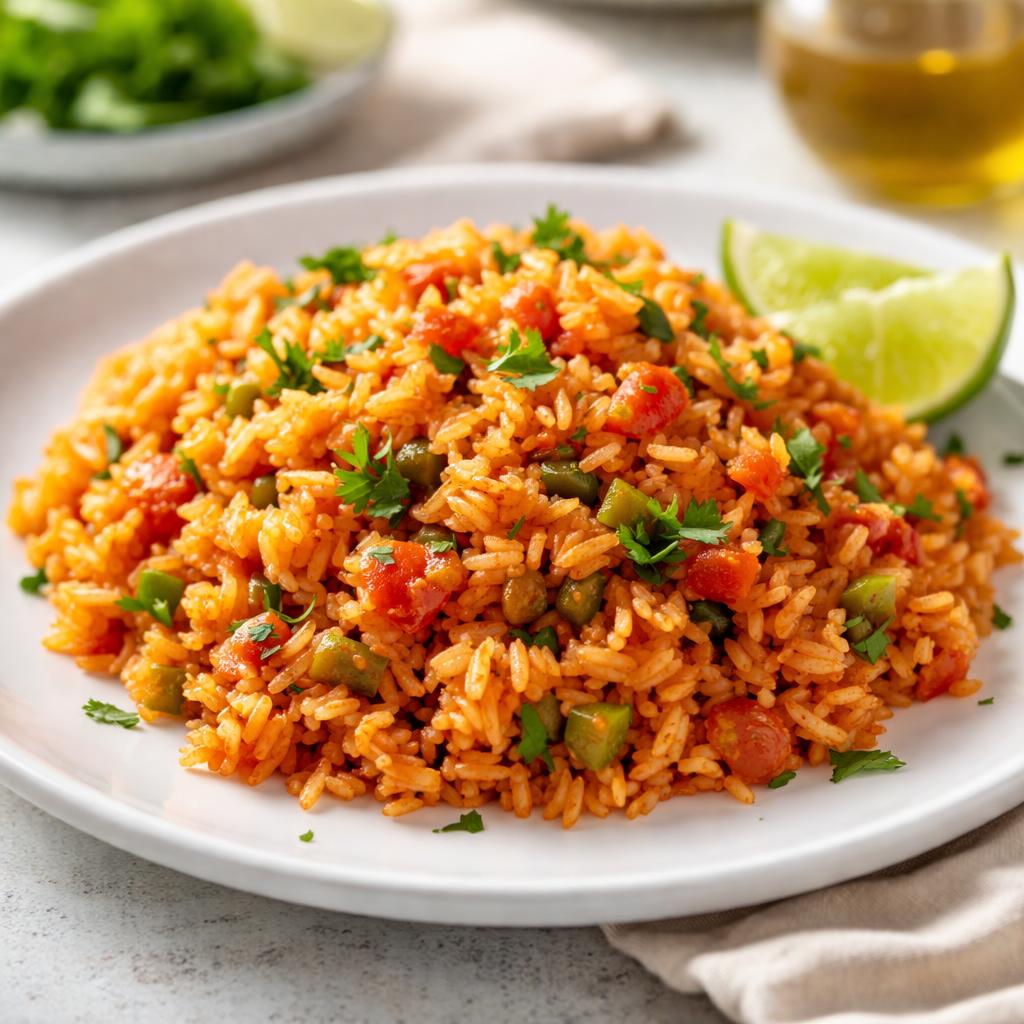
Spanish Rice
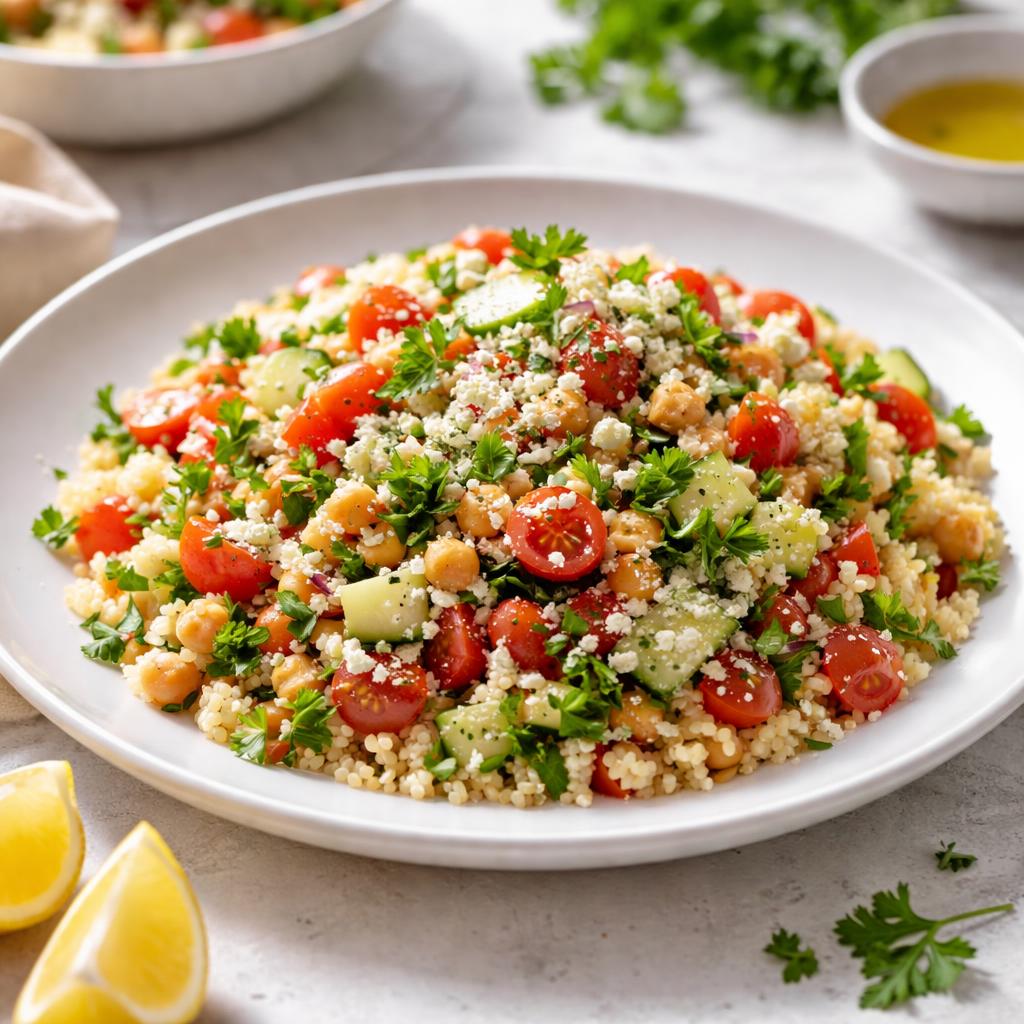
Couscous Salad
🎯 Quick Verdict
Couscous salad generally outperforms Spanish rice in terms of nutritional value, offering more protein, fiber, and micronutrients. Spanish rice, however, is lower in calories, making it a more lightweight option. Spanish rice's simple carb profile supports quick energy, whereas couscous salad is better for sustained satiety and nutrient density in balanced diets.

Smart Nutrition Tracking with SnapCalorie

📊 Nutritional Comparison
Macronutrients
| Nutrient | Food 1 | Food 2 | Winner |
|---|---|---|---|
| Calories | 160 per cup | 220 per cup | ✓ |
| Protein | 3g | 8g | ✓ |
| Carbs | 35g | 38g | ✓ |
| Fat | 2g | 7g | ✓ |
| Fiber | 2g | 4g | ✓ |
Vitamins & Minerals
| Nutrient | Food 1 | Food 2 | Winner |
|---|---|---|---|
| Vitamin A | 50 IU | 200 IU | ✓ |
| Vitamin C | 5mg | 18mg | ✓ |
| Iron | 1mg | 2.5mg | ✓ |
🏆 Category Winners
Protein
Couscous salad provides more than double the protein per serving compared to Spanish rice.
Fiber
Couscous salad offers double the fiber, supporting digestive health and satiety.
Calories
Spanish rice contains approximately 25% fewer calories per serving.
🥗 Diet Compatibility
Keto
Food 1: Not Compatible
Food 2: Not Compatible
Both foods are high in carbohydrates, exceeding keto limits.
Vegan
Food 1: Compatible
Food 2: Compatible
Both foods can be prepared plant-based without animal products.
Gluten Free
Food 1: Compatible
Food 2: Not Compatible
Spanish rice is naturally gluten-free; couscous contains gluten as it is made from wheat.
Paleo
Food 1: Not Compatible
Food 2: Not Compatible
Both foods contain processed grains that are not paleo-friendly.
Low-Carb
Food 1: Not Compatible
Food 2: Not Compatible
The carbs in both foods are too high for low-carb diets.
💪 Health Benefits Comparison
Food 1 Benefits
- Lower calorie option for weight management
- Quick source of energy due to high carbohydrate content
- Can be enriched with vegetables and spices for added nutrients
Food 2 Benefits
- Rich in protein for muscle repair and growth
- Good source of fiber to support digestion
- Contains micronutrients like vitamin C for immunity and healthy skin
- Higher in healthy fats for sustained energy
✅ The Bottom Line
Choose couscous salad for a higher protein and fiber option that also delivers more vitamins and minerals, making it a nutrient-dense dish for balanced meals. Opt for Spanish rice if you are prioritizing a lighter calorie intake or need quick energy from carbs.
Choose Food 1 for: Weight management, quick energy meals, side dish for light meals
Choose Food 2 for: Post-workout recovery, nutrient-dense main meals, sustainable energy


