Sourdough Bread VS Whole Grain Bread
A detailed nutritional comparison
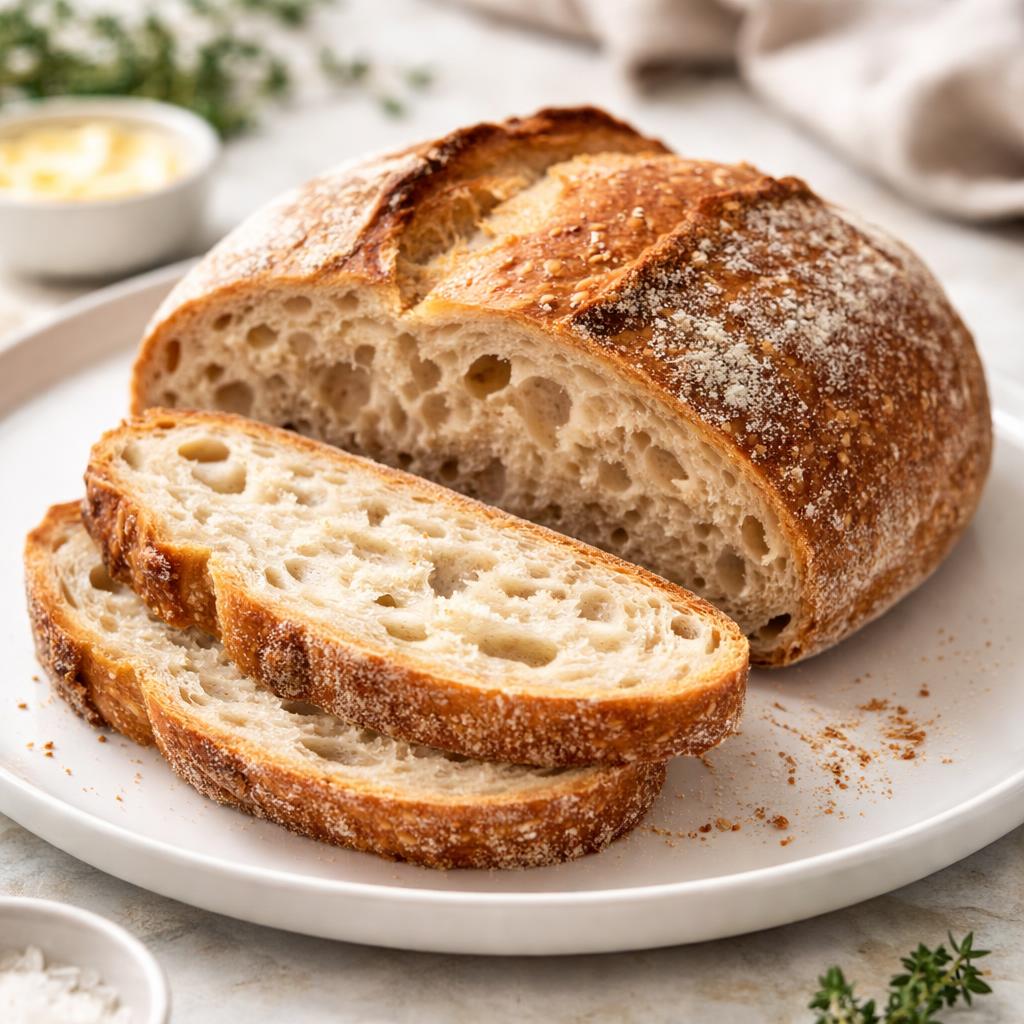
Sourdough Bread
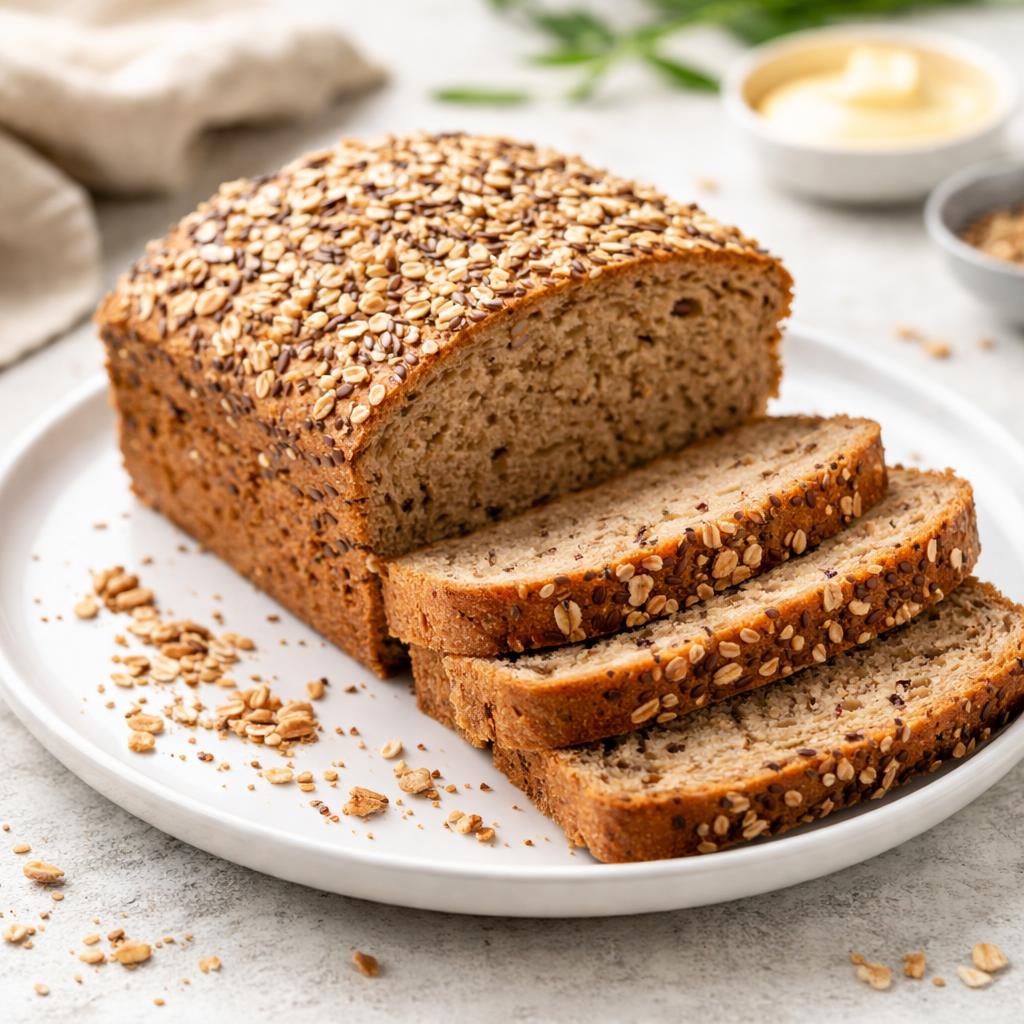
Whole Grain Bread
🎯 Quick Verdict
Whole grain bread generally offers more fiber, protein, and vitamins compared to sourdough bread, making it more nutrient-dense and ideal for overall health. Sourdough bread is lower in calories and often easier to digest due to its fermentation process, making it great for weight loss and sensitive stomachs.

Smart Nutrition Tracking with SnapCalorie

📊 Nutritional Comparison
Macronutrients
| Nutrient | Food 1 | Food 2 | Winner |
|---|---|---|---|
| Calories | 140 (per slice) | 150 (per slice) | ✓ |
| Protein | 4g | 6g | ✓ |
| Carbs | 28g | 25g | ✓ |
| Fat | 1g | 2g | ✓ |
| Fiber | 1g | 3g | ✓ |
Vitamins & Minerals
| Nutrient | Food 1 | Food 2 | Winner |
|---|---|---|---|
| Vitamin B6 | 0.01mg | 0.05mg | ✓ |
| Iron | 0.7mg | 1.2mg | ✓ |
| Magnesium | 10mg | 30mg | ✓ |
🏆 Category Winners
Protein
Whole grain bread contains 50% more protein per slice.
Fiber
Whole grain bread has three times more fiber, supporting digestion and satiety.
Calories
Sourdough bread is 10 calories lower per slice, making it slightly lighter.
Vitamins
Whole grain bread offers greater amounts of iron, magnesium, and B vitamins.
🥗 Diet Compatibility
Keto
Food 1: Not Compatible
Food 2: Not Compatible
Both are high-carb and not suitable for keto diets.
Vegan
Food 1: Compatible
Food 2: Compatible
Both breads are plant-based unless additives are included.
Gluten Free
Food 1: Not Compatible
Food 2: Not Compatible
Both contain gluten unless specifically labeled gluten-free.
Paleo
Food 1: Not Compatible
Food 2: Not Compatible
Neither is allowed in paleo diets due to grains.
Low Carb
Food 1: Not Compatible
Food 2: Not Compatible
Both breads contain significant carbohydrate amounts.
💪 Health Benefits Comparison
Food 1 Benefits
- Easier digestion due to natural fermentation
- Lower glycemic index for better blood sugar control
- Lower calorie option for weight management
Food 2 Benefits
- High in fiber for improved digestion and satiety
- Richer in vitamins and minerals, supporting overall health
- Contains more protein for muscle maintenance and repair
✅ The Bottom Line
Choose sourdough bread for weight loss, easier digestion, or if you prefer tangy flavors. Opt for whole grain bread if you prioritize fiber, vitamins, and protein for overall health and energy. Both can fit into a balanced diet depending on your goals.
Choose Food 1 for: Weight loss, digestion sensitivity, lower calorie diets
Choose Food 2 for: Heart health, sustained energy, nutrient density


