Sourdough Bread VS White Bread Slice
A detailed nutritional comparison
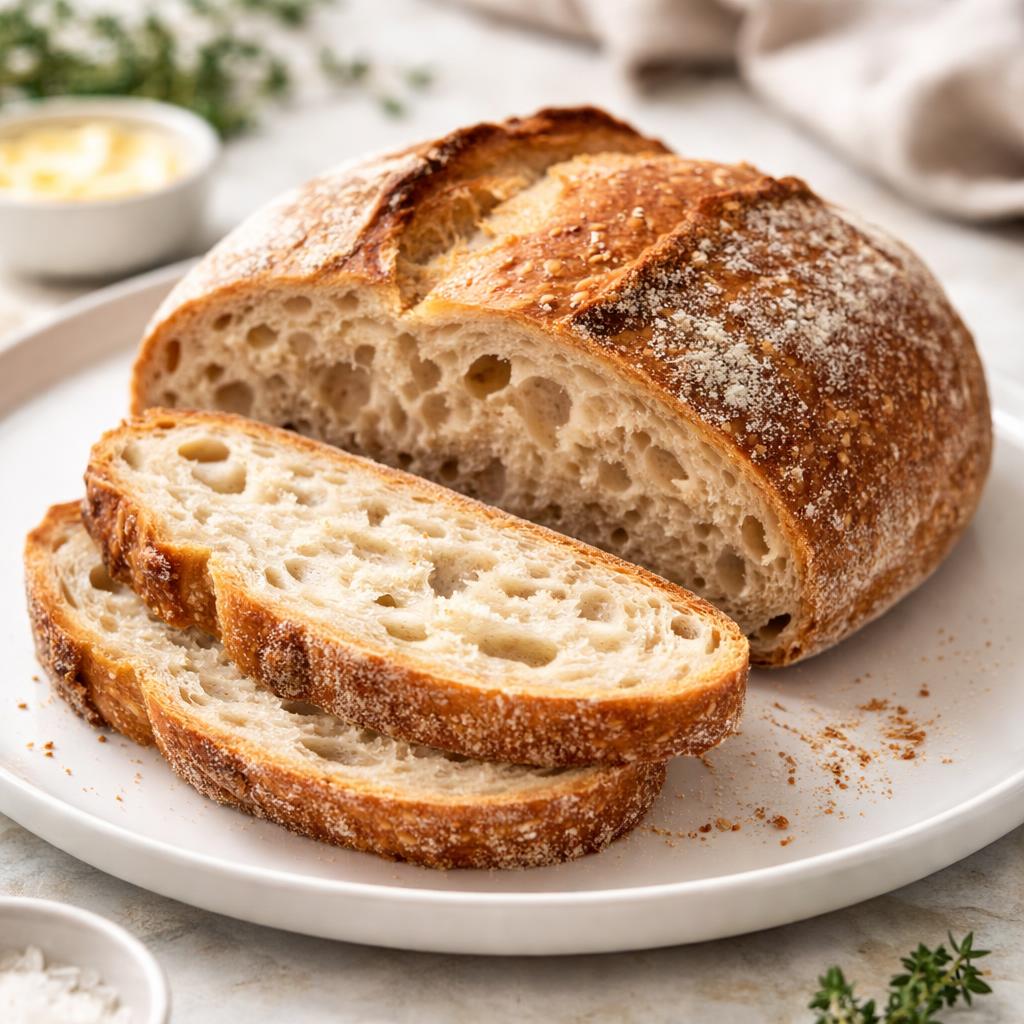
Sourdough Bread
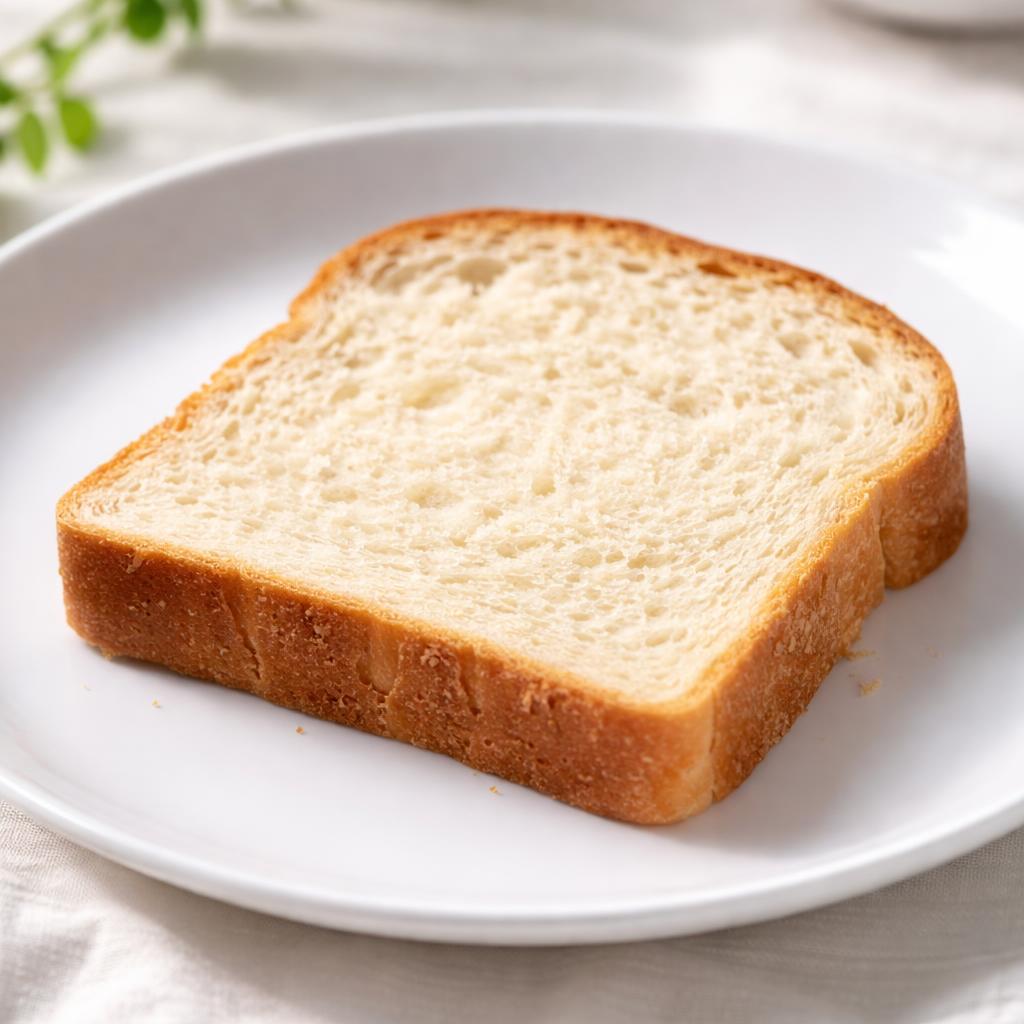
White Bread Slice
🎯 Quick Verdict
Sourdough bread offers slightly higher nutritional value compared to white bread, being richer in fiber, minerals, and gut-friendly properties while having the same calorie count. White bread is less nutrient-dense but offers straightforward energy, making it a convenient choice for quick meals or snacks.

Smart Nutrition Tracking with SnapCalorie

📊 Nutritional Comparison
Macronutrients
| Nutrient | Food 1 | Food 2 | Winner |
|---|---|---|---|
| Calories | 80 per slice | 80 per slice | − |
| Protein | 2g | 2g | − |
| Carbs | 15g | 15g | − |
| Fat | 0.5g | 0.5g | − |
| Fiber | 2g | 0.8g | ✓ |
Vitamins & Minerals
| Nutrient | Food 1 | Food 2 | Winner |
|---|---|---|---|
| Vitamin B1 (Thiamin) | 0.1mg | 0.09mg | ✓ |
| Folate | 15mcg | 25mcg | ✓ |
| Magnesium | 9mg | 6mg | ✓ |
| Sodium | 150mg | 170mg | ✓ |
🏆 Category Winners
Protein
Both sourdough and white bread contain 2g protein per slice.
Fiber
Sourdough has 2g fiber per slice compared to 0.8g in white bread.
Calories
Both foods contain the same number of calories (80 per slice).
Vitamins
Sourdough bread provides more magnesium and thiamin, though white bread has slightly more folate.
🥗 Diet Compatibility
Keto
Food 1: Not Compatible
Food 2: Not Compatible
Both are high in carbs, making them unsuitable for keto diets.
Vegan
Food 1: Compatible
Food 2: Compatible
Both breads are typically plant-based and suitable for vegans.
Gluten Free
Food 1: Not Compatible
Food 2: Not Compatible
Both contain gluten and are unsuitable for gluten-free diets.
Paleo
Food 1: Not Compatible
Food 2: Not Compatible
Grain-based breads are not allowed on paleo diets.
Low Carb
Food 1: Not Compatible
Food 2: Not Compatible
Each slice contains 15g of carbohydrates, exceeding low-carb allowances.
💪 Health Benefits Comparison
Food 1 Benefits
- Higher fiber for better digestion
- Contains natural fermentation microbes beneficial for gut health
- Lower sodium compared to white bread
Food 2 Benefits
- Provides quick digestible energy
- Fortified with folate for cellular health
- Widely accessible and affordable for meal prep
✅ The Bottom Line
Sourdough bread is the better choice if you’re looking for higher fiber content and gut-friendly benefits, particularly for digestion. White bread is a simple option for quick energy or general snack convenience.
Choose Food 1 for: Gut health, weight management, nutrient density
Choose Food 2 for: Quick energy boost, simple meals, affordability


