Sourdough Bread VS Wheat Biscuits
A detailed nutritional comparison
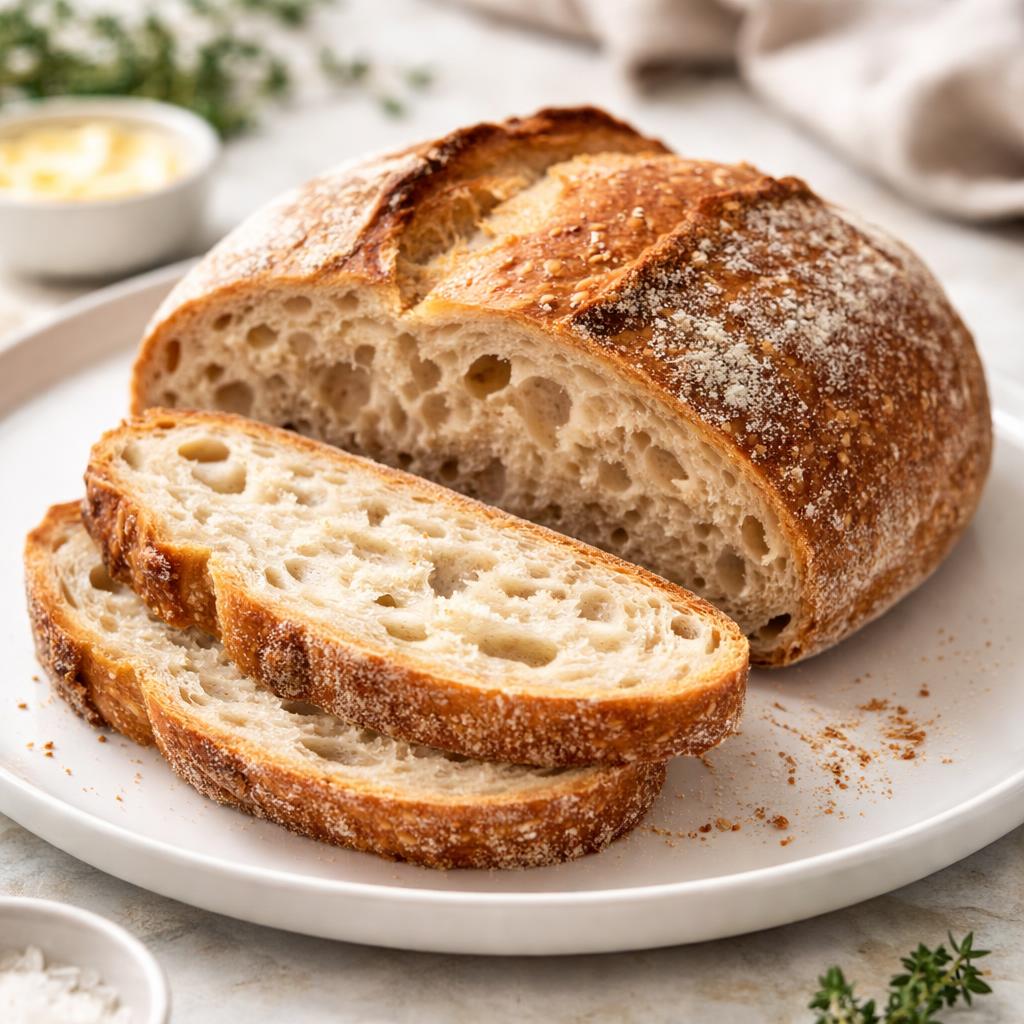
Sourdough Bread
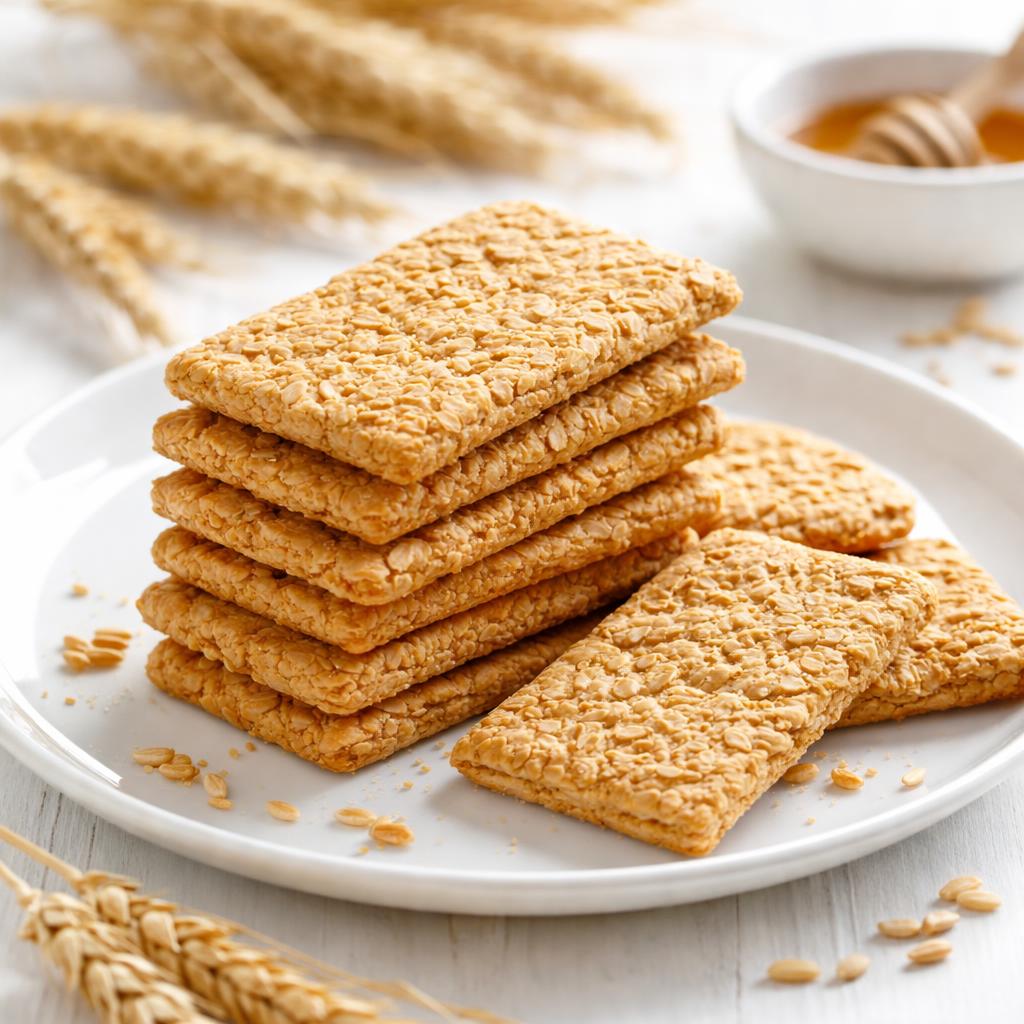
Wheat Biscuits
🎯 Quick Verdict
Sourdough bread and wheat biscuits differ primarily in calories, protein, and fiber. Sourdough bread is lower in calories, making it suitable for weight-conscious diets, while wheat biscuits are higher in protein and fiber, ideal for digestive health and sustaining energy levels. Choose sourdough for light snacks or wheat biscuits for a nutrient-dense option.

Smart Nutrition Tracking with SnapCalorie

📊 Nutritional Comparison
Macronutrients
| Nutrient | Food 1 | Food 2 | Winner |
|---|---|---|---|
| Calories | 120 per slice (40g) | 150 per biscuit (40g) | ✓ |
| Protein | 4g | 5g | ✓ |
| Carbs | 22g | 27g | ✓ |
| Fat | 0.8g | 1.5g | ✓ |
| Fiber | 1.3g | 3.8g | ✓ |
Vitamins & Minerals
| Nutrient | Food 1 | Food 2 | Winner |
|---|---|---|---|
| Vitamin B1 (Thiamine) | 0.04mg | 0.2mg | ✓ |
| Vitamin B9 (Folate) | 20mcg | 55mcg | ✓ |
| Iron | 0.8mg | 1.6mg | ✓ |
🏆 Category Winners
Protein
Food2 has 25% more protein per serving.
Fiber
Food2 provides nearly triple the fiber of food1.
Calories
Food1 is 20% lower in calories.
Vitamins
Food2 is more nutrient-dense, with higher levels of B vitamins and iron.
🥗 Diet Compatibility
Keto
Food 1: Not Compatible
Food 2: Not Compatible
Both foods are high in carbs.
Vegan
Food 1: Compatible
Food 2: Compatible
Both are plant-based and free of animal products.
Gluten Free
Food 1: Not Compatible
Food 2: Not Compatible
Both contain gluten from wheat.
Paleo
Food 1: Not Compatible
Food 2: Not Compatible
Grain-based foods are not paleo-approved.
Low-Carb
Food 1: Not Compatible
Food 2: Not Compatible
Neither is low-carb due to >20g carbs per serving.
💪 Health Benefits Comparison
Food 1 Benefits
- Low in calories for weight management
- Easier digestion due to fermentation process
- Contains trace minerals such as selenium and manganese
Food 2 Benefits
- High in fiber for improved digestion and satiety
- Rich in B vitamins for energy metabolism
- Provides iron for better oxygen transport in the body
✅ The Bottom Line
Choose sourdough bread for lighter caloric intake and easier digestion, making it suitable for weight management or light snacking. Opt for wheat biscuits for higher fiber, protein, and nutrient density, perfect for digestive health and sustained energy during busy days.
Choose Food 1 for: Weight management, light snacks, easier digestion
Choose Food 2 for: Digestive health, sustained energy, nutrient density


