Sourdough Bread VS Slice Of White Bread
A detailed nutritional comparison
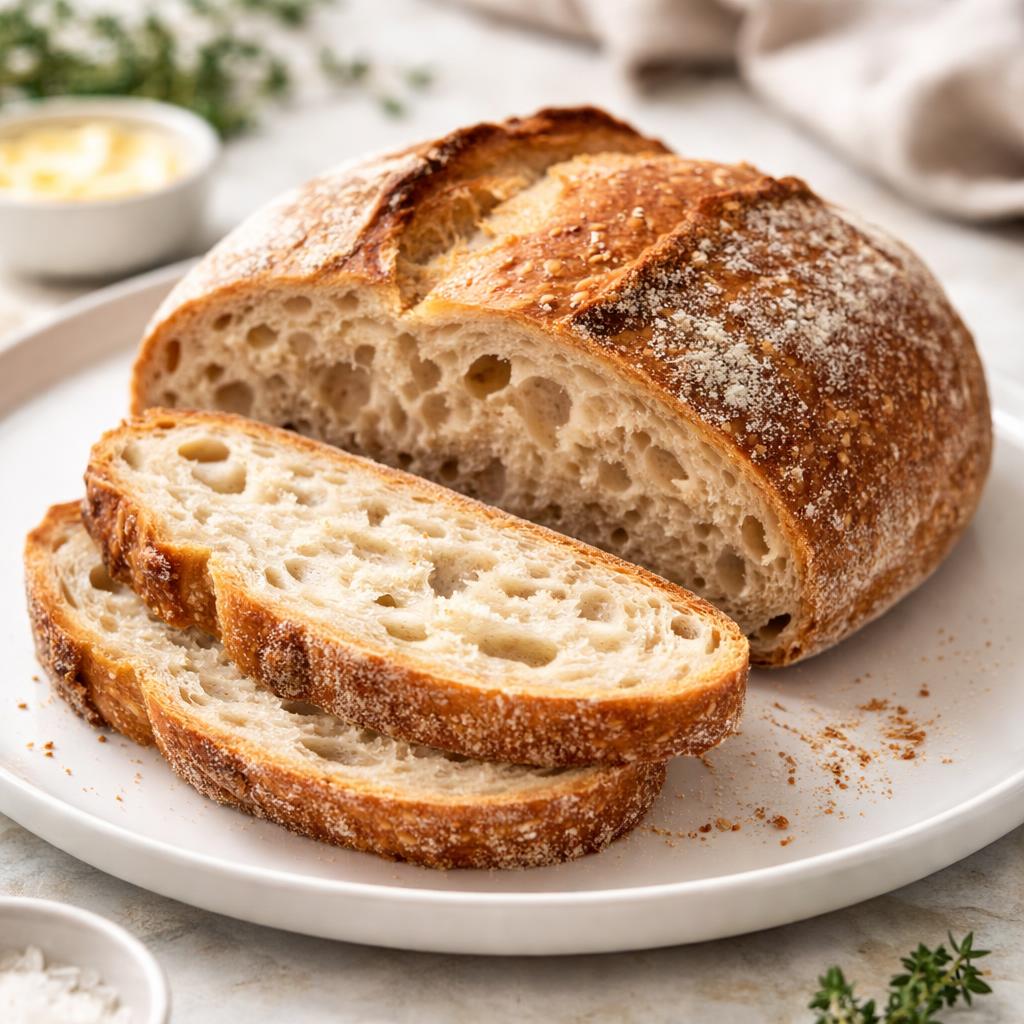
Sourdough Bread
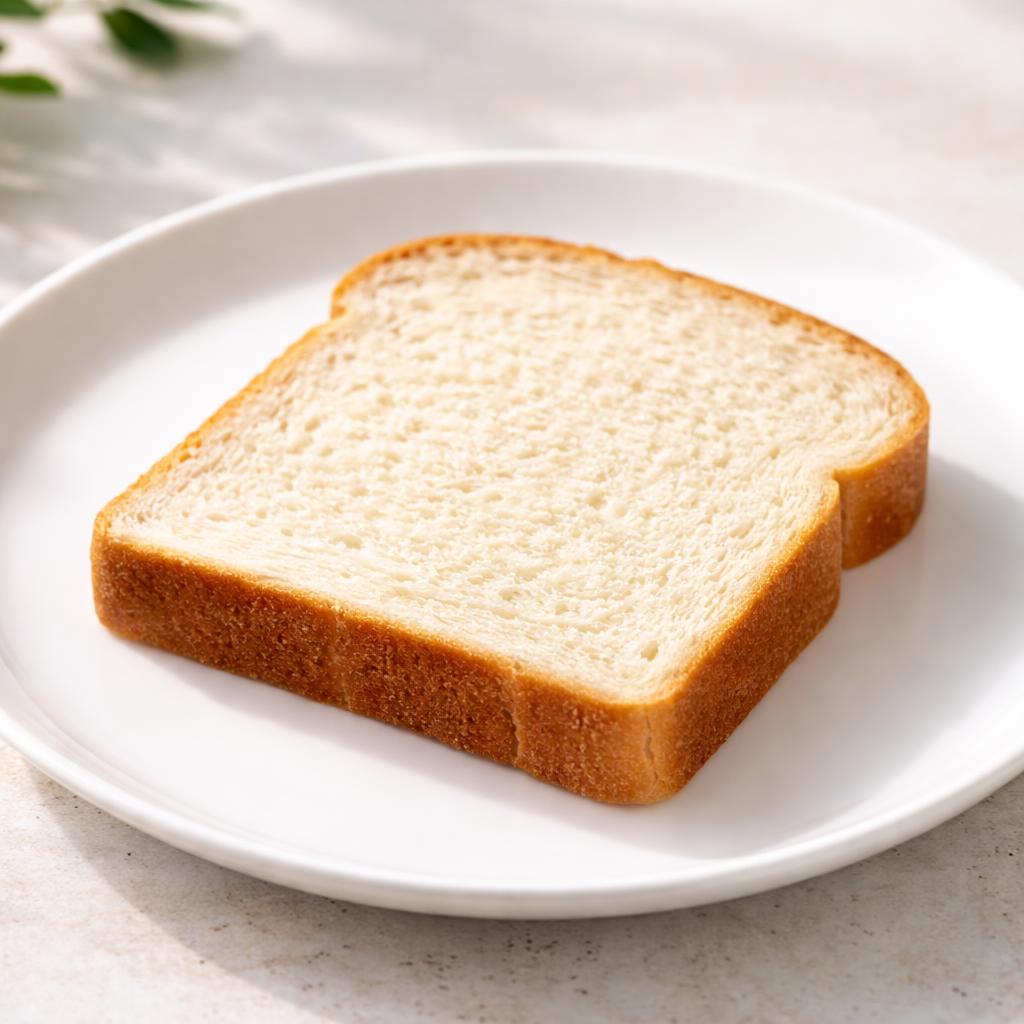
Slice Of White Bread
🎯 Quick Verdict
Sourdough bread (Food 1) is more nutrient-dense than white bread (Food 2), offering higher protein and fiber with slightly fewer calories per slice. White bread is lower in vitamins and fiber but has marginally fewer calories, making it less filling but potentially useful for quick energy needs. Sourdough is better suited for overall health and digestion support, while white bread may be chosen for convenience or if calories are a priority.

Smart Nutrition Tracking with SnapCalorie

📊 Nutritional Comparison
Macronutrients
| Nutrient | Food 1 | Food 2 | Winner |
|---|---|---|---|
| Calories | 120 | 80 | ✓ |
| Protein | 4g | 2g | ✓ |
| Carbs | 22g | 15g | ✓ |
| Fat | 0.5g | 0.5g | − |
| Fiber | 2g | 0.5g | ✓ |
Vitamins & Minerals
| Nutrient | Food 1 | Food 2 | Winner |
|---|---|---|---|
| Vitamin B1 (Thiamine) | 0.1mg | 0.08mg | ✓ |
| Vitamin B3 (Niacin) | 0.7mg | 0.5mg | ✓ |
| Folate | 16mcg | 12mcg | ✓ |
| Iron | 1mg | 0.4mg | ✓ |
| Calcium | 9mg | 6mg | ✓ |
🏆 Category Winners
Protein
Sourdough bread provides twice as much protein per serving, supporting muscle maintenance and recovery.
Fiber
Sourdough contains four times more fiber, promoting better digestion and satiety.
Calories
White bread is 33% lower in calories per slice, making it suitable for calorie-conscious diets.
Vitamins
Sourdough is richer in key vitamins and minerals, such as B vitamins, iron, and calcium, providing greater nutritional benefits overall.
🥗 Diet Compatibility
Keto
Food 1: Not Compatible
Food 2: Not Compatible
Both foods are high in carbohydrates and unsuitable for ketogenic diets.
Vegan
Food 1: Compatible
Food 2: Compatible
Both sourdough and white bread are plant-based when no animal-derived ingredients are added.
Gluten Free
Food 1: Not Compatible
Food 2: Not Compatible
Both foods contain gluten and are not suitable for those with gluten intolerance or celiac disease.
Paleo
Food 1: Not Compatible
Food 2: Not Compatible
Neither bread aligns with paleo dietary principles as they are grain-based.
Low-Carb
Food 1: Not Compatible
Food 2: Not Compatible
Both bread options are high in carbs and not compatible with low-carb plans.
💪 Health Benefits Comparison
Food 1 Benefits
- Rich in probiotics due to fermentation, supporting gut health.
- Higher fiber content aids digestion and promotes satiety.
- Contains more protein and vitamins for overall nutrition.
- May be easier to digest compared to white bread due to its natural fermentation process.
Food 2 Benefits
- Lower in calories, making it suitable for controlled diets.
- Quick source of energy due to simple carbohydrates.
- Convenient option for sandwiches or quick meals.
- Fortified white bread may sometimes contain added vitamins, such as folic acid.
✅ The Bottom Line
Choose sourdough if you prioritize nutrition, digestion support, or fiber and protein content. White bread, while less nutritious, may be better for calorie-restricted diets or quick energy needs. Both have their role in a balanced diet but sourdough offers more substantial health benefits overall.
Choose Food 1 for: Gut health, nutrient density, high-fiber diets, balanced meals
Choose Food 2 for: Quick energy, calorie-controlled diets, convenience


