Sourdough Bread VS Grain Bread
A detailed nutritional comparison
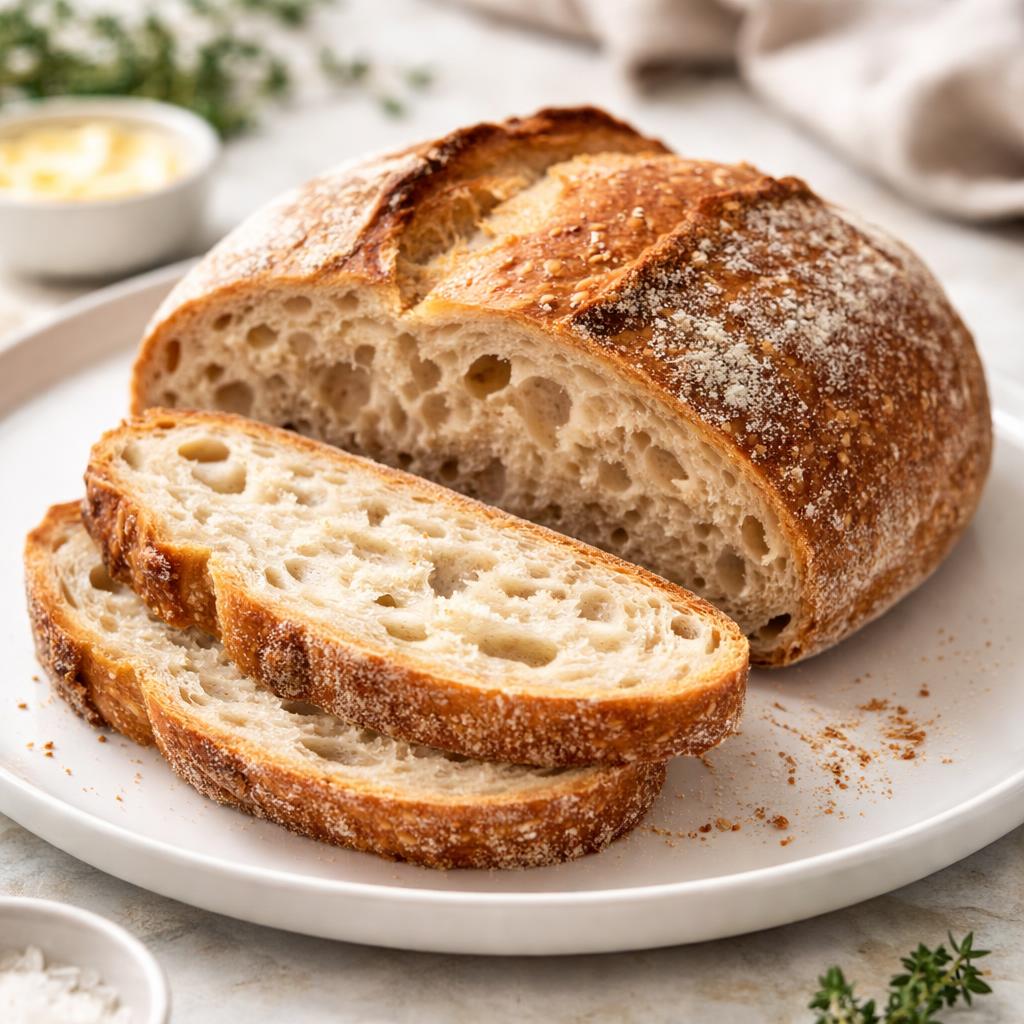
Sourdough Bread
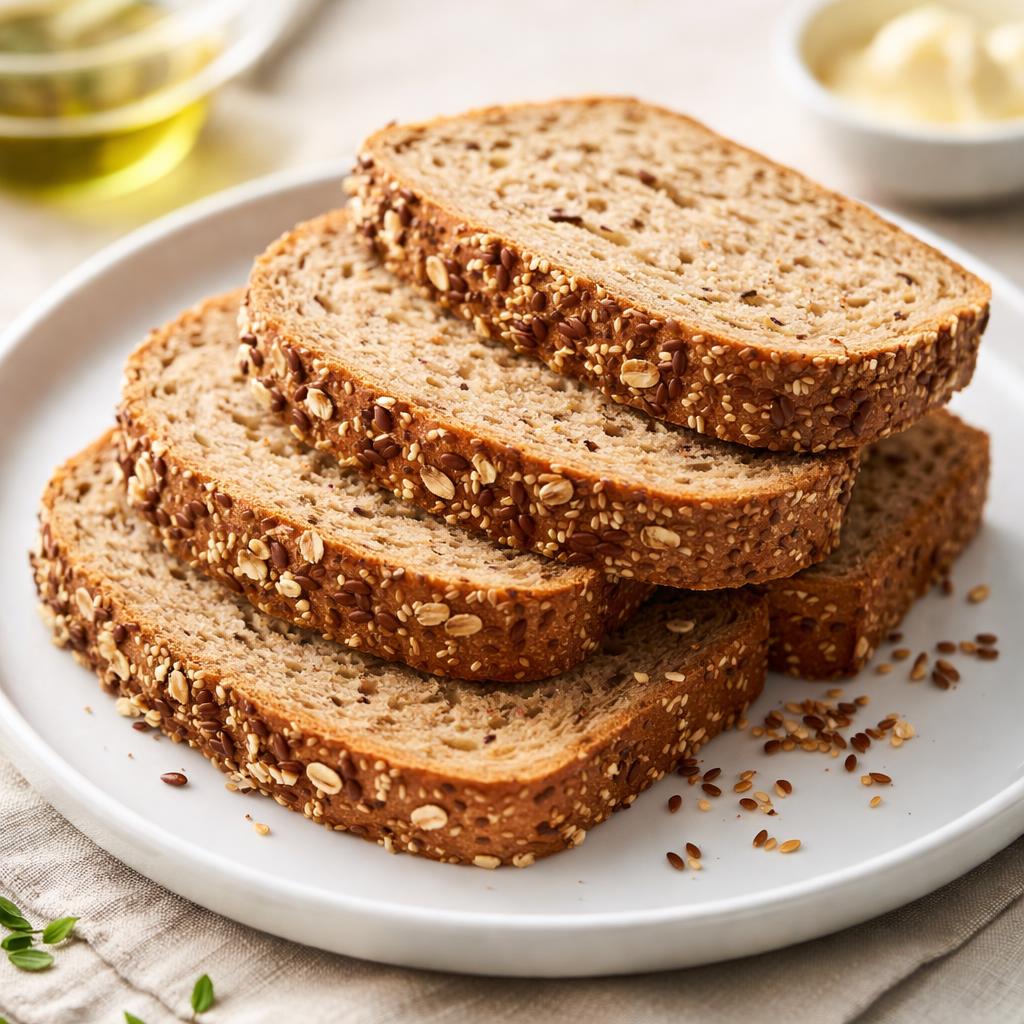
Grain Bread
🎯 Quick Verdict
Grain bread is slightly more nutrient-dense than sourdough bread, offering higher protein and fiber per serving while containing a similar calorie count. Sourdough bread remains a solid choice for easy digestion due to its fermentation process, making it suitable for individuals with sensitive stomachs. Grain bread is better for sustained energy and nutrient density, especially if whole grains are used.

Smart Nutrition Tracking with SnapCalorie

📊 Nutritional Comparison
Macronutrients
| Nutrient | Food 1 | Food 2 | Winner |
|---|---|---|---|
| Calories | 160 kcal | 160 kcal | − |
| Protein | 5g | 6g | ✓ |
| Carbs | 32g | 31g | ✓ |
| Fat | 1g | 2g | ✓ |
| Fiber | 1g | 3g | ✓ |
Vitamins & Minerals
| Nutrient | Food 1 | Food 2 | Winner |
|---|---|---|---|
| Vitamin B6 | 0.1mg | 0.3mg | ✓ |
| Magnesium | 18mg | 30mg | ✓ |
| Iron | 1mg | 2mg | ✓ |
🏆 Category Winners
Protein
Grain bread provides 20% more protein per serving.
Fiber
Grain bread provides three times more fiber than sourdough bread.
Calories
Both foods have similar caloric values per serving.
Vitamins
Grain bread contains more magnesium, Vitamin B6, and iron.
🥗 Diet Compatibility
Keto
Food 1: Not Compatible
Food 2: Not Compatible
Both are high in carbs.
Vegan
Food 1: Compatible
Food 2: Compatible
Neither contains animal products.
Gluten Free
Food 1: Not Compatible
Food 2: Not Compatible
Both contain gluten.
Paleo
Food 1: Not Compatible
Food 2: Not Compatible
Grain-based foods are excluded on paleo diets.
Low-Carb
Food 1: Not Compatible
Food 2: Not Compatible
Both are carbohydrate-dense foods.
💪 Health Benefits Comparison
Food 1 Benefits
- Easier to digest due to fermentation process
- May support gut health with natural probiotics
- Contains trace minerals like selenium and zinc
Food 2 Benefits
- Higher in fiber for better digestion
- Rich in magnesium for bone and muscle health
- Provides sustained energy from complex carbohydrates
- Contains iron for improved oxygen transport in the body
✅ The Bottom Line
Sourdough bread is ideal for individuals seeking easy digestion, thanks to its fermentation process, while grain bread is the better option for those needing higher fiber, protein, and micronutrients. Both are similar in calories, making them interchangeable for general dieting. Choose sourdough for gut health and grain bread for nutrient density.
Choose Food 1 for: Gut health, digestion, casual bread lovers
Choose Food 2 for: Higher fiber diets, micronutrient boosts, sustained energy throughout the day


