Soba Noodles VS Tuna Pasta
A detailed nutritional comparison
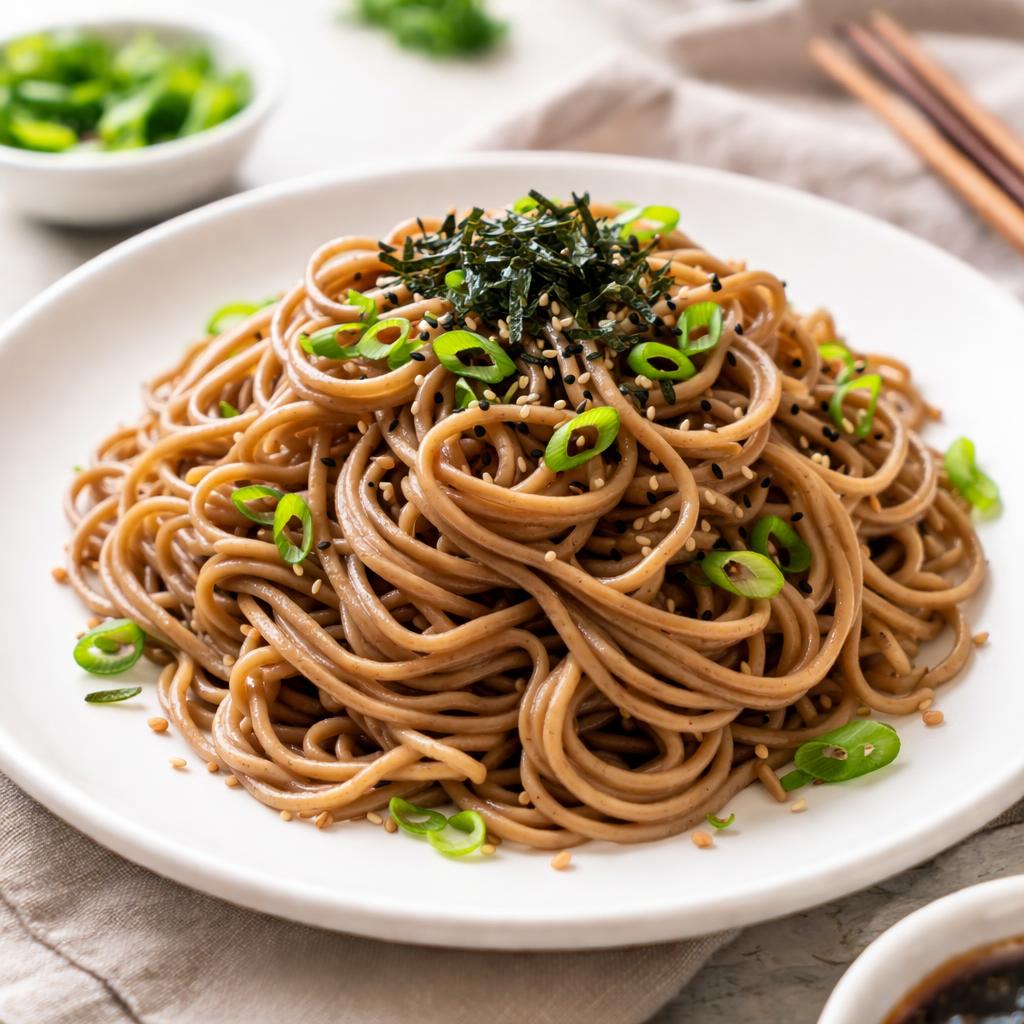
Soba Noodles
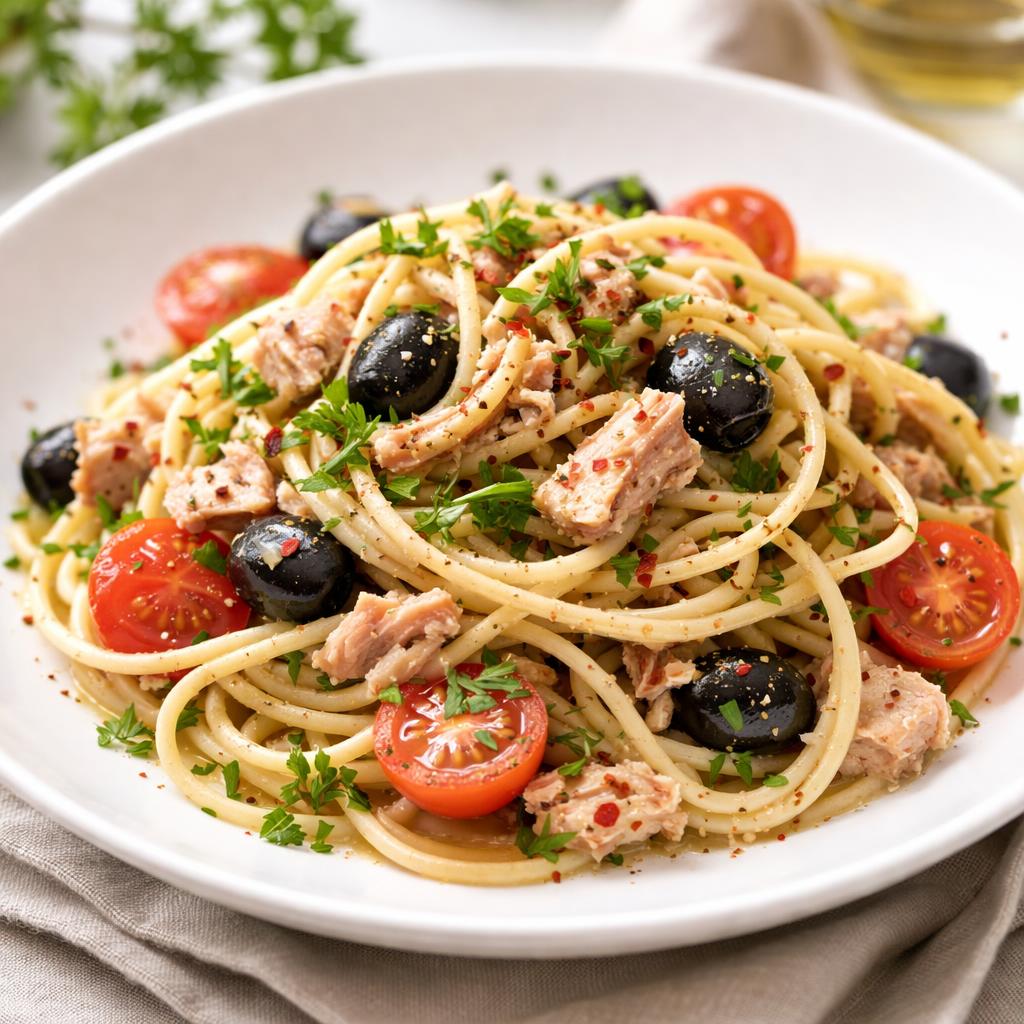
Tuna Pasta
🎯 Quick Verdict
Soba noodles are lower in calories and higher in fiber, making them an excellent choice for weight management and digestion. Tuna pasta, however, stands out for its significantly higher protein content, ideal for muscle building and recovery. Both have unique strengths, so choosing between them depends on your health goals and dietary preferences.

Smart Nutrition Tracking with SnapCalorie

📊 Nutritional Comparison
Macronutrients
| Nutrient | Food 1 | Food 2 | Winner |
|---|---|---|---|
| Calories | 120 per 100g | 220 per 100g | ✓ |
| Protein | 5g per 100g | 19g per 100g | ✓ |
| Carbs | 24g per 100g | 29g per 100g | ✓ |
| Fat | 0.1g per 100g | 10g per 100g | ✓ |
| Fiber | 3g per 100g | 1.2g per 100g | ✓ |
Vitamins & Minerals
| Nutrient | Food 1 | Food 2 | Winner |
|---|---|---|---|
| Vitamin D | 0mcg | 5mcg | ✓ |
| Calcium | 10mg | 15mg | ✓ |
| Iron | 1mg | 1.5mg | ✓ |
🏆 Category Winners
Protein
Tuna pasta has nearly 4x the protein of soba noodles per serving.
Fiber
Soba noodles provide 2.5x more fiber per serving.
Calories
Soba noodles have 45% fewer calories per serving than tuna pasta.
Vitamins
Tuna pasta contains important vitamins like Vitamin D, calcium, and iron.
🥗 Diet Compatibility
Keto
Food 1: Not Compatible
Food 2: Not Compatible
Both are high in carbohydrates.
Vegan
Food 1: Compatible
Food 2: Not Compatible
Soba noodles are plant-based, but tuna in pasta is animal-derived.
Gluten Free
Food 1: Not Compatible
Food 2: Not Compatible
Soba noodles (unless explicitly gluten-free) and pasta both contain gluten.
Paleo
Food 1: Not Compatible
Food 2: Not Compatible
Both foods are processed and contain grains not permitted in paleo diets.
Low Carb
Food 1: Not Compatible
Food 2: Not Compatible
Both are relatively high in carbohydrates per serving.
💪 Health Benefits Comparison
Food 1 Benefits
- Rich in fiber for healthy digestion
- Low in calories, supporting weight management
- Minimal fat content ideal for low-fat diets
Food 2 Benefits
- High protein for muscle building and recovery
- Provides Vitamin D for bone health
- Rich in omega-3 fatty acids for heart health
✅ The Bottom Line
Choose soba noodles if you're aiming for lower calorie intake, better digestion, or a vegan-friendly option. Opt for tuna pasta if your focus is on protein, nutrient density, or fueling workouts. Both are excellent choices depending on individual needs.
Choose Food 1 for: Weight management, vegan diets, low-fat meals
Choose Food 2 for: Muscle building, nutrient-dense diets, post-workout recovery


