Soba Noodles VS Seafood Pasta
A detailed nutritional comparison
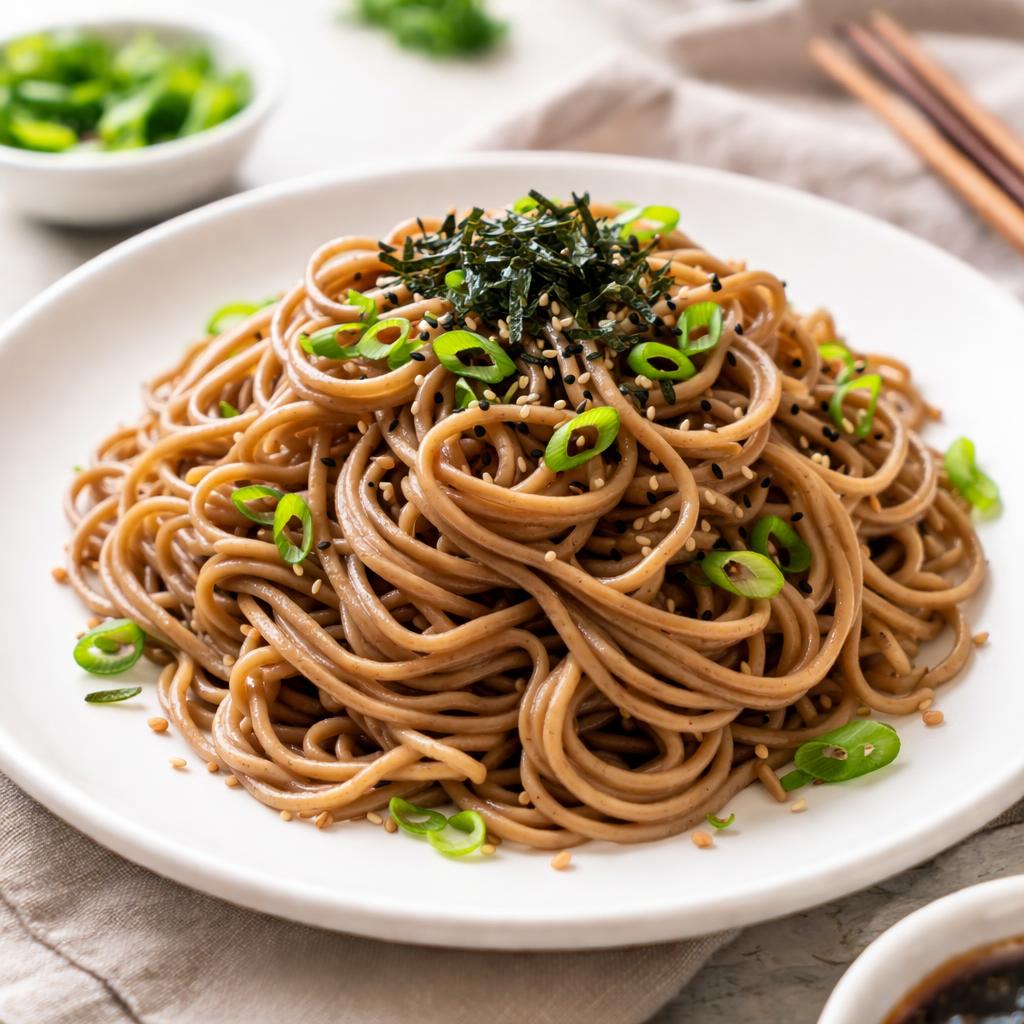
Soba Noodles
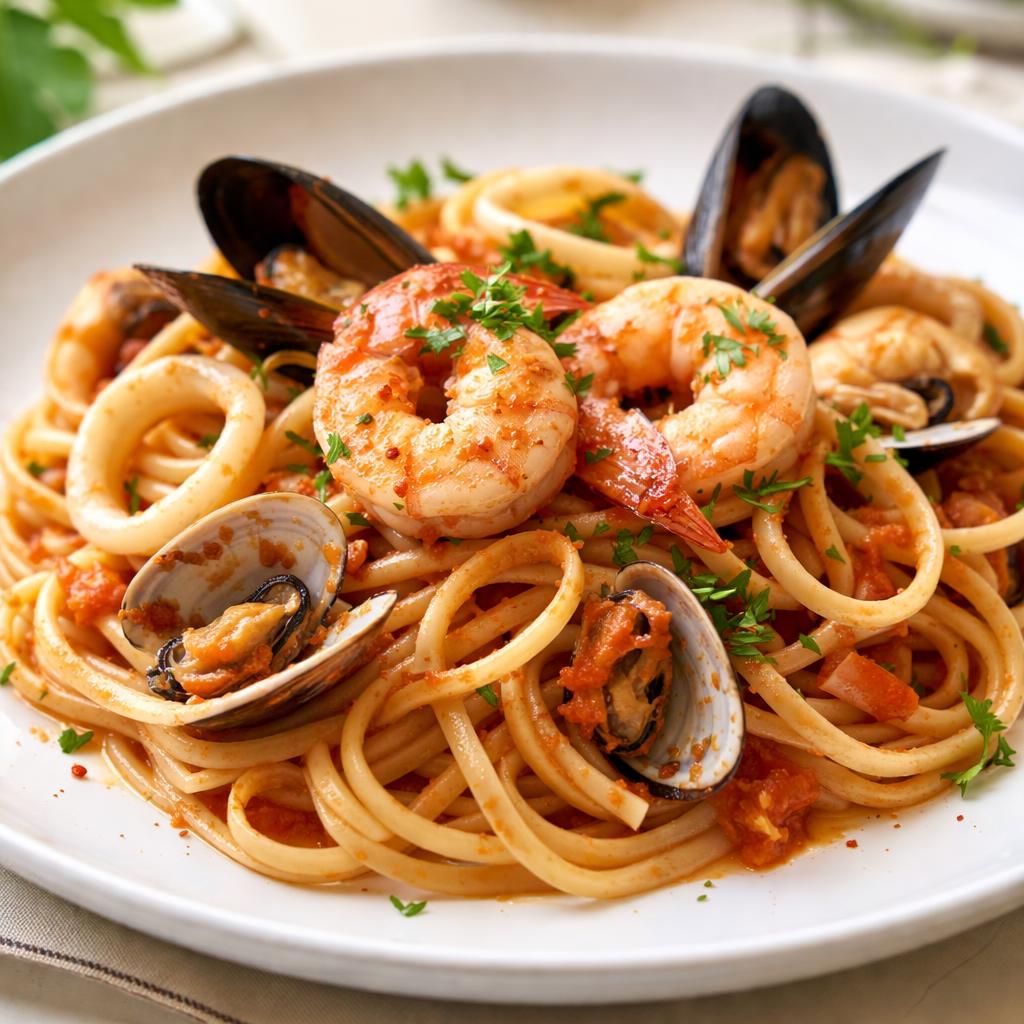
Seafood Pasta
🎯 Quick Verdict
Soba noodles (Food 1) are lower-calorie and higher in fiber, making them better for weight management and digestive health. Seafood pasta (Food 2) has more protein and offers heart-healthy fats, making it ideal for those aiming to increase protein intake or prioritize nutrient density. Both have distinct use cases based on dietary goals and taste preferences.

Smart Nutrition Tracking with SnapCalorie

📊 Nutritional Comparison
Macronutrients
| Nutrient | Food 1 | Food 2 | Winner |
|---|---|---|---|
| Calories | 290 | 380 | ✓ |
| Protein | 12g | 18g | ✓ |
| Carbs | 56g | 45g | ✓ |
| Fat | 1g | 10g | ✓ |
| Fiber | 3g | 2g | ✓ |
Vitamins & Minerals
| Nutrient | Food 1 | Food 2 | Winner |
|---|---|---|---|
| Vitamin D | 0mcg | 3mcg | ✓ |
| Calcium | 20mg | 40mg | ✓ |
| Iron | 2.5mg | 1.4mg | ✓ |
🏆 Category Winners
Protein
Seafood pasta contains 50% more protein per serving due to the inclusion of seafood.
Fiber
Soba noodles contain 50% more fiber, supporting digestive health.
Calories
Soba noodles are about 24% lower in calories compared to seafood pasta.
Vitamins
Seafood pasta offers higher levels of vitamin D and calcium, beneficial for bone health.
🥗 Diet Compatibility
Keto
Food 1: Not Compatible
Food 2: Not Compatible
Both foods are high in carbohydrates.
Vegan
Food 1: Compatible
Food 2: Not Compatible
Soba noodles are plant-based, while seafood pasta contains animal-based ingredients.
Gluten Free
Food 1: Depends on variety
Food 2: Not Compatible
Buckwheat soba noodles may be gluten-free; seafood pasta typically uses wheat-based pasta.
Paleo
Food 1: Not Compatible
Food 2: Not Compatible
Both rely on grain-based ingredients like noodles or pasta.
Low-Carb
Food 1: Not Compatible
Food 2: Not Compatible
Both are relatively high in carbohydrates, with soba noodles having slightly more.
💪 Health Benefits Comparison
Food 1 Benefits
- High in fiber for improved digestion
- Lower calorie option for weight management
- Rich in iron, supporting energy and oxygen transport
Food 2 Benefits
- Rich in protein for muscle maintenance
- Contains heart-healthy omega-3 fats from seafood
- Provides vitamin D and calcium for bone health
✅ The Bottom Line
Choose soba noodles for a lighter, higher-fiber option suitable for weight management and vegan diets. Opt for seafood pasta if your goal is to increase protein intake and include heart-healthy fats in your diet. Both options serve different dietary needs, making them versatile for varied preferences.
Choose Food 1 for: Weight management, vegan diets, digestive health
Choose Food 2 for: Muscle-building, nutrient density, heart health


