Soba Noodles VS Brown Rice And Quinoa
A detailed nutritional comparison
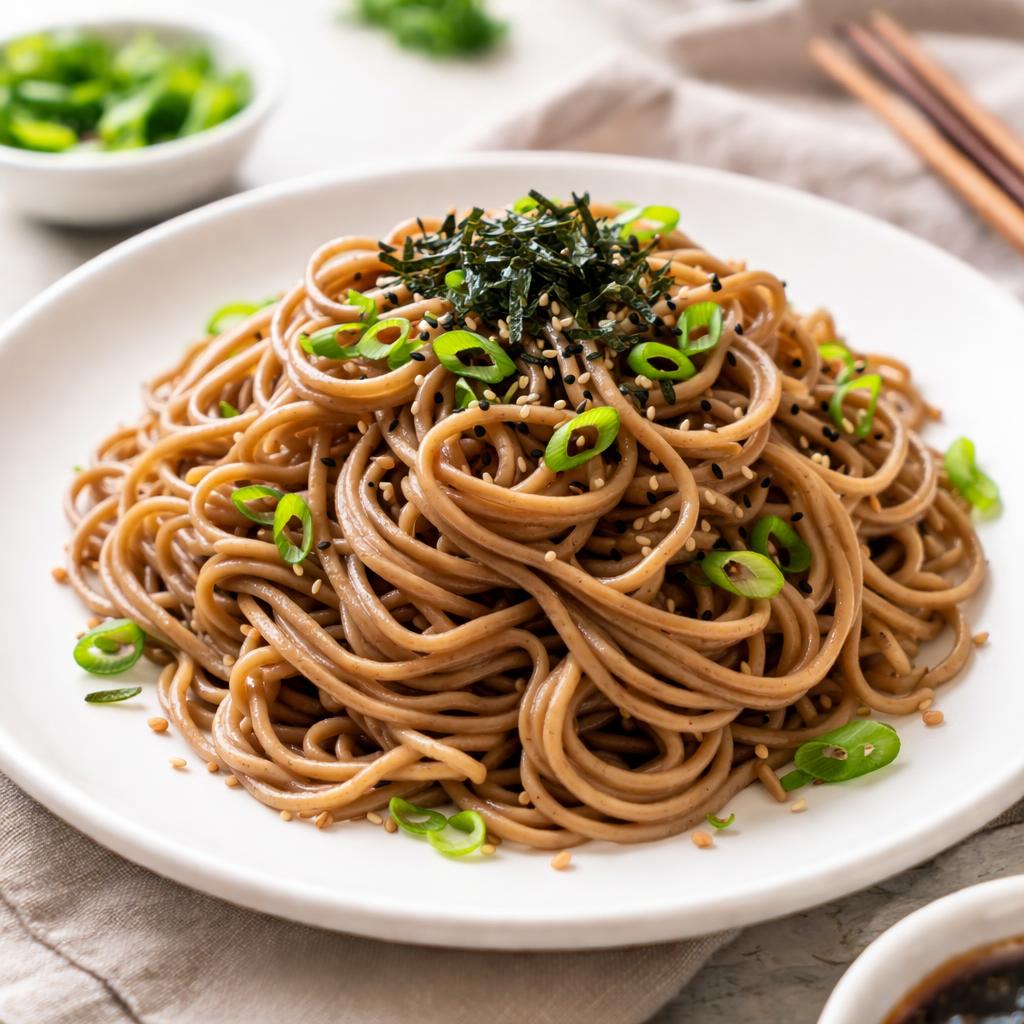
Soba Noodles
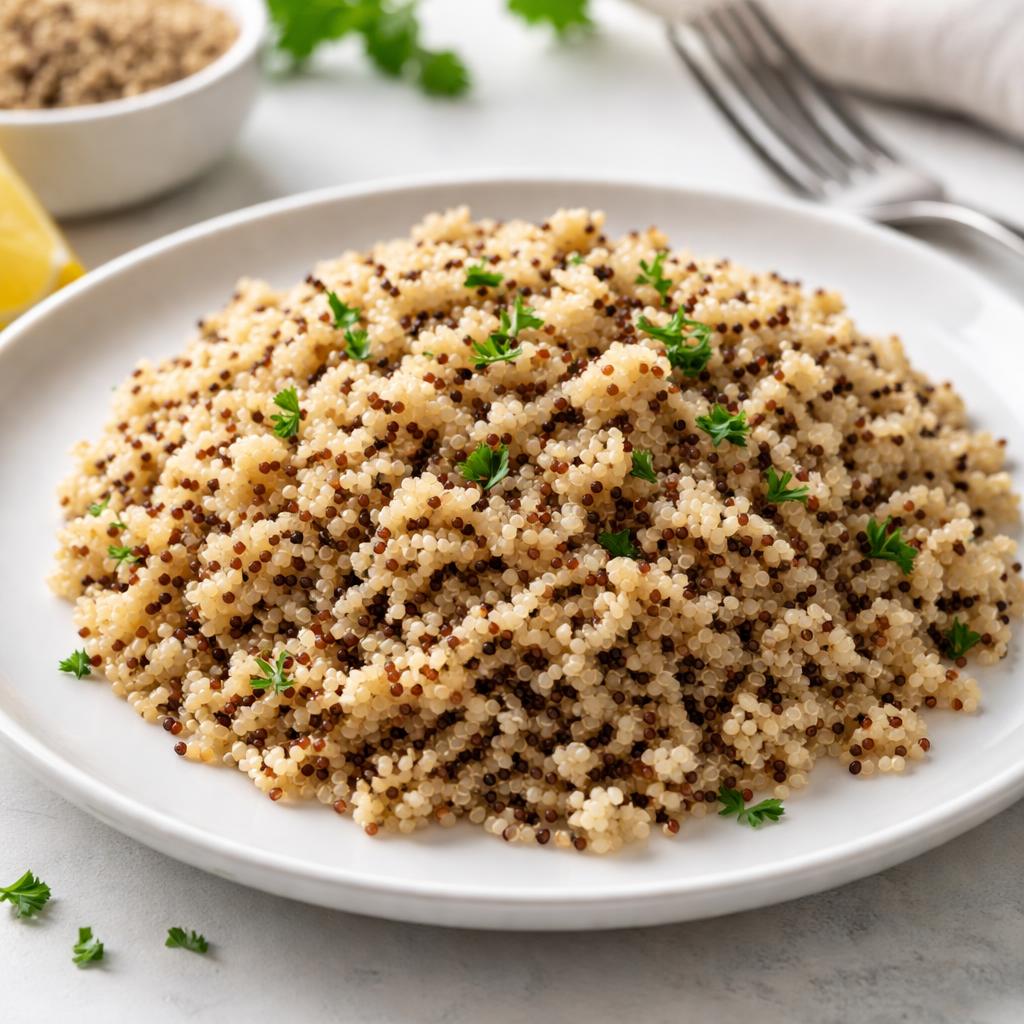
Brown Rice And Quinoa
🎯 Quick Verdict
Soba noodles and brown rice with quinoa differ in nutrition and use cases. Brown rice with quinoa is richer in protein and fiber, making it ideal for energy and satiety, while soba noodles have fewer calories and a lower carbohydrate content, suitable for lighter meals and weight management. Both are excellent choices depending on dietary priorities.

Smart Nutrition Tracking with SnapCalorie

📊 Nutritional Comparison
Macronutrients
| Nutrient | Food 1 | Food 2 | Winner |
|---|---|---|---|
| Calories | 99 (per 100g cooked) | 120 (per 100g cooked) | ✓ |
| Protein | 5g | 8g | ✓ |
| Carbs | 22g | 26g | ✓ |
| Fat | 0.1g | 2g | ✓ |
| Fiber | 1g | 2.5g | ✓ |
Vitamins & Minerals
| Nutrient | Food 1 | Food 2 | Winner |
|---|---|---|---|
| Iron | 1mg | 1.2mg | ✓ |
| Magnesium | 20mg | 50mg | ✓ |
| Vitamin B6 | 0.1mg | 0.15mg | ✓ |
🏆 Category Winners
Protein
Brown rice with quinoa offers 60% more protein per serving, making it better for muscle repair and maintenance.
Fiber
Brown rice with quinoa contains 2.5g of fiber, more than double the amount in soba noodles.
Calories
Soba noodles have 18% fewer calories per serving, suitable for weight-conscious meals.
Vitamins
Rich in vital minerals like magnesium and vitamin B6, brown rice with quinoa surpasses soba noodles in micronutrients.
🥗 Diet Compatibility
Keto
Food 1: Not Compatible
Food 2: Not Compatible
Both foods are relatively high in carbohydrates and not suitable for keto.
Vegan
Food 1: Compatible
Food 2: Compatible
Both options are plant-based and suitable for vegan diets.
Gluten Free
Food 1: Partially Compatible
Food 2: Compatible
Pure soba noodles made of buckwheat are gluten-free, but some processed versions contain wheat. Brown rice with quinoa is naturally gluten-free.
Paleo
Food 1: Not Compatible
Food 2: Not Compatible
Neither food aligns with paleo diets due to their grain content.
Low-Carb
Food 1: Partially Compatible
Food 2: Not Compatible
Soba noodles have slightly fewer carbs, but neither is low-carb for strict diets.
💪 Health Benefits Comparison
Food 1 Benefits
- Lower in calories for weight management
- Contains essential amino acids from buckwheat
- Easy to digest and quick to prepare
Food 2 Benefits
- High in protein for muscle repair
- Rich in fiber for improved satiety and gut health
- Contains magnesium for bone health and energy production
- Provides antioxidants to reduce oxidative stress
✅ The Bottom Line
Choose soba noodles for lighter meals and calorie-conscious diets, or brown rice with quinoa for higher protein, fiber, and sustained energy. Brown rice with quinoa is better for nutrient density and satiety, while soba noodles are ideal for quick, low-calorie meal options.
Choose Food 1 for: Weight management, quick and light meals, gluten-sensitive individuals (if using pure buckwheat soba)
Choose Food 2 for: Protein-rich diets, high-energy meals, and improving fiber intake


