Sliced Bread VS Whole Wheat Bread
A detailed nutritional comparison
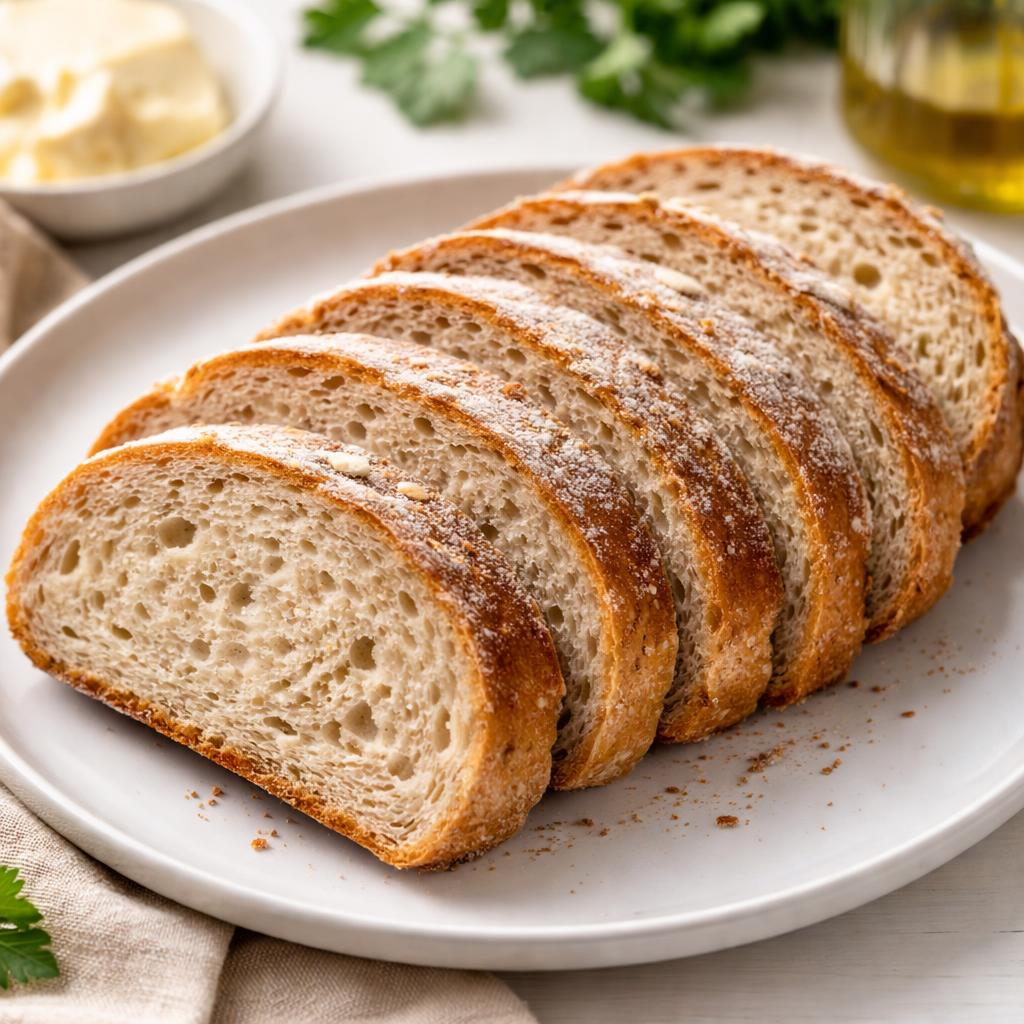
Sliced Bread
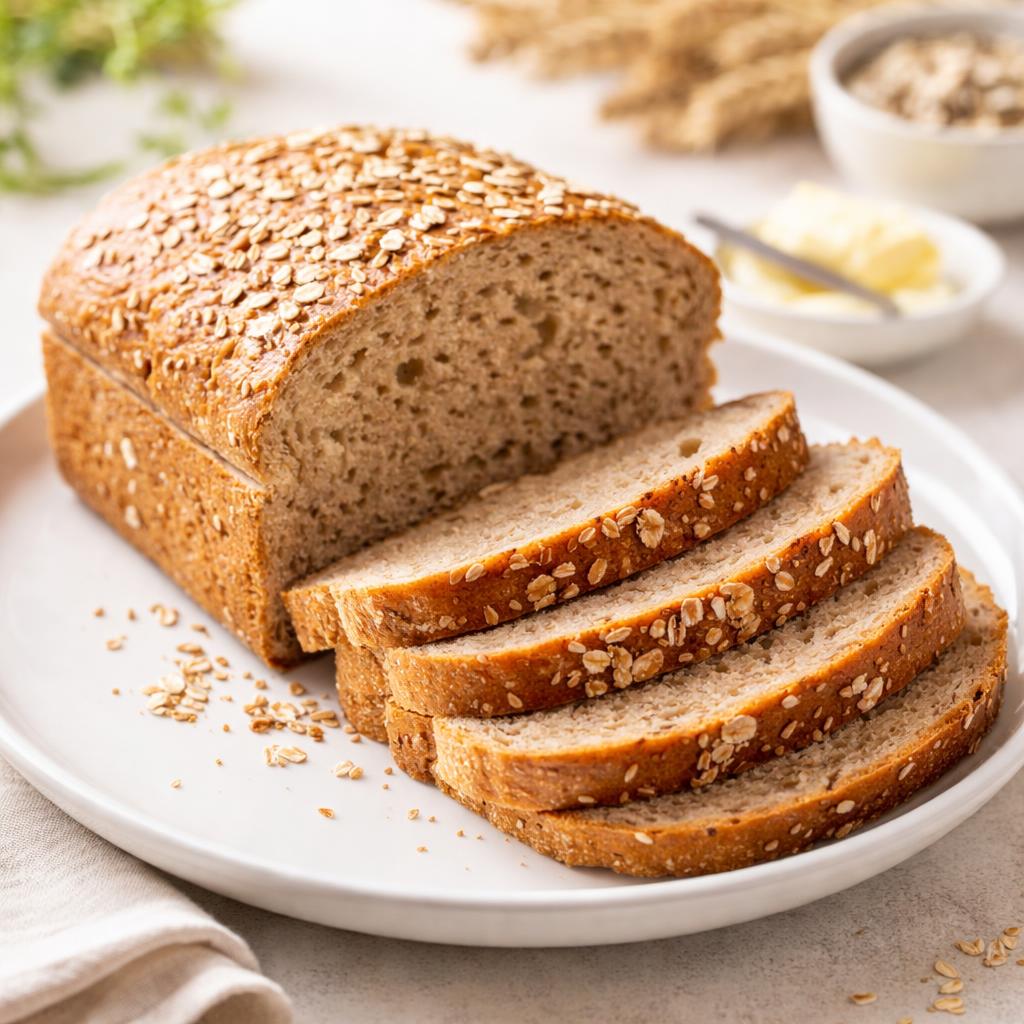
Whole Wheat Bread
🎯 Quick Verdict
Whole wheat bread outshines sliced white bread in nearly every nutritional category, providing more fiber, protein, and vitamins while being more nutrient-dense overall. Sliced bread is slightly lower in calories, making it useful for controlled calorie diets, but lacks the robust health benefits of whole wheat bread, which is ideal for supporting digestion and sustained energy over time.

Smart Nutrition Tracking with SnapCalorie

📊 Nutritional Comparison
Macronutrients
| Nutrient | Food 1 | Food 2 | Winner |
|---|---|---|---|
| Calories | 70 | 80 | ✓ |
| Protein | 2g | 4g | ✓ |
| Carbs | 13g | 15g | ✓ |
| Fat | 1g | 1g | − |
| Fiber | 1g | 3g | ✓ |
Vitamins & Minerals
| Nutrient | Food 1 | Food 2 | Winner |
|---|---|---|---|
| Vitamin B6 | 0.02mg | 0.1mg | ✓ |
| Folate | 50mcg | 25mcg | ✓ |
| Iron | 0.6mg | 1mg | ✓ |
🏆 Category Winners
Protein
Food2 has double the protein compared to food1.
Fiber
Food2 provides 3 times more dietary fiber than food1, aiding digestion.
Calories
Food1 is 10% lower in calories per slice.
🥗 Diet Compatibility
Keto
Food 1: Not Compatible
Food 2: Not Compatible
Both are too high in carbs for a ketogenic diet.
Vegan
Food 1: Compatible
Food 2: Compatible
Neither contains animal products.
Gluten Free
Food 1: Not Compatible
Food 2: Not Compatible
Both are made from wheat and contain gluten.
Paleo
Food 1: Not Compatible
Food 2: Not Compatible
Bread is not allowed on paleo diets.
Low-Carb
Food 1: Not Compatible
Food 2: Not Compatible
Both contain more carbs than low-carb diets typically allow.
💪 Health Benefits Comparison
Food 1 Benefits
- Lower calorie option for controlled diets
- Convenient and versatile for sandwiches and toast
- Fortified with folate for prenatal health
Food 2 Benefits
- High fiber content for improved digestion
- Rich in vitamins and minerals like iron and vitamin B6
- Supports sustained energy and balanced blood sugar levels
✅ The Bottom Line
Whole wheat bread is the healthier, nutrient-dense choice, offering more protein, fiber, and vitamins to support digestive health and sustained energy. Sliced white bread is lower in calories and works better for weight control but falls short in overall nutrients.
Choose Food 1 for: Low-calorie diets, quick snacks, sandwiches for children
Choose Food 2 for: Fiber-rich diets, heart health, long-lasting energy for active lifestyles


