Sliced Bread VS Gluten-Free Bread
A detailed nutritional comparison
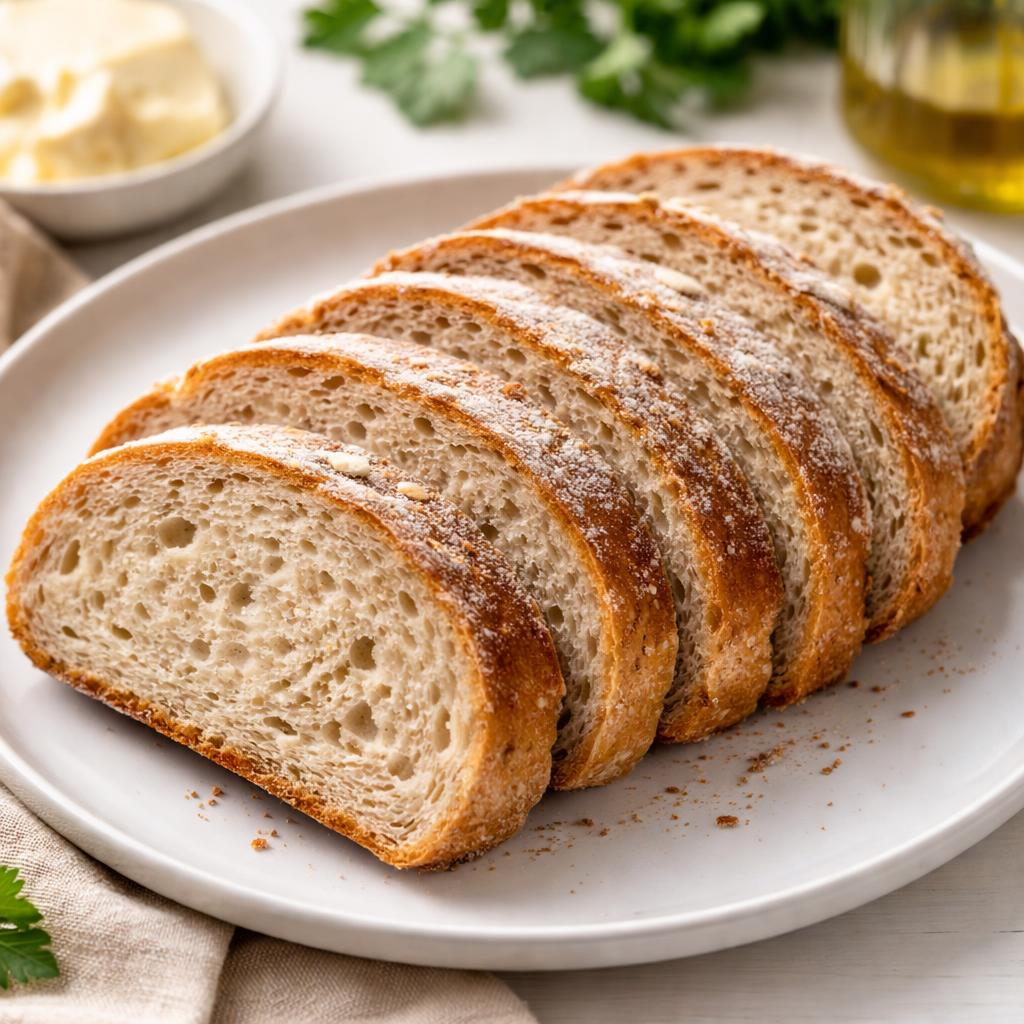
Sliced Bread
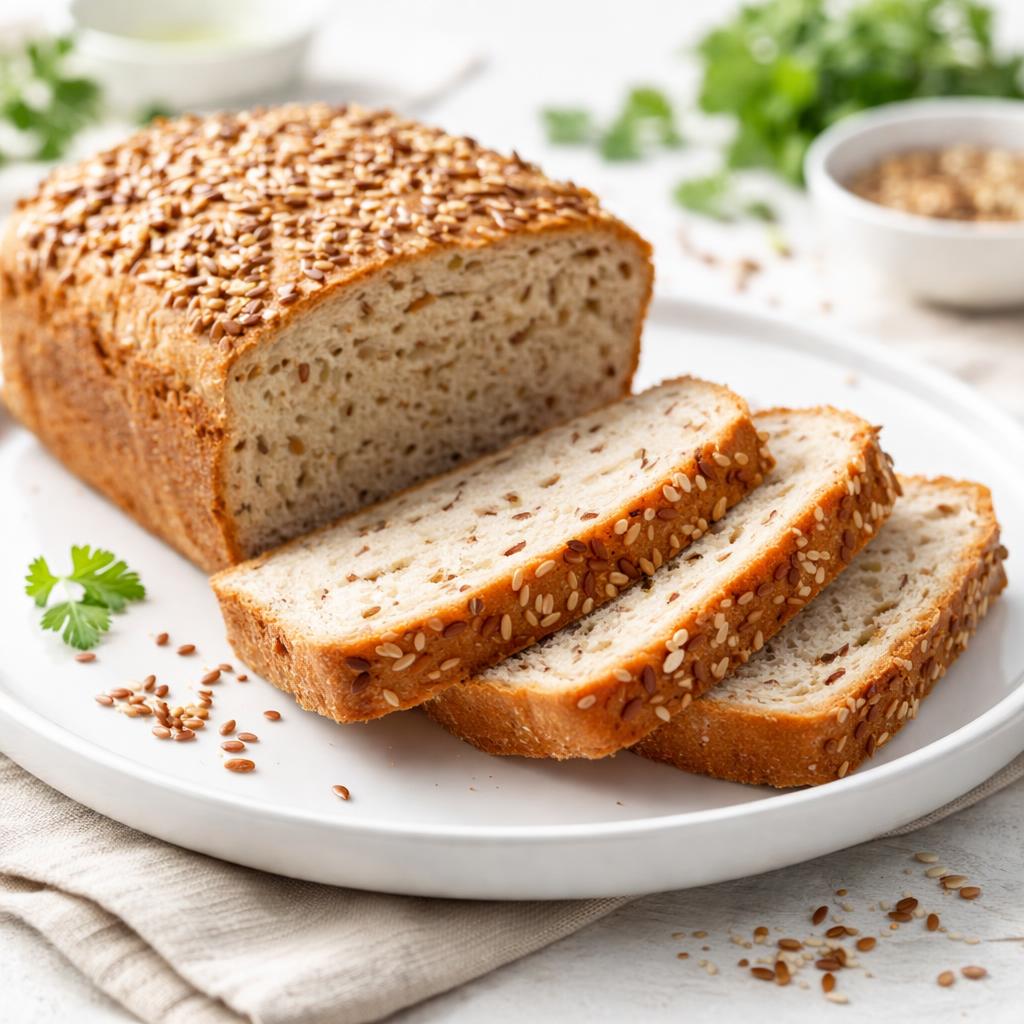
Gluten-Free Bread
🎯 Quick Verdict
Sliced bread outperforms gluten-free bread in protein content, fiber, and micronutrient density, whereas gluten-free bread is suitable for those with gluten sensitivities or celiac disease. Both are comparable in calories, making them viable options depending on dietary needs and preferences.

Smart Nutrition Tracking with SnapCalorie

📊 Nutritional Comparison
Macronutrients
| Nutrient | Food 1 | Food 2 | Winner |
|---|---|---|---|
| Calories | 80 per slice | 80 per slice | − |
| Protein | 3g per slice | 2g per slice | ✓ |
| Carbs | 15g per slice | 16g per slice | ✓ |
| Fat | 1g per slice | 3g per slice | ✓ |
| Fiber | 2g per slice | 1g per slice | ✓ |
Vitamins & Minerals
| Nutrient | Food 1 | Food 2 | Winner |
|---|---|---|---|
| Vitamin D | 0mcg | 0mcg | − |
| Calcium | 30mg | 25mg | ✓ |
| Iron | 1mg | 0.5mg | ✓ |
🏆 Category Winners
Protein
Food1 contains 50% more protein per slice.
Fiber
Food1 provides double the dietary fiber per slice.
Calories
Both foods provide 80 calories per slice.
Vitamins
Food1 contains more calcium and iron, supporting bone health and energy.
🥗 Diet Compatibility
Keto
Food 1: Not Compatible
Food 2: Not Compatible
Both are high-carb foods and unsuitable for keto.
Vegan
Food 1: Compatible
Food 2: Compatible
Neither contains animal-derived ingredients.
Gluten Free
Food 1: Not Compatible
Food 2: Compatible
Food2 is specifically formulated to be gluten-free.
Paleo
Food 1: Not Compatible
Food 2: Not Compatible
Neither aligns with paleo principles (processed grains).
Low-Carb
Food 1: Not Compatible
Food 2: Not Compatible
Both foods are relatively high in carbohydrates.
💪 Health Benefits Comparison
Food 1 Benefits
- Provides a modest amount of protein for muscle repair
- Good source of dietary fiber for healthy digestion
- Contains iron and calcium for energy and bone health
Food 2 Benefits
- Suitable for gluten-free diets to prevent digestive issues for sensitive individuals
- Higher fat content supports energy and satiety
- Offers antioxidants depending on the ingredients used
✅ The Bottom Line
Sliced bread is the better overall choice for those without gluten sensitivities as it offers higher protein, fiber, and micronutrient density. Gluten-free bread is essential for individuals needing to avoid gluten, making it safer for celiac disease or gluten intolerance.
Choose Food 1 for: General diets, higher protein and fiber needs, budget-friendly meal planning
Choose Food 2 for: Gluten-sensitive individuals, nutrient-dense snacks, diverse dietary needs


