Sliced Bread VS Ciabatta Bread
A detailed nutritional comparison
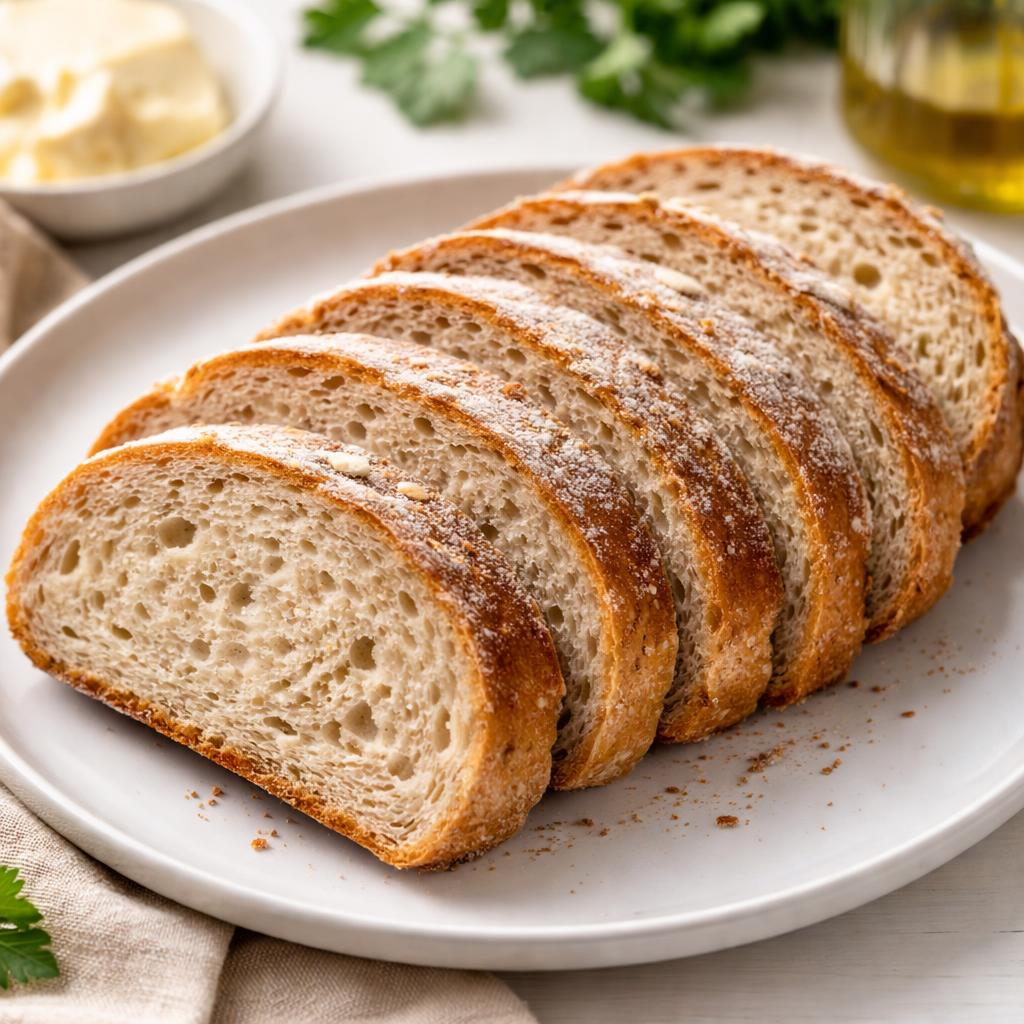
Sliced Bread
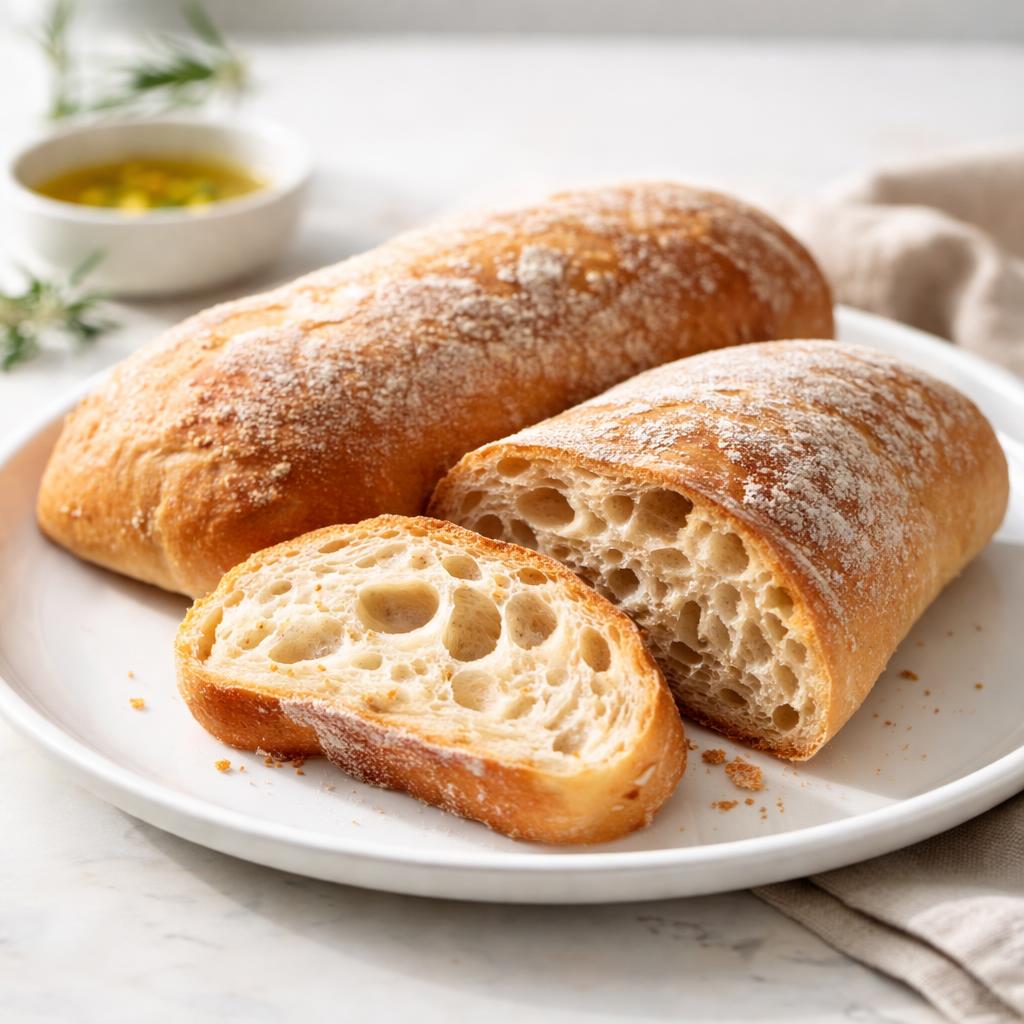
Ciabatta Bread
🎯 Quick Verdict
Sliced bread is generally lower in calories, higher in protein, and contains more fiber compared to ciabatta bread, making it a better option for weight management and digestion. Ciabatta bread, on the other hand, is often higher in carbohydrates and fats, offering more energy but less overall nutritional density. Sliced bread is versatile for sandwiches, while ciabatta pairs better with gourmet options or hearty meals.

Smart Nutrition Tracking with SnapCalorie

📊 Nutritional Comparison
Macronutrients
| Nutrient | Food 1 | Food 2 | Winner |
|---|---|---|---|
| Calories | 80 per slice (38g) | 160 per serving (57g) | ✓ |
| Protein | 4g | 3g | ✓ |
| Carbs | 14g | 30g | ✓ |
| Fat | 1g | 3g | ✓ |
| Fiber | 1.5g | 0.6g | ✓ |
Vitamins & Minerals
| Nutrient | Food 1 | Food 2 | Winner |
|---|---|---|---|
| Vitamin D | 0mcg | 0mcg | − |
| Calcium | 20mg | 10mg | ✓ |
| Iron | 0.5mg | 0.3mg | ✓ |
🏆 Category Winners
Protein
Sliced bread provides 33% more protein per serving compared to ciabatta bread.
Fiber
Sliced bread contains 150% more fiber, supporting better digestion.
Calories
Sliced bread has half the calories per serving compared to ciabatta bread.
🥗 Diet Compatibility
Keto
Food 1: Not Compatible
Food 2: Not Compatible
Both foods are high in carbohydrates.
Vegan
Food 1: Compatible
Food 2: Compatible
Neither bread contains animal-based ingredients.
Gluten Free
Food 1: Not Compatible
Food 2: Not Compatible
Both breads are made from wheat, containing gluten.
Paleo
Food 1: Not Compatible
Food 2: Not Compatible
Grains are not part of paleo diets.
Low-Carb
Food 1: Less Compatible
Food 2: Not Compatible
Sliced bread has fewer carbs but is still not suitable for strict low-carb diets.
💪 Health Benefits Comparison
Food 1 Benefits
- Lower calorie content supports weight management.
- Higher fiber content aids in digestion.
- Provides moderate protein for muscle maintenance.
- Contains small amounts of essential minerals like calcium and iron.
Food 2 Benefits
- Higher carbohydrate content offers sustained energy.
- Contains a richer texture and flavor, perfect for gourmet meals.
- Provides small amounts of healthy fats for heart health.
- Pairs well with healthy oils and nutrient-dense toppings.
✅ The Bottom Line
Choose sliced bread for weight management, higher fiber, and simpler meals like sandwiches. Opt for ciabatta bread if you prefer richer flavors and need sustained energy for more gourmet or hearty meals. Both breads are vegan-friendly and versatile but may not align with gluten-free or low-carb diets.
Choose Food 1 for: Weight management, fiber-rich diets, quick snacks like sandwiches
Choose Food 2 for: Gourmet meals, energy-rich diets, pairing with oils and toppings


