Sandwich Bread VS Whole Grain Bread
A detailed nutritional comparison
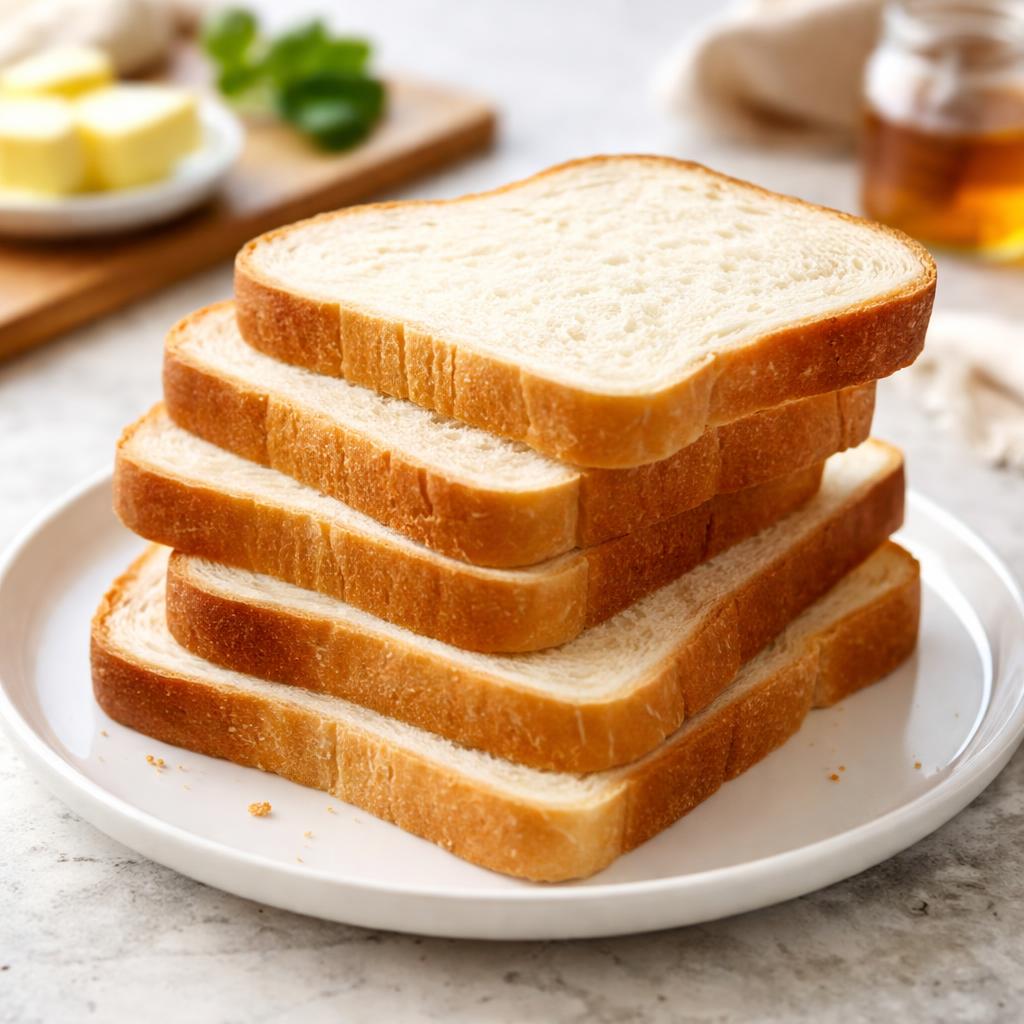
Sandwich Bread
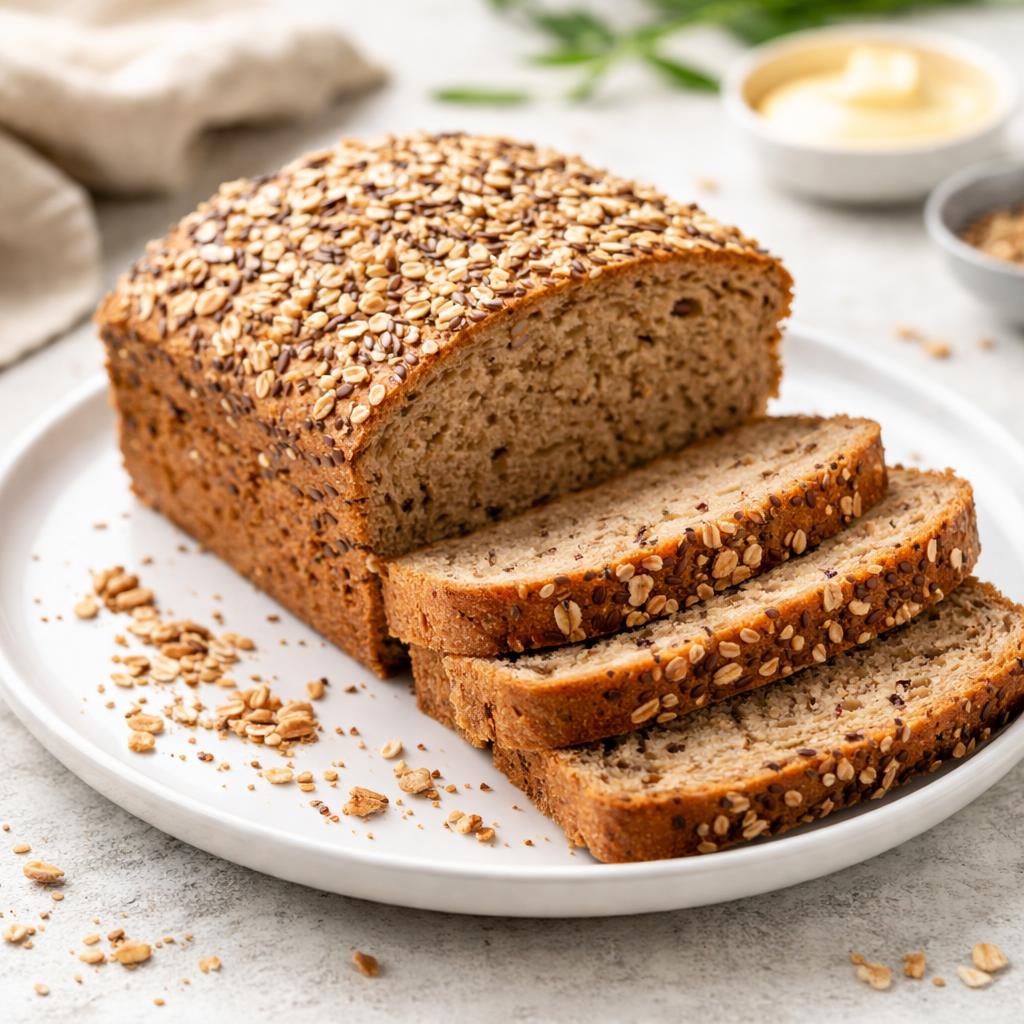
Whole Grain Bread
🎯 Quick Verdict
Whole grain bread is nutritionally superior to sandwich bread due to higher fiber, protein, vitamin, and mineral content. Sandwich bread is typically more processed and lower in nutrient density, making it less ideal for health-conscious diets. Whole grain bread is better suited for heart health and digestion, while sandwich bread may appeal to those prioritizing taste or versatility in recipes.

Smart Nutrition Tracking with SnapCalorie

📊 Nutritional Comparison
Macronutrients
| Nutrient | Food 1 | Food 2 | Winner |
|---|---|---|---|
| Calories | 75 kcal (1 slice) | 69 kcal (1 slice) | ✓ |
| Protein | 2.6g | 4g | ✓ |
| Carbs | 13g | 12g | ✓ |
| Fat | 1g | 0.9g | ✓ |
| Fiber | 0.5g | 2g | ✓ |
Vitamins & Minerals
| Nutrient | Food 1 | Food 2 | Winner |
|---|---|---|---|
| Vitamin B6 | 0.03mg | 0.05mg | ✓ |
| Magnesium | 8mg | 22mg | ✓ |
| Iron | 0.4mg | 1.1mg | ✓ |
🏆 Category Winners
Protein
Whole grain bread contains 1.4g more protein per slice, making it superior for meeting protein needs.
Fiber
Whole grain bread has 2g fiber compared to 0.5g in sandwich bread, aiding digestion.
Calories
Whole grain bread has fewer calories, with 69 kcal per slice versus 75 kcal in sandwich bread.
🥗 Diet Compatibility
Keto
Food 1: Not Compatible
Food 2: Not Compatible
Both are too high in carbohydrates for a keto diet.
Vegan
Food 1: Compatible
Food 2: Compatible
Both typically contain plant-based ingredients.
Gluten Free
Food 1: Not Compatible
Food 2: Not Compatible
Neither bread is appropriate for gluten-free diets unless made specifically gluten-free.
Paleo
Food 1: Not Compatible
Food 2: Not Compatible
Grain-based breads do not meet paleo diet guidelines.
Low-Carb
Food 1: Not Compatible
Food 2: Not Compatible
Both are relatively high in carbohydrates (12-13g per slice).
💪 Health Benefits Comparison
Food 1 Benefits
- Provides quick energy from carbohydrates
- Versatile for a variety of recipes (sandwiches, toast)
- Generally softer and more palatable for picky eaters
Food 2 Benefits
- Higher fiber supports gut health and digestion
- Better nutrient density with magnesium and iron content
- Linked to lower cholesterol levels and heart health benefits
✅ The Bottom Line
Whole grain bread is the healthier overall choice, particularly for those seeking fiber, protein, and nutrient density. Sandwich bread may be a practical option for those prioritizing taste, convenience, or versatility in cooking and recipes.
Choose Food 1 for: Busy schedules, versatile recipes, less focus on nutritional values
Choose Food 2 for: Health-focused diets, improving digestion, heart health maintenance


