Sandwich Bread VS Rye Bread
A detailed nutritional comparison
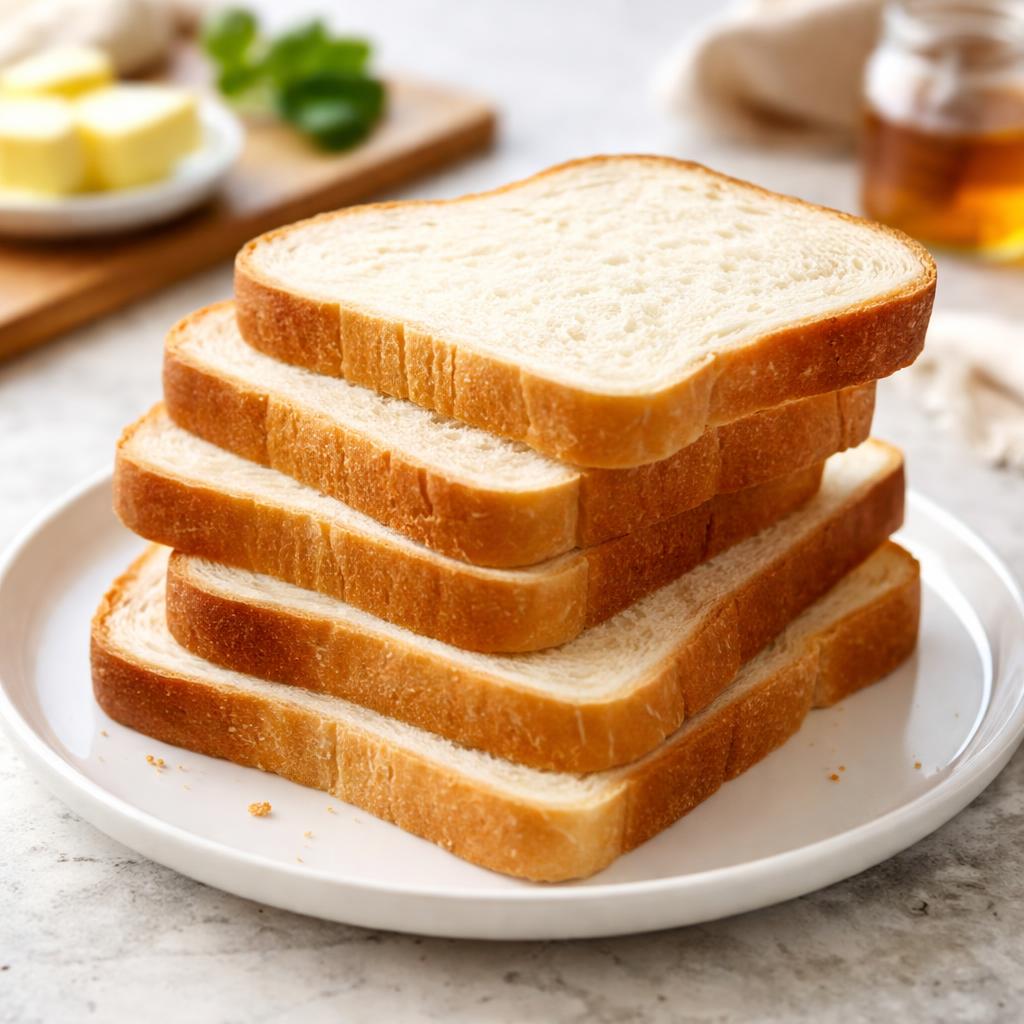
Sandwich Bread
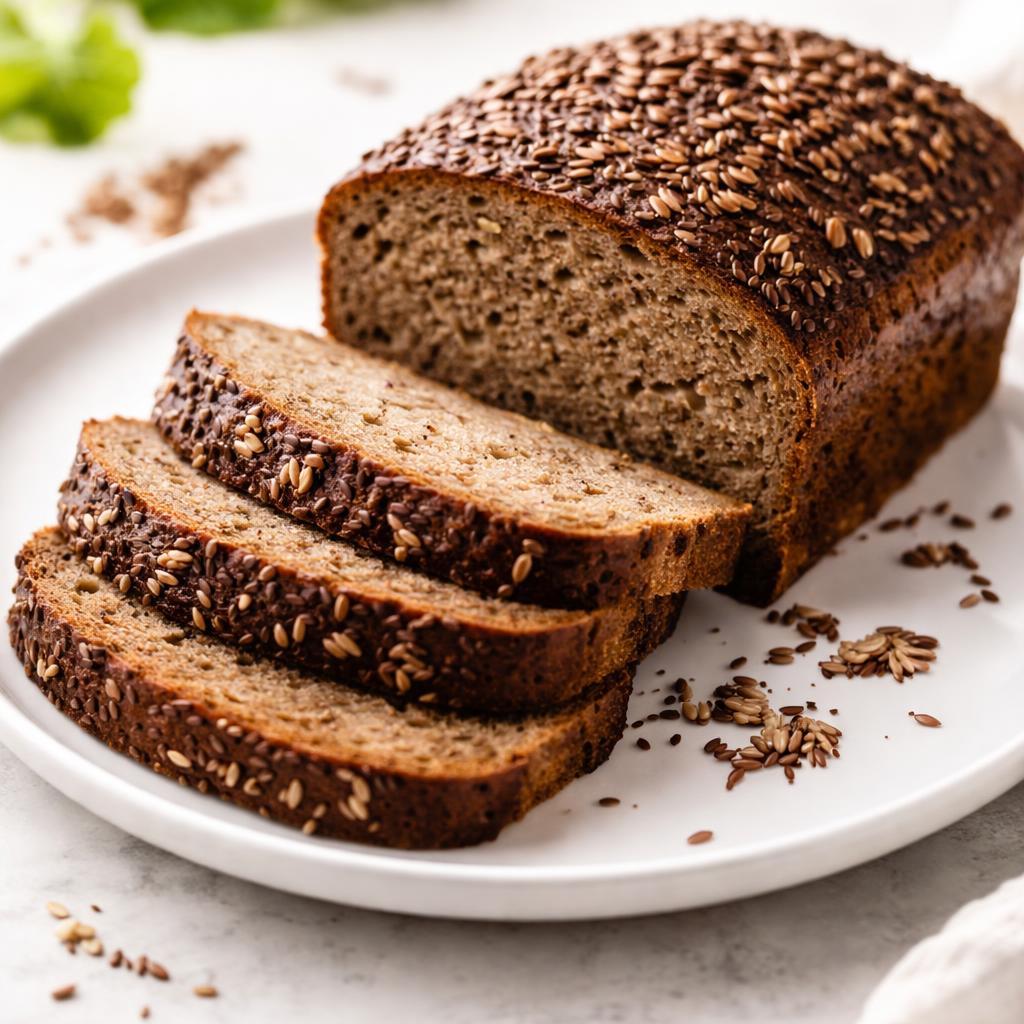
Rye Bread
🎯 Quick Verdict
Rye bread has fewer calories, more fiber, and slightly higher nutrient density compared to sandwich bread, making it a better choice for weight management and digestion. Sandwich bread is slightly softer and more versatile, suitable for general use but slightly less nutritious overall.

Smart Nutrition Tracking with SnapCalorie

📊 Nutritional Comparison
Macronutrients
| Nutrient | Food 1 | Food 2 | Winner |
|---|---|---|---|
| Calories | 80 per slice | 65 per slice | ✓ |
| Protein | 2.7g per slice | 2.7g per slice | − |
| Carbs | 15g per slice | 12g per slice | ✓ |
| Fat | 1g per slice | 0.9g per slice | ✓ |
| Fiber | 0.8g per slice | 1.8g per slice | ✓ |
Vitamins & Minerals
| Nutrient | Food 1 | Food 2 | Winner |
|---|---|---|---|
| Vitamin B1 (Thiamin) | 0.1mg | 0.15mg | ✓ |
| Iron | 0.6mg | 0.8mg | ✓ |
| Magnesium | 6mg | 20mg | ✓ |
🏆 Category Winners
Protein
Both foods contain similar protein values, approximately 2.7g per slice.
Fiber
Rye bread has over double the dietary fiber compared to sandwich bread.
Calories
Rye bread contains about 20% fewer calories per slice, helpful for calorie-conscious individuals.
🥗 Diet Compatibility
Keto
Food 1: Not Compatible
Food 2: Not Compatible
Both breads are high-carb and unsuitable for a keto diet.
Vegan
Food 1: Compatible
Food 2: Compatible
Both breads are free of animal products unless added ingredients include dairy.
Gluten Free
Food 1: Not Compatible
Food 2: Not Compatible
Both breads contain gluten.
Paleo
Food 1: Not Compatible
Food 2: Not Compatible
Processed grains like wheat and rye are not allowed in paleo diets.
Low-Carb
Food 1: Not Compatible
Food 2: Not Compatible
Neither bread qualifies as truly low-carb.
💪 Health Benefits Comparison
Food 1 Benefits
- Provides quick energy from simple carbohydrates
- Versatile for many meal types like sandwiches or toast
- Low fat for calorie-conscious individuals
Food 2 Benefits
- Rich in fiber for digestive health
- Lower glycemic index, which supports blood sugar control
- Higher in essential minerals like magnesium and iron
✅ The Bottom Line
If dietary fiber and weight management are priorities, rye bread is the better choice. For general versatility and softer texture in sandwiches or toast, sandwich bread is a solid option.
Choose Food 1 for: Versatility in meals, quick energy, low-fat diets
Choose Food 2 for: Digestive health, weight management, blood sugar support


