Sandwich Bread VS Keto Bread
A detailed nutritional comparison
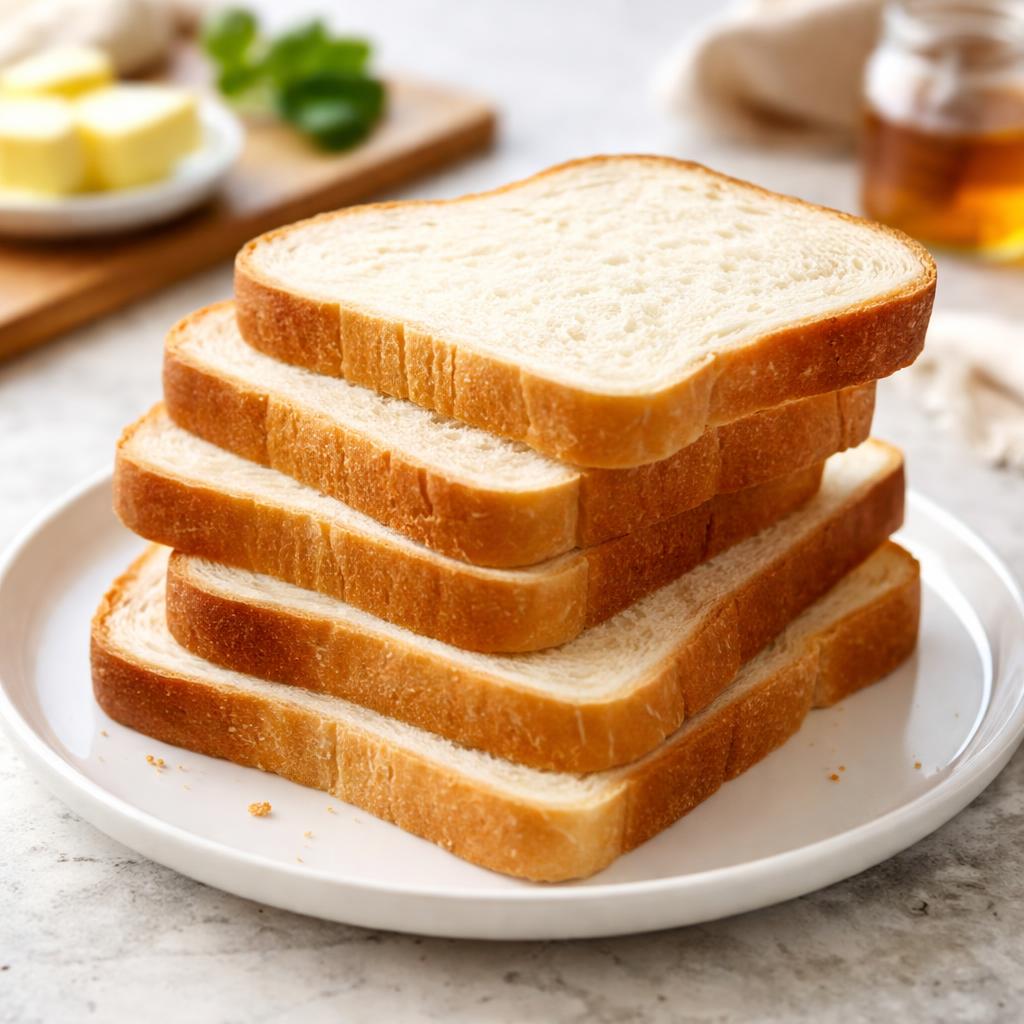
Sandwich Bread
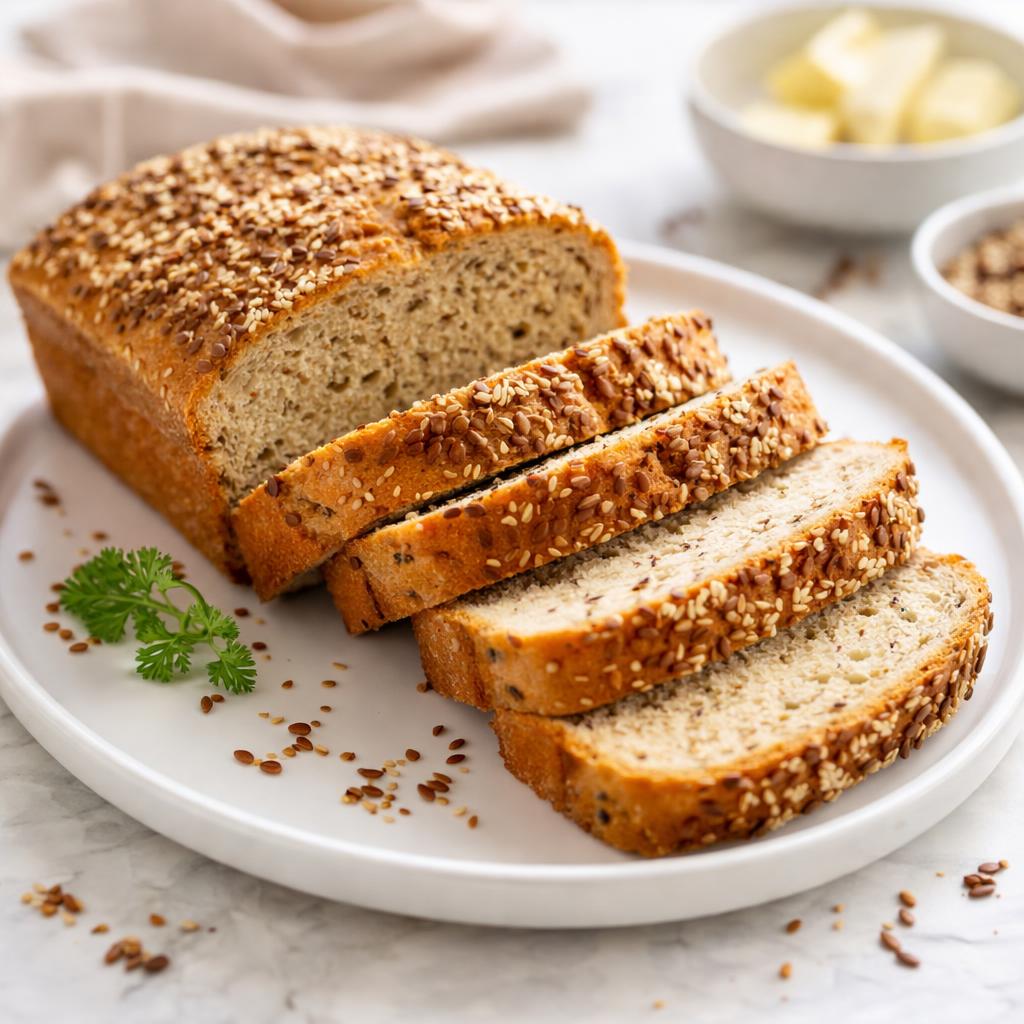
Keto Bread
🎯 Quick Verdict
Keto bread is nutritionally denser, offering higher protein and fiber content with significantly fewer calories and carbs compared to sandwich bread. Sandwich bread, however, may provide more energy for active or high-carb diets. Each has its strengths depending on dietary goals like weight loss or energy requirements.

Smart Nutrition Tracking with SnapCalorie

📊 Nutritional Comparison
Macronutrients
| Nutrient | Food 1 | Food 2 | Winner |
|---|---|---|---|
| Calories | 80 | 45 | − |
| Protein | 3g | 5g | − |
| Carbs | 15g | 2g | − |
| Fat | 1g | 3g | − |
| Fiber | 1g | 4g | − |
Vitamins & Minerals
| Nutrient | Food 1 | Food 2 | Winner |
|---|---|---|---|
| Vitamin D | 0mcg | 0mcg | − |
| Calcium | 25mg | 50mg | − |
| Iron | 0.5mg | 0.8mg | − |
🏆 Category Winners
Protein
Keto bread provides nearly 70% more protein per serving, making it ideal for muscle-building or high-protein diets.
Fiber
Keto bread contains 4x more fiber, greatly supporting digestive health.
Calories
Keto bread is lower-calorie, with almost half the calories of sandwich bread.
🥗 Diet Compatibility
Keto
Food 1: Not Compatible
Food 2: Compatible
Keto bread is low-carb and suitable for keto diets, whereas sandwich bread is too high in carbs.
Vegan
Food 1: Compatible
Food 2: Compatible
Both breads can be made vegan, depending on the recipe.
Gluten Free
Food 1: Not Compatible
Food 2: Potentially Compatible
Sandwich bread usually contains gluten, but keto breads are often available in gluten-free versions.
Paleo
Food 1: Not Compatible
Food 2: Potentially Compatible
Keto bread can sometimes meet paleo rules, but sandwich bread does not.
Low-Carb
Food 1: Not Compatible
Food 2: Compatible
Keto bread has only 2g of carbs per serving, ideal for low-carb diets, while sandwich bread is much higher (15g per serving).
💪 Health Benefits Comparison
Food 1 Benefits
- Provides energy for active lifestyles
- Supplemented with fortified nutrients in some versions
- Pairs well with various ingredients for versatility
Food 2 Benefits
- Higher protein promotes muscle maintenance
- Rich in fiber, aiding digestion
- Low-carb and low-calorie for weight management
✅ The Bottom Line
Keto bread is the clear choice for weight loss, low-carb, and health-conscious diets due to its better nutrient profile. Sandwich bread is better suited for high-energy needs or traditional diets.
Choose Food 1 for: Energy boost, general use, easy pairing with high-carb diets
Choose Food 2 for: Low-carb diets, digestive health, weight loss-friendly options


