Sandwich Bread VS Bread Toast
A detailed nutritional comparison
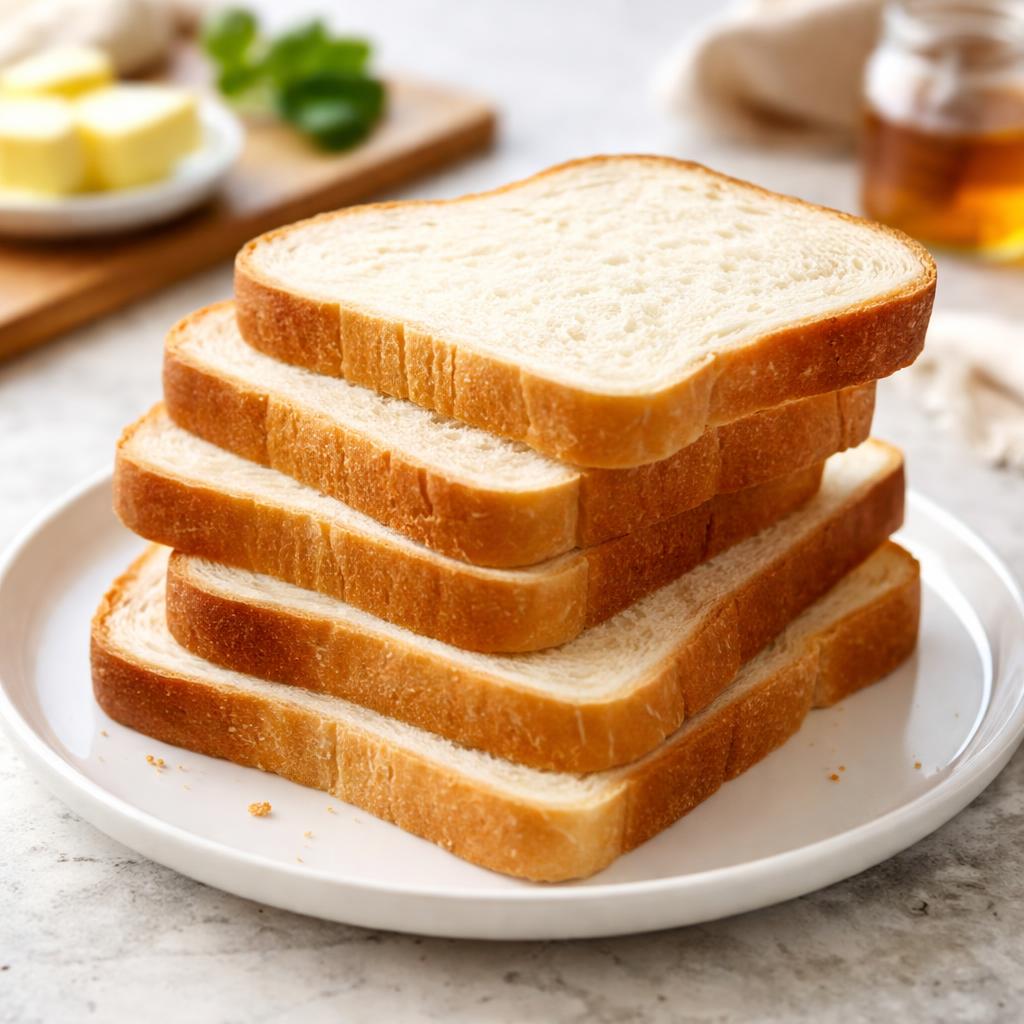
Sandwich Bread
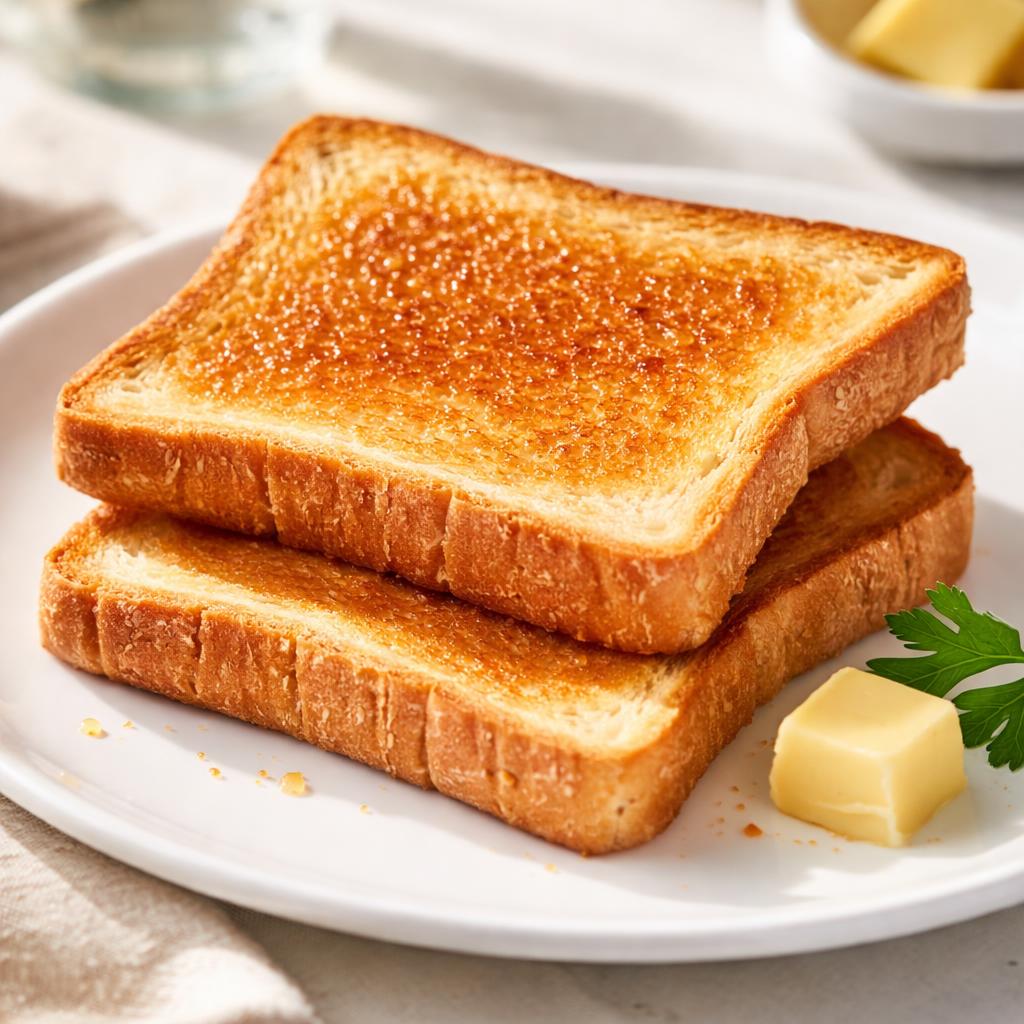
Bread Toast
🎯 Quick Verdict
Sandwich bread and bread toast are nutritionally very similar, as toast is simply bread that has been lightly browned. Toast may have slightly higher fiber due to enhanced Maillard reactions after heating, while other macronutrient values remain almost identical. Both options are versatile for everyday use, depending on your preference for texture and flavor profile.

Smart Nutrition Tracking with SnapCalorie

📊 Nutritional Comparison
Macronutrients
| Nutrient | Food 1 | Food 2 | Winner |
|---|---|---|---|
| Calories | 80 | 80 | − |
| Protein | 3g | 3g | − |
| Carbs | 15g | 15g | − |
| Fat | 1g | 1g | − |
| Fiber | 1g | 1.5g | ✓ |
Vitamins & Minerals
| Nutrient | Food 1 | Food 2 | Winner |
|---|---|---|---|
| Vitamin B1 (Thiamine) | 0.1mg | 0.1mg | − |
| Vitamin B2 (Riboflavin) | 0.05mg | 0.05mg | − |
| Iron | 0.7mg | 0.7mg | − |
🏆 Category Winners
Protein
Both have equal protein content of 3g per serving.
Fiber
Toast has 50% more fiber due to slight changes in structure from toasting.
Calories
Calories remain identical at 80 per slice for both bread and toast.
Vitamins
No significant differences in vitamin values between the two options.
🥗 Diet Compatibility
Keto
Food 1: Not Compatible
Food 2: Not Compatible
Both are high in carbohydrates.
Vegan
Food 1: Compatible
Food 2: Compatible
Both are plant-based with no animal-derived ingredients.
Gluten Free
Food 1: Not Compatible
Food 2: Not Compatible
Both contain gluten unless specified as gluten-free bread.
Paleo
Food 1: Not Compatible
Food 2: Not Compatible
Standard bread is not paleo-friendly due to grains being used.
Low-Carb
Food 1: Not Compatible
Food 2: Not Compatible
Both contain 15g of carbohydrates per serving, which exceeds most low-carb guidelines.
💪 Health Benefits Comparison
Food 1 Benefits
- Convenient source of carbohydrates for energy
- Contains small amounts of protein for tissue repair
- Fortified with B vitamins (if using enriched bread)
Food 2 Benefits
- Enhanced fiber content for better digestion
- Crunchy texture may promote slower eating, aiding portion control
- Similar nutrient profile with additional antioxidants from toasting process
✅ The Bottom Line
Sandwich bread and bread toast are nutritionally interchangeable, but toast has slightly higher fiber and offers a crunchier texture that may improve meal satisfaction. Choose based on personal preference for how you want your bread prepared.
Choose Food 1 for: Soft sandwiches, easy meal prep
Choose Food 2 for: Toast-based breakfasts, added fiber, better texture


